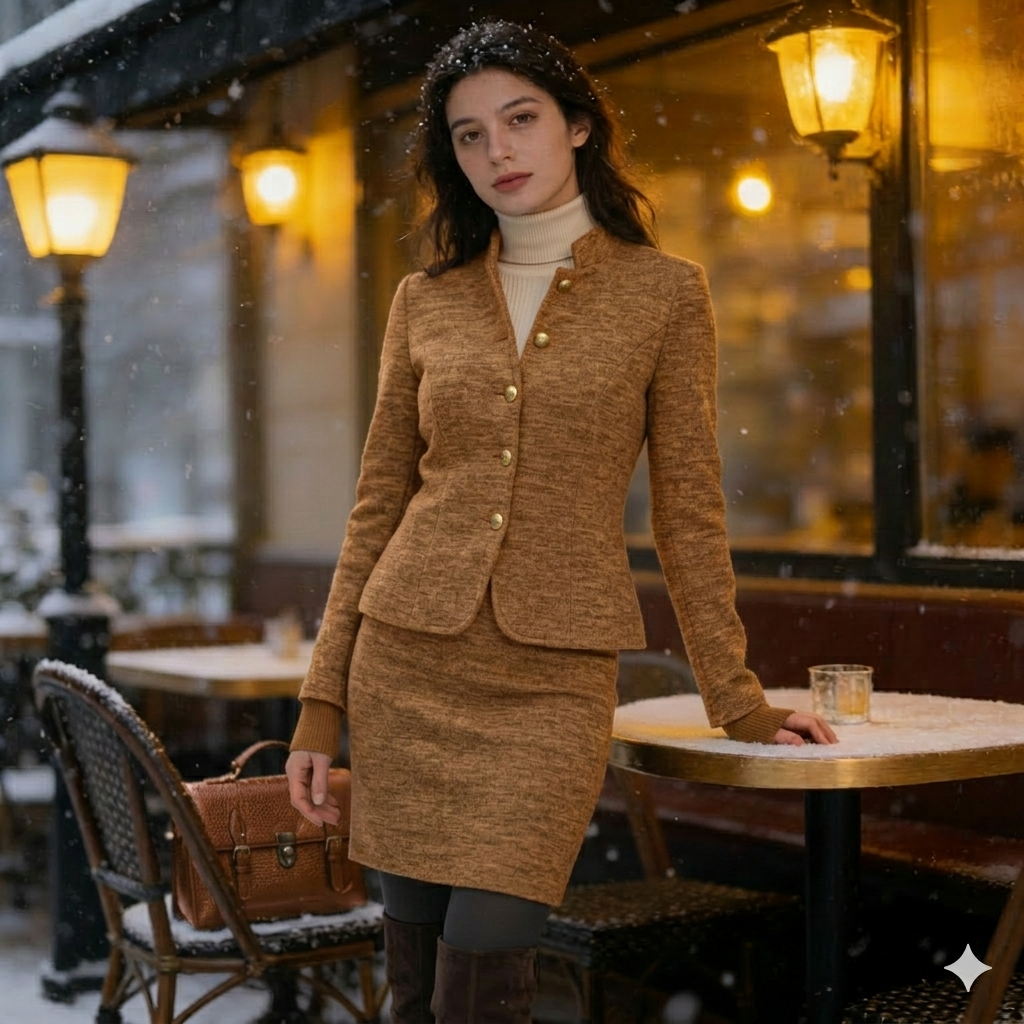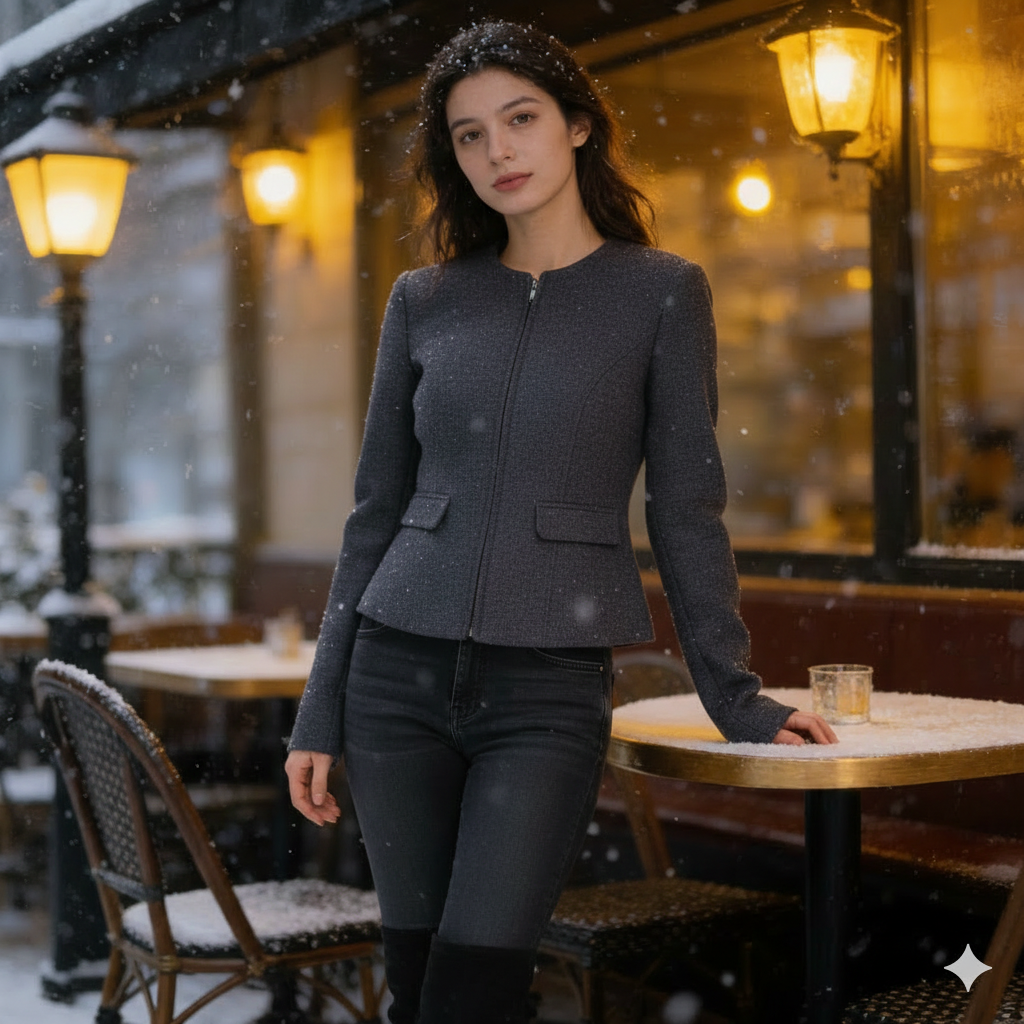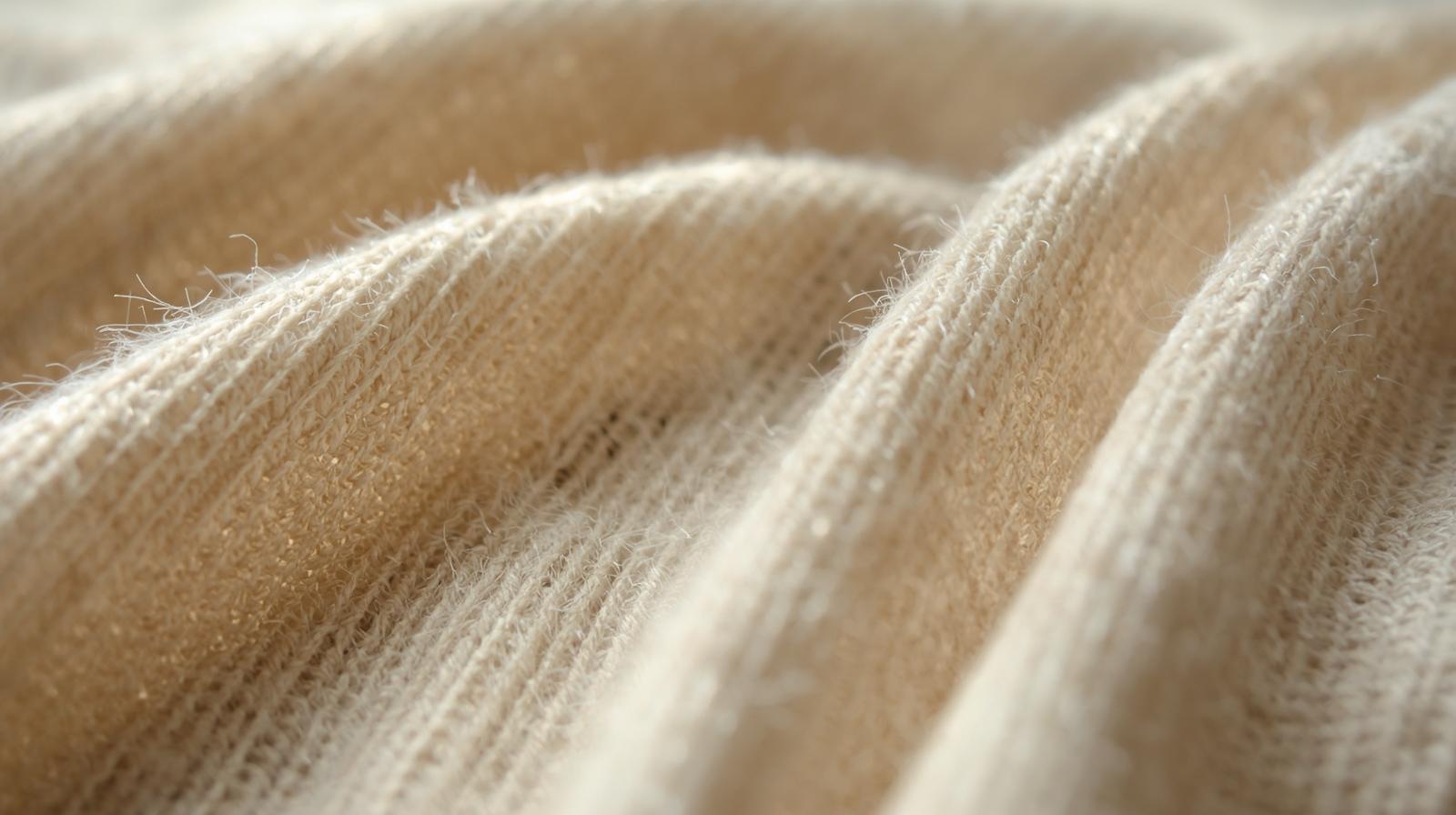
Thermal Knit Fabric for Winter Wear Built for Warmth Retention and Long-Term Use
Winter Garments Fail When Warmth Is Not Controlled
Winter wear is judged less by appearance and more by how well it protects the wearer over time.
A fabric that feels warm in a showroom may quickly lose effectiveness after repeated wear, washing and exposure to cold, wind and moisture.
For winter garments, thermal performance must be structural, not superficial.
This is why thermal knit fabric for winter wear is selected not only for softness, but for how it manages air, density and recovery across the garment lifecycle.
At Succeed Textile, thermal knits are developed to perform through entire winter seasons, not just first impressions.
How Thermal Knit Fabrics Retain Heat in Real Use
Thermal insulation in knit fabrics depends on the ability to trap still air while limiting heat loss caused by compression and movement.
Effective thermal knits achieve this through:
-
Dense loop construction that creates internal air pockets
-
Controlled thickness that resists collapse under pressure
-
Balanced elasticity to prevent fabric thinning during wear
-
Surface finishes that reduce convective heat loss
Unlike woven insulation layers, knit fabrics must maintain these properties while stretching and recovering repeatedly.
Knit Structures That Perform Best in Cold Conditions
Not all knit structures deliver stable warmth.
Thermal knit fabrics commonly used for winter wear include:
-
Fleece knits, where brushed inner loops enhance insulation
-
Double knits, offering thickness with shape stability
-
Interlock knits, delivering smooth surfaces and balanced density
-
Bonded knit constructions, combining warmth with wind resistance
Each structure responds differently to compression, laundering and prolonged wear.
Weight and Density: Warmth Without Excess Bulk
In winter wear, heavier does not automatically mean warmer.
Overly heavy fabrics often restrict movement and fatigue the wearer, while insufficient density leads to rapid heat loss.
Well-engineered thermal knits typically operate within a 260–420 GSM range, depending on garment type.
Within this range, warmth is achieved by density and loop structure, not just material mass.
This balance is essential for winter garments intended for daily use rather than extreme cold exposure.
Comfort and Skin Contact in Cold Environments
Thermal knit fabrics remain in close contact with the body, often layered with other garments.
Poorly designed fabrics can cause overheating, clamminess or irritation.
Effective thermal knits support comfort by:
-
Allowing limited moisture escape without cooling shock
-
Maintaining softness even after repeated washing
-
Avoiding stiffness that restricts movement
-
Retaining hand feel despite seasonal wear
These characteristics are critical in winter apparel worn for long periods indoors and outdoors.
Production Stability in Winter Wear Manufacturing
Winter garments often involve thicker fabrics, increasing the risk of production issues such as uneven seams, cutting inaccuracies and inconsistent sizing.
At Succeed Textile, thermal knit fabrics are developed with production flow in mind:
-
Pre-setting processes stabilize thickness and width
-
Knitting tension is adjusted to minimize torque
-
Surface finishing is controlled to prevent fiber breakage
-
Shrinkage behavior is aligned before bulk cutting
This approach reduces factory-level rework and supports repeat seasonal orders.
Where Thermal Knit Fabrics Are Most Effective
Thermal knit fabrics are widely used across winter apparel categories where warmth and flexibility must coexist.
They are particularly suited for:
-
Winter hoodies and sweatshirts
-
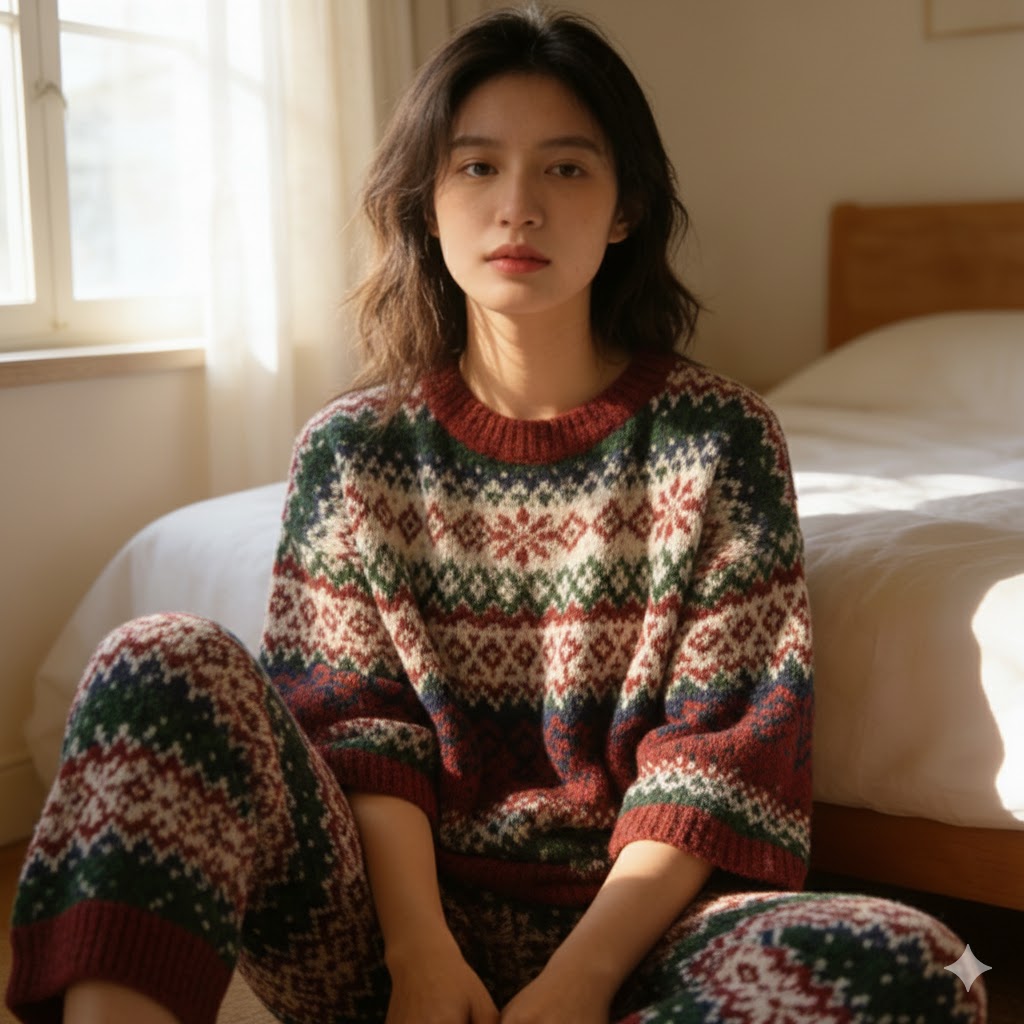
Cold-weather loungewear and homewear
-
Layering garments worn under outerwear
-
Casual winter jackets with knit structure
-
Workwear-inspired winter apparel
A single thermal knit platform can often support multiple winter styles when engineered correctly.
Buyer Questions That Shape Winter Fabric Decisions
Will the fabric lose warmth after washing?
Only if loop structure collapses. Stable thermal knits retain insulation over time.
Is fleece always the warmest knit option?
Not necessarily. Dense double knits or bonded knits can provide comparable warmth with better shape retention.
Can thermal knits be used for active winter wear?
Yes, when elasticity and moisture behavior are properly balanced.
Does thicker fabric slow production?
Only if fabric stability is poor. Well-controlled thermal knits sew efficiently.
Thermal Knits Designed for Winter Reality
Winter wear succeeds when fabrics maintain warmth, structure and comfort across months of use.
Thermal knit fabric for winter wear provides this balance by combining insulation with flexibility and production stability.
At Succeed Textile, thermal knits are developed for brands building reliable winter programs, not short-lived seasonal items.
Explore our winter-ready knit fabrics on the
👉 homepage
or discuss thermal fabric specifications and bulk development via our
👉 contact page