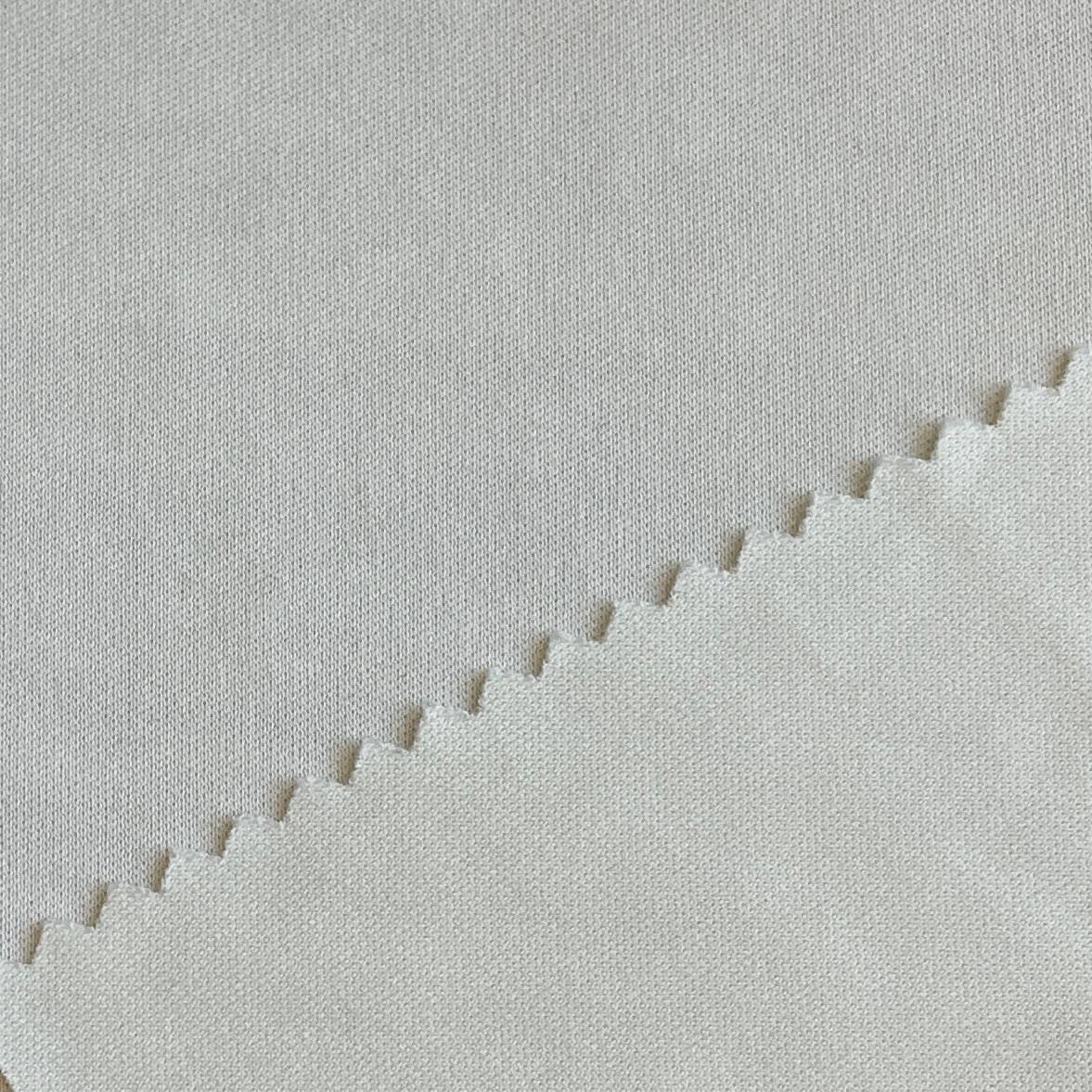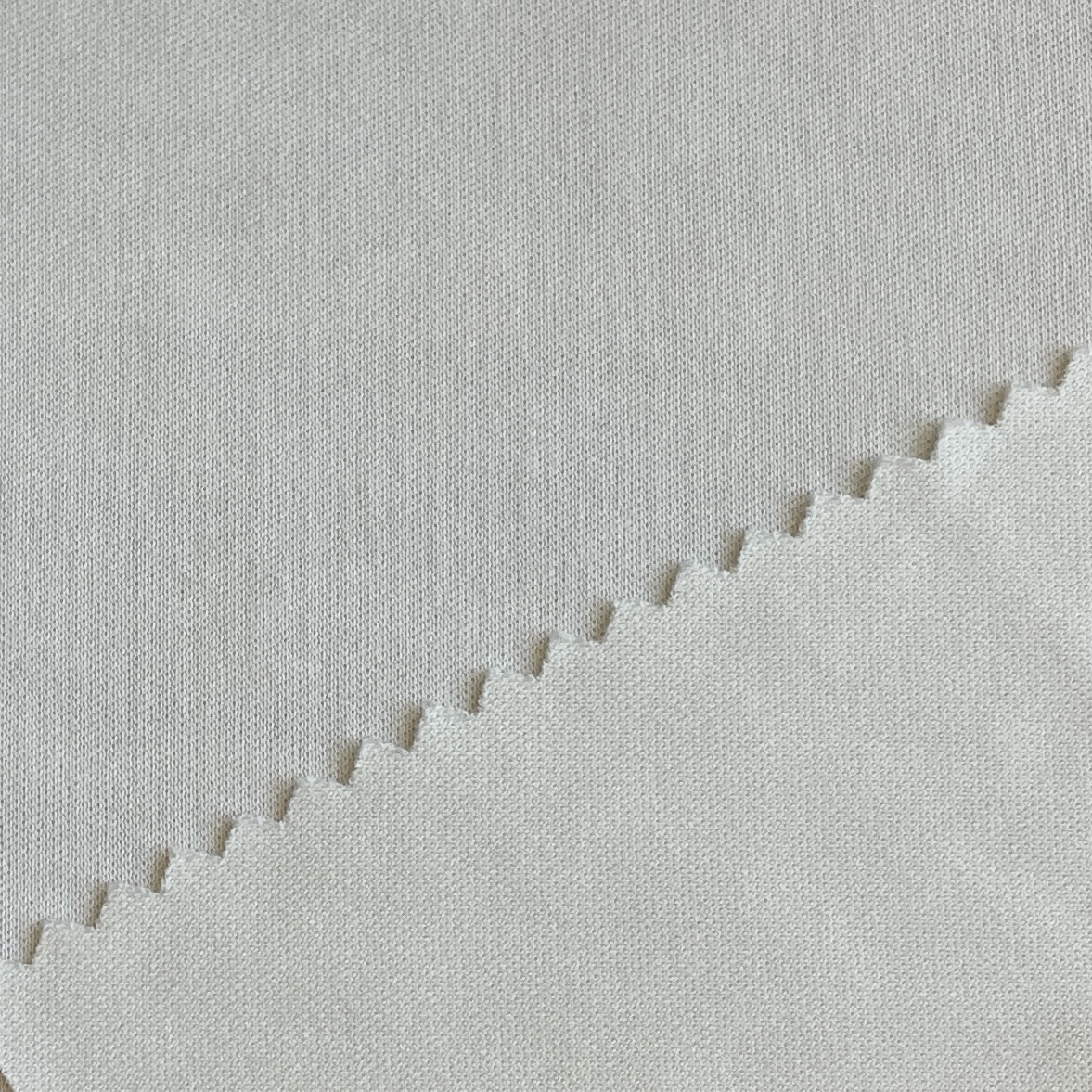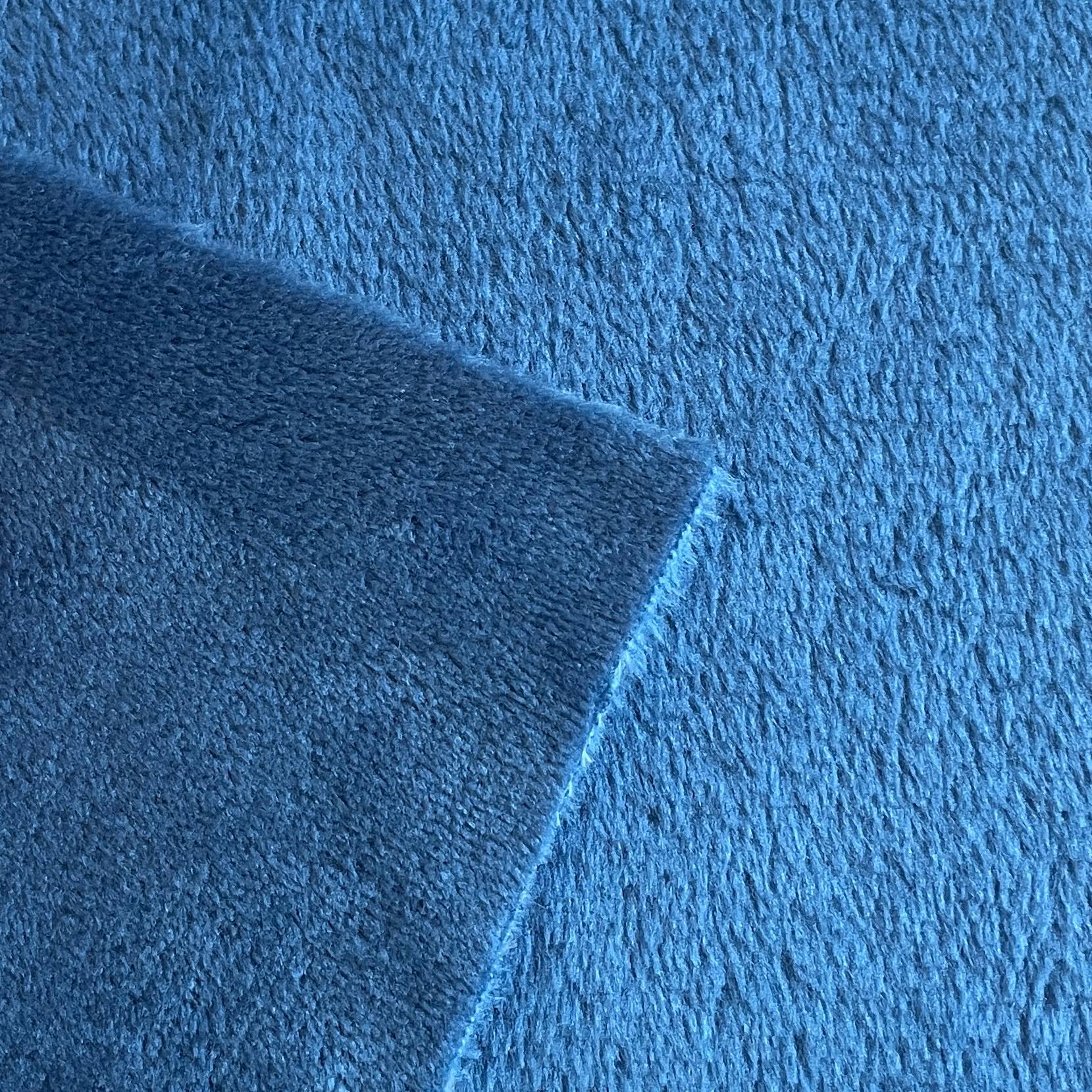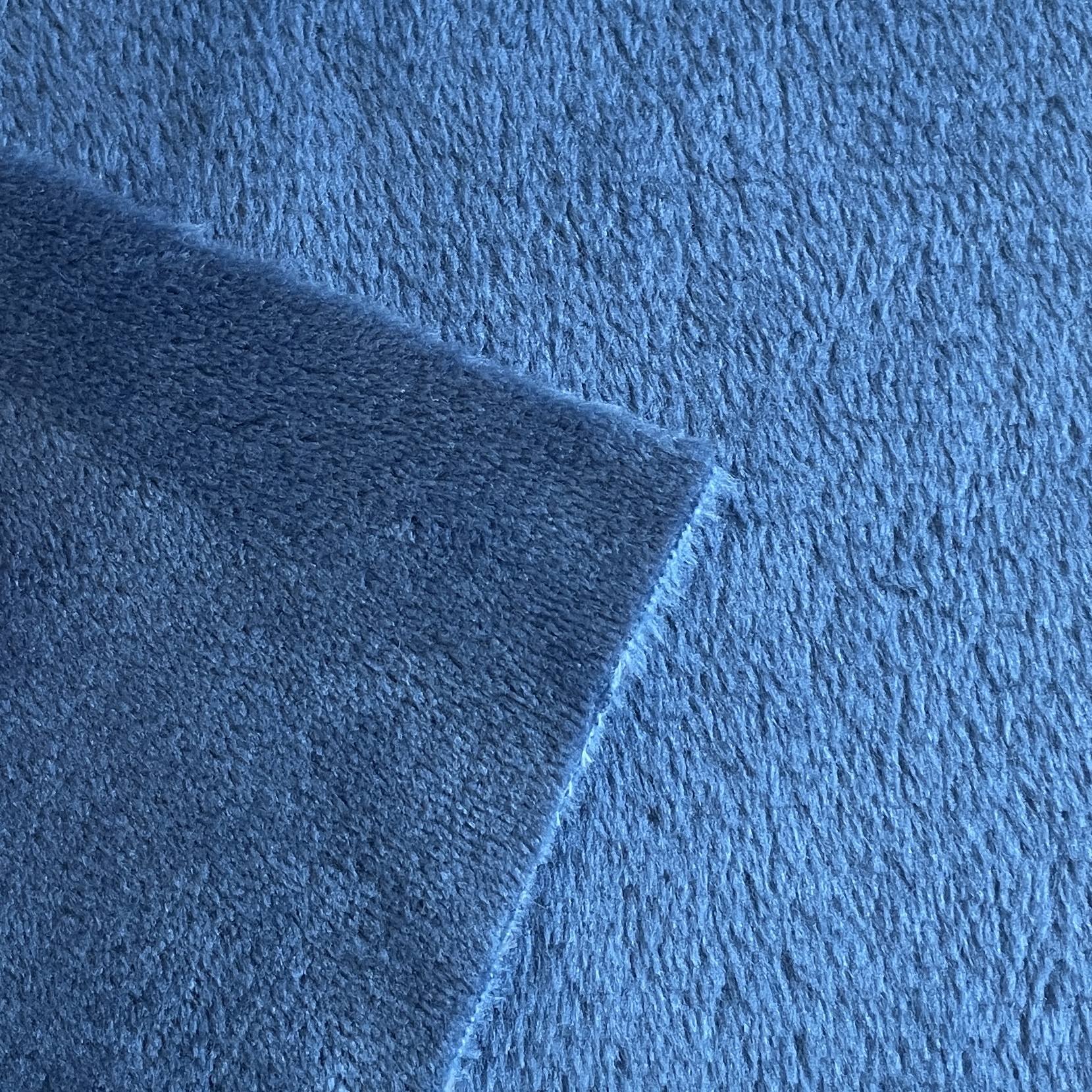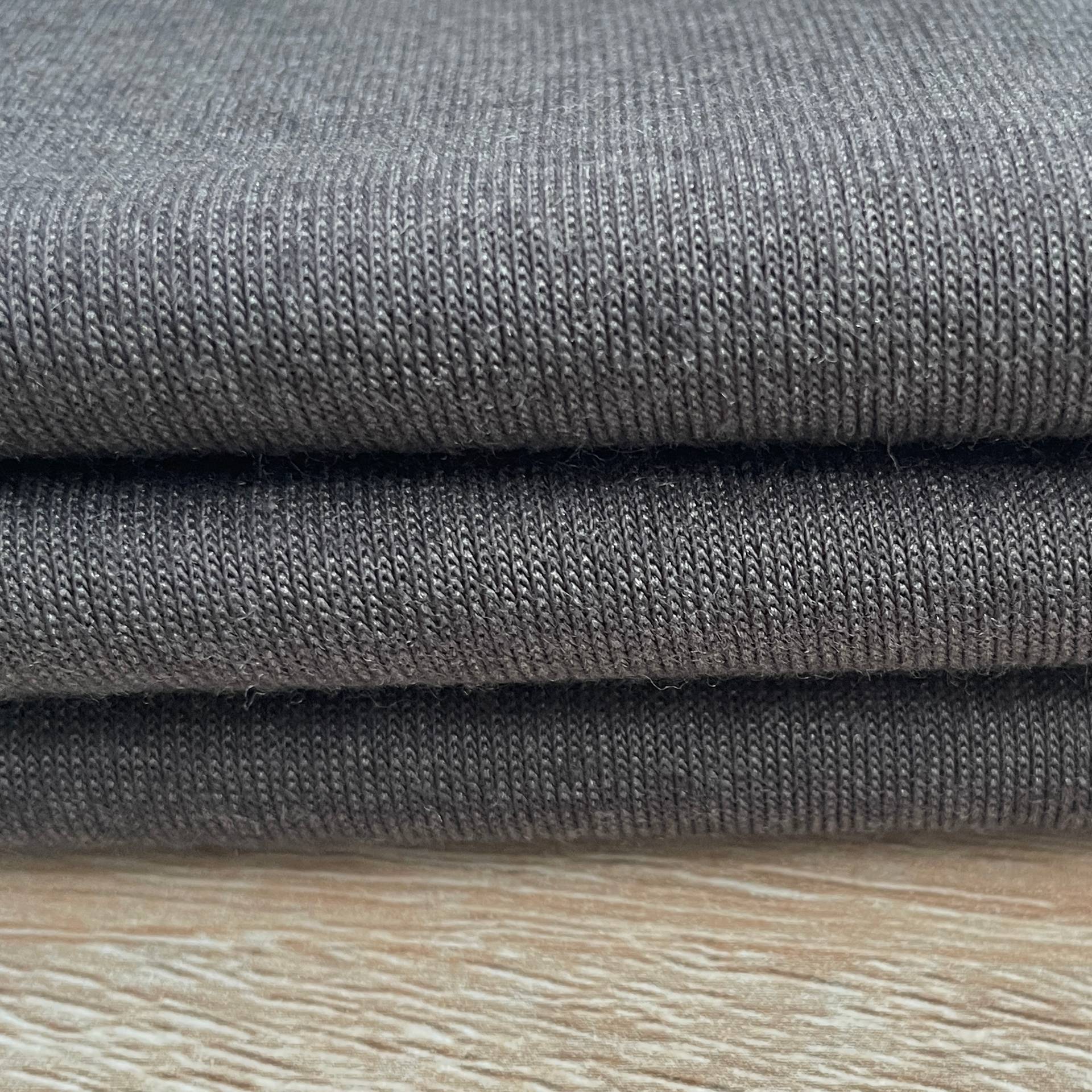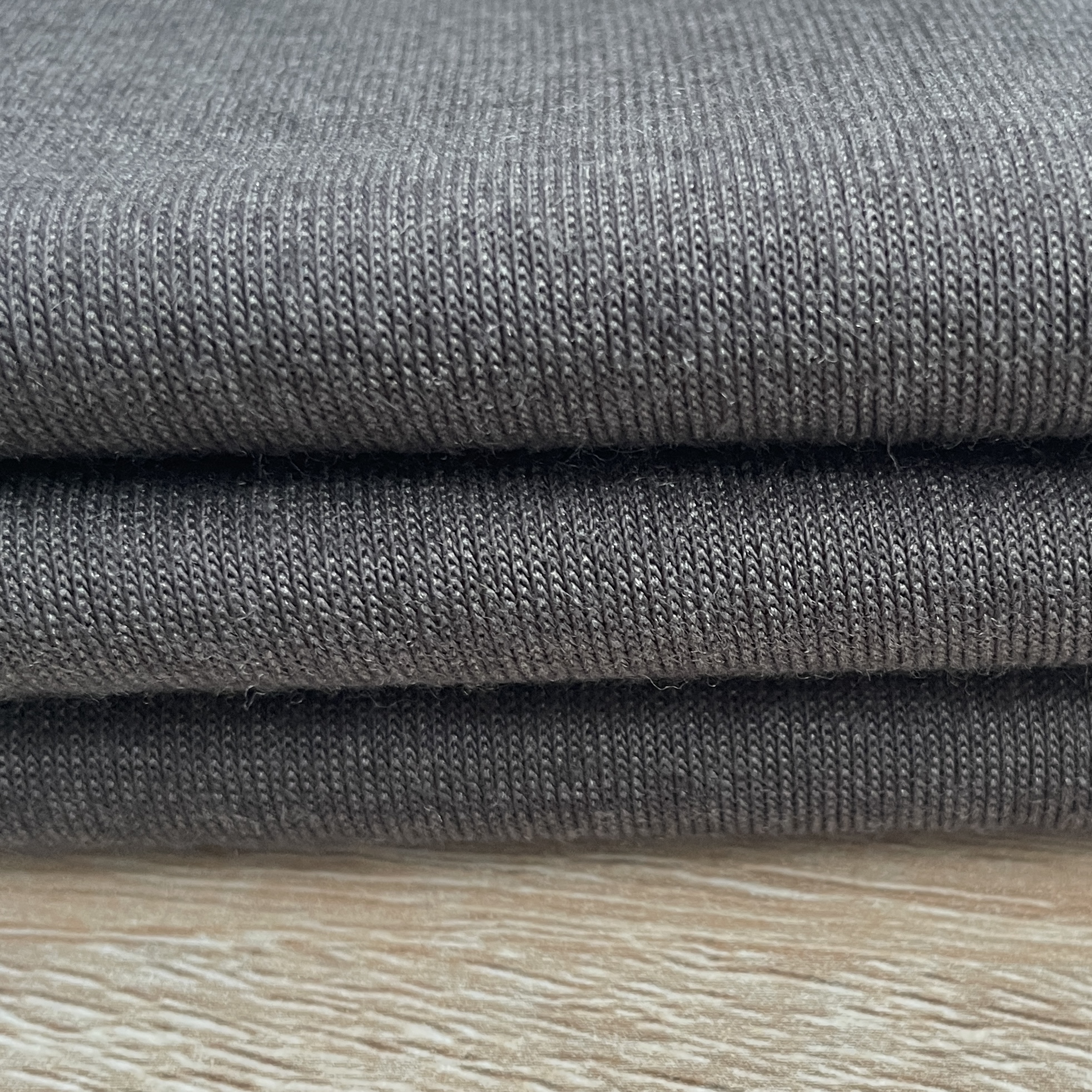
Discover the versatility and superior quality of interlock fabric, a textile innovation that has revolutionized the world of clothing and design. This double-knitted fabric, known for its smooth, stretchy, and durable properties, offers an ideal foundation for creating comfortable and stylish garments. Whether you're a designer seeking premium materials or a consumer looking for everyday wear, interlock fabric stands out for its ability to combine functionality with aesthetic appeal. In this article, we'll explore its key features, applications, and why it's a top choice among interlock fabric suppliers and manufacturers.
Delving into the specifics of interlock knit, this fabric type is created through a specialized knitting process that interlocks stitches on both sides, resulting in a plush, non-curling edge that's perfect for hems and seams. Interlock knit provides exceptional softness against the skin, making it a favorite for items like baby clothes, t-shirts, and loungewear. Its natural elasticity ensures freedom of movement without sagging, and it's often made from cotton or blends for breathability. For those in the industry, interlock fabric for clothing represents reliability—it's machine-washable, retains shape after multiple uses, and resists pilling, ensuring longevity in wardrobes.
When sourcing materials, partnering with reputable interlock fabric suppliers is crucial for quality assurance. These suppliers offer a range of weights and colors, from lightweight options for summer dresses to heavier variants for winter knits. Interlock fabric manufacture involves advanced machinery that guarantees consistency, allowing for custom dyeing and finishing to meet specific design needs. Moreover, interlock fabric sampling is an essential step; it enables creators to test drape, colorfastness, and feel before full production. By requesting samples, you can evaluate how the fabric performs in real-world scenarios, such as under stress or after laundering, minimizing risks in your projects.
The applications of interlock fabric extend far beyond basics, inspiring creativity in fashion. For interlock fabric for clothing, it's widely used in activewear due to its moisture-wicking capabilities when blended with synthetics, or in formal attire for its subtle sheen. Designers appreciate how interlock knit enhances silhouettes, providing a polished look that's easy to work with. In the realm of sustainable fashion, many interlock fabric suppliers now offer eco-friendly versions made from organic fibers, aligning with global trends toward responsible production. This makes interlock fabric manufacture not just about efficiency but also about ethical practices, reducing environmental impact while delivering high performance.
To fully leverage interlock fabric, consider the sampling process as a gateway to innovation. Interlock fabric sampling allows for experimentation—test different blends for sportswear or pure cotton for sensitive skin. Leading interlock fabric suppliers provide detailed specs, including GSM (grams per square meter) ratings that indicate thickness and durability. For instance, a 180 GSM interlock knit is lightweight yet robust for casual tops, while 220 GSM suits structured pieces. By understanding these nuances, you can select the perfect interlock fabric for clothing that meets both style and functional demands.
In conclusion, interlock fabric embodies the perfect marriage of comfort, durability, and versatility, making it indispensable in modern textiles. From interlock knit basics to advanced interlock fabric manufacture, this material empowers creators to craft enduring pieces. Whether you're exploring options from trusted interlock fabric suppliers or initiating interlock fabric sampling for your next collection, embracing this fabric opens doors to endless possibilities in fashion. With its timeless appeal and practical benefits, interlock fabric continues to set the standard for quality clothing essentials, inviting you to experience its transformative potential today.
Loading...