When Softness Alone No Longer Meets Garment Requirements
Many cold-season garments begin with flannel because of its familiar surface comfort and warmth. That choice works well for casual shirts or light layering pieces. Problems start when garments are expected to carry more responsibility—holding shape, supporting weight, and performing through repeated wear and washing cycles.
In coats, overshirts, lined jackets and structured winter pieces, traditional single-layer flannel often shows limits. Panels lose alignment, silhouettes soften unintentionally, and insulation becomes uneven after laundering. To address these issues without abandoning the comfort consumers expect, layered constructions are introduced. Bonded flannel is selected in these cases to answer a specific question: how to keep warmth and softness while adding dependable garment structure.
At Succeed Textile, this material category is developed for programs where garments must perform beyond initial appearance and maintain consistency throughout a season.
How Layered Construction Solves Real Wear Problems
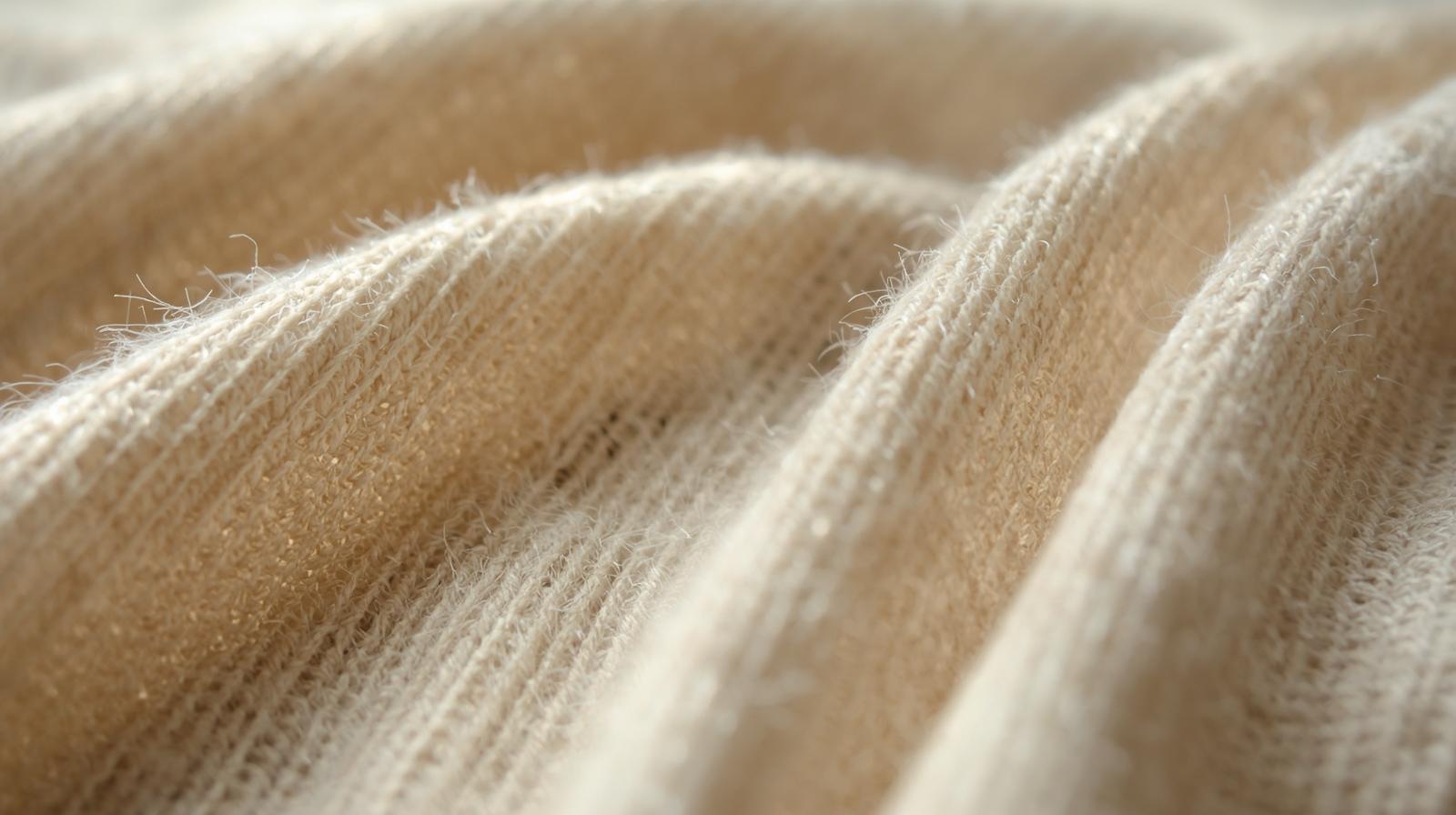
The performance of layered flannel fabrics is determined by interaction between the brushed face and the supporting layer beneath it. The surface layer contributes warmth and tactile appeal, while the bonded backing manages movement, weight and repeated stress.
This construction directly solves several common garment issues:
-
It reduces shape loss in large panels such as backs and fronts
-
It limits stretching and sagging caused by pocket weight or lining
-
It helps garments recover after folding, packing and wearing
-
It keeps insulation distribution more uniform across the body
Without reliable adhesion and alignment between layers, these benefits disappear. That is why bonding quality matters more than visual thickness in bulk programs.
Warmth Retention Relies on Loft Recovery, Not Bulk
Garment warmth is often judged by thickness at first touch, yet long-term insulation depends on whether surface fibers can recover after compression. When brushed fibers flatten permanently, trapped air is lost and garments feel colder even if fabric weight remains unchanged.
Layered flannel fabrics developed for extended use maintain warmth because they:
-
Support surface fibers with a stable backing layer
-
Reduce permanent compression during sitting or movement
-
Maintain loft in high-contact areas such as elbows and shoulders
-
Deliver more consistent insulation after multiple wash cycles
This behavior is particularly important in garments worn daily or used outdoors, where uneven warmth is immediately noticeable.
What Changes in Production at Scale
Layered fabrics behave differently from single-layer materials during cutting, sewing and pressing. Weight distribution, dimensional stability and adhesive performance all influence production efficiency.
In large-volume programs using bonded flannel, stability is achieved through:
-
Bond strength calibrated to withstand cutting and seam tension
-
Alignment between surface and backing layers to prevent skew
-
Fabric weight consistency typically controlled within ±5%
-
Pre-relaxation to minimize movement during bulk cutting
These controls help manufacturers maintain size accuracy, reduce fabric waste and avoid delays caused by rework or garment rejection.
Performance Behavior Observed After Repeated Use
| Indicator | After 5 Washes | After 10 Washes | After 20 Washes |
|---|---|---|---|
| Loft retention | 93–96% | 88–92% | 78–85% |
| Thickness change | 2–4% | 5–8% | 10–15% |
| Layer adhesion | Stable | Minor edge stress | Localized wear |
| Surface hand feel | Slight change | Noticeable | Moderate |
These reference values reflect internal evaluation practices used to judge suitability for repeat apparel programs, showing how layered construction influences durability over time.
Practical Questions from Apparel Buyers
Q: How does layered flannel compare to heavier single-layer flannel?
A: Added backing support improves shape retention without relying solely on weight.
Q: Does bonding affect comfort during wear?
A: When properly managed, surface softness remains while structure improves.
Q: Is this fabric appropriate for outerwear programs?
A: It is widely applied in coats, overshirts and cold-weather uniforms.
Q: Can seasonal programs be repeated reliably?
A: Yes, when base fabrics and bonding parameters remain consistent.
In these applications, bonded flannel is chosen not to change how a garment feels at first touch, but to improve how it performs over time.
Layered Flannel for Long-Term Apparel Programs
Layered flannel fabrics succeed when warmth, comfort and garment shape remain stable after repeated wear and washing. A well-managed bonded flannel program helps brands reduce quality drift, maintain visual consistency and support scalable production across seasons.
At Succeed Textile, this category is developed to serve structured cold-weather apparel lines that demand reliable performance beyond short-term trends.
You can explore our fabric categories and layered material capabilities on our
👉 homepage
For bulk sourcing discussions, garment-specific requirements or layered fabric planning, connect with our team via the
👉 contact page