When Consistency Becomes More Important Than Fiber Preference
In many apparel programs, fabric selection starts with fiber discussions—natural versus synthetic, comfort versus durability. In real production environments, however, decisions are rarely that simple. Brands operating at scale face a different priority: consistency. Fit stability, color repeatability and predictable performance across thousands of garments often outweigh subjective fiber preferences.
This is where 100% polyester fabric is selected deliberately. Not as a default option, but as a solution to challenges that arise when garments must perform uniformly across repeated wear, washing and large production runs. At Succeed Textile, polyester-based programs are developed for apparel lines where reliability, durability and control matter more than initial perception.
Structural Control Defines How Polyester Performs
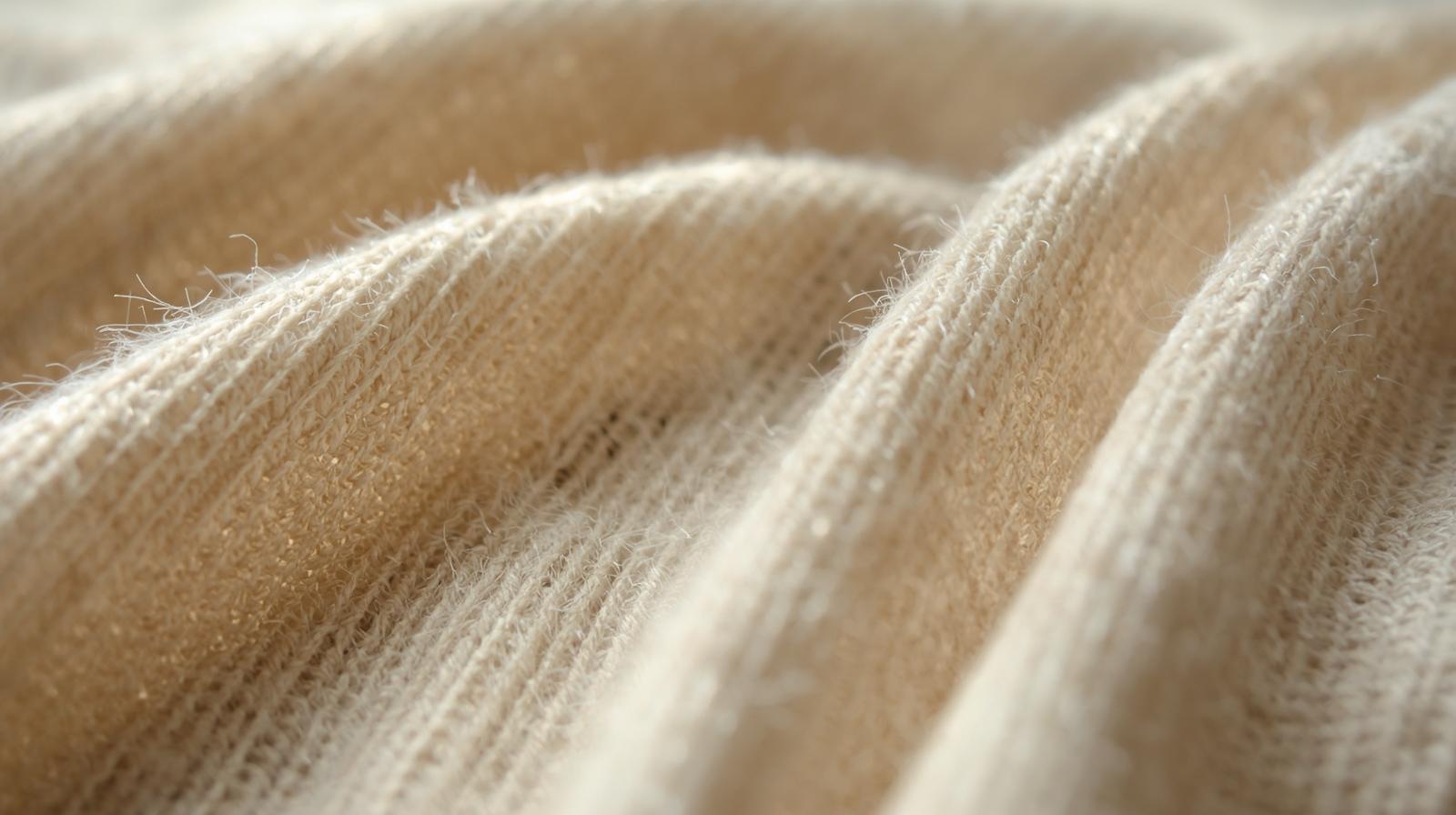
Polyester as a fiber offers inherent advantages, but final performance is determined by fabric structure rather than fiber content alone. Knit or woven construction, yarn type and finishing processes all influence how the material behaves in daily use.
Well-developed polyester fabrics typically deliver:
-
Dimensional stability that limits shrinkage and distortion
-
Consistent surface appearance after laundering
-
Predictable interaction with garment construction
-
Resistance to deformation under repeated stress
When these elements are not aligned, garments may still meet basic specifications but fail to maintain appearance or fit over time. Structural control is therefore the core factor separating commodity polyester from production-ready material.
Durability Across Wear and Washing Cycles
Garments made from polyester are often expected to withstand frequent use. Uniforms, workwear, active layers and casual daily apparel all demand materials that hold up under repeated laundering.
Polyester fabrics developed for long-term programs show clear advantages:
-
Reduced fiber breakdown compared to blended alternatives
-
Lower risk of permanent deformation after washing
-
Stable color performance across dye lots
-
Consistent hand feel over extended wear cycles
These characteristics help brands reduce post-sale complaints related to shape loss or premature aging, particularly in high-frequency use garments.
Production Stability in Large-Volume Manufacturing
One of the primary reasons brands choose 100% polyester fabric is production control. Compared to many natural fibers, polyester offers greater predictability during cutting, sewing and finishing.
In bulk manufacturing environments, polyester fabrics support:
-
Controlled shrinkage behavior during washing and finishing
-
Reduced width variation between rolls
-
More consistent weight control, often within ±4–6%
-
Lower sensitivity to humidity changes during storage and cutting
At Succeed Textile, polyester fabric programs are developed with these production realities in mind, allowing manufacturers to maintain efficiency while minimizing waste and rework.
Performance Behavior Observed Over Time
| Indicator | After 5 Washes | After 10 Washes | After 20 Washes |
|---|---|---|---|
| Dimensional change | ≤2% | 3–4% | 5–6% |
| Color consistency | Stable | Minor change | Acceptable variation |
| Surface wear | Minimal | Slight | Moderate |
| Hand feel change | Slight | Noticeable | Stable |
These reference values reflect internal evaluation methods commonly used to assess polyester fabric suitability for repeat production programs.
Practical Questions from Apparel Buyers
Q: Does polyester always feel less comfortable than natural fibers?
A: Comfort depends heavily on structure and finishing rather than fiber alone.
Q: Why is polyester often chosen for uniforms and workwear?
A: Stability, durability and repeatability across large orders reduce long-term risk.
Q: Can polyester fabrics support fashion-driven designs?
A: Yes, when surface treatments and structures are selected appropriately.
Q: Are repeat seasonal orders reliable with polyester fabrics?
A: Consistency across batches makes them well suited for long-term programs.
Polyester Fabrics Designed for Long-Term Apparel Programs
Polyester fabrics succeed when they deliver stability, durability and predictable performance across repeated use and production cycles. A well-managed 100% polyester fabric program allows brands to scale apparel lines without sacrificing consistency.
At Succeed Textile, polyester fabrics are developed to support apparel programs where reliability and control are critical to success.
You can explore our fabric categories and material capabilities on our
👉 homepage
For bulk sourcing discussions, performance alignment or polyester fabric planning, connect with our team via the
👉 contact page