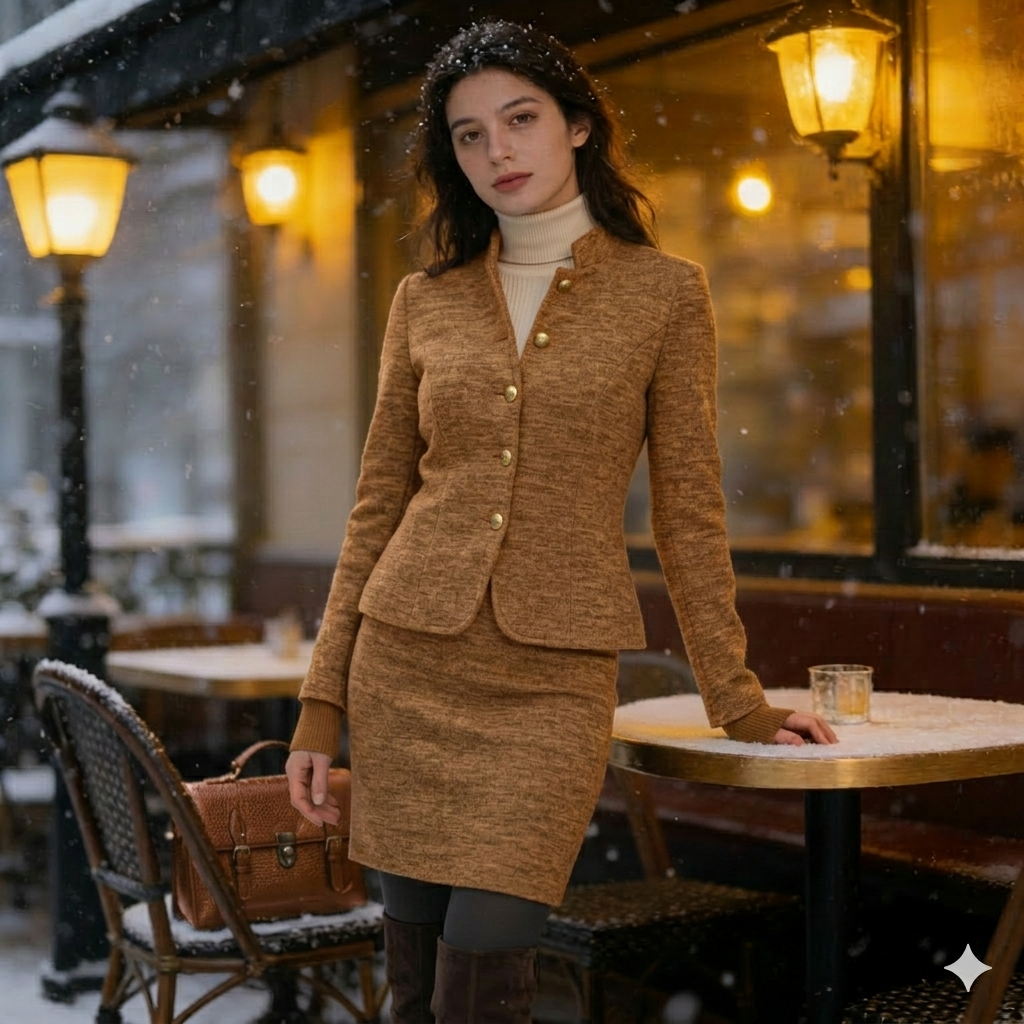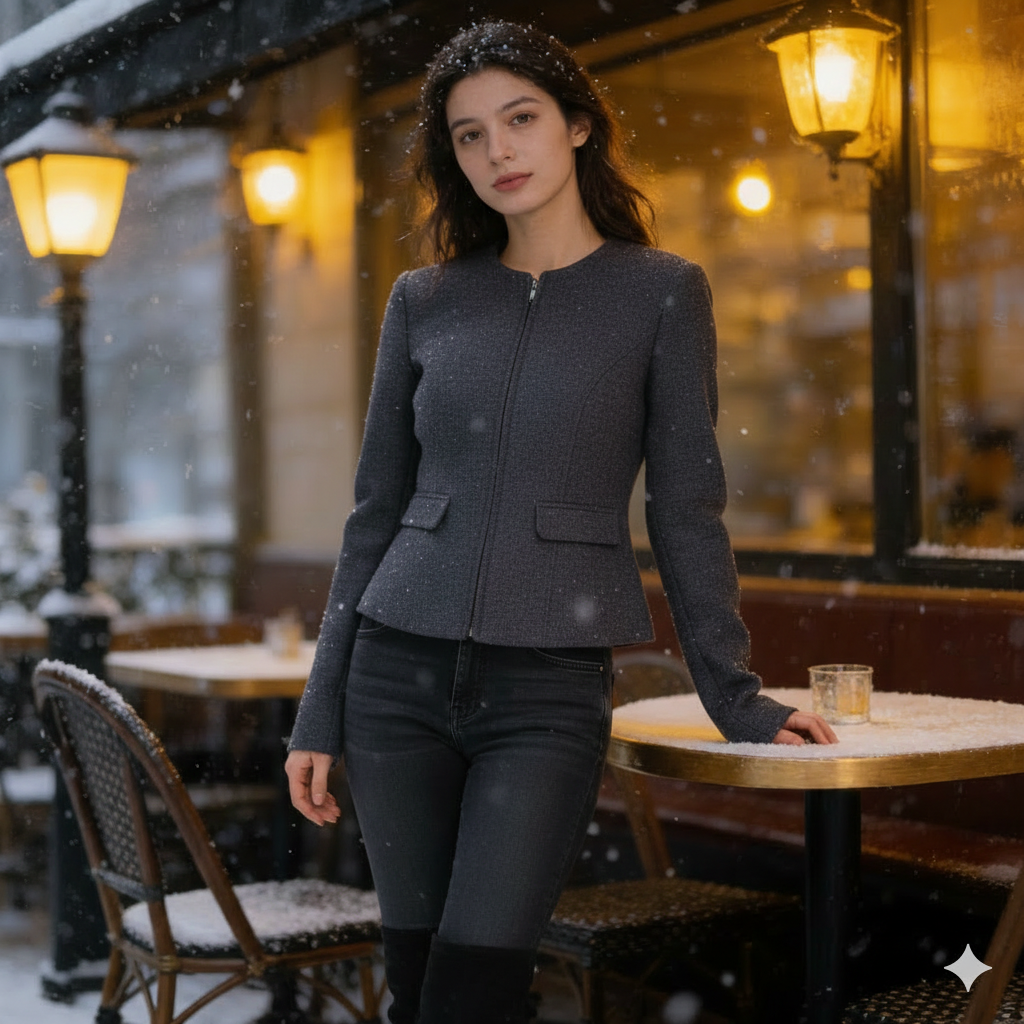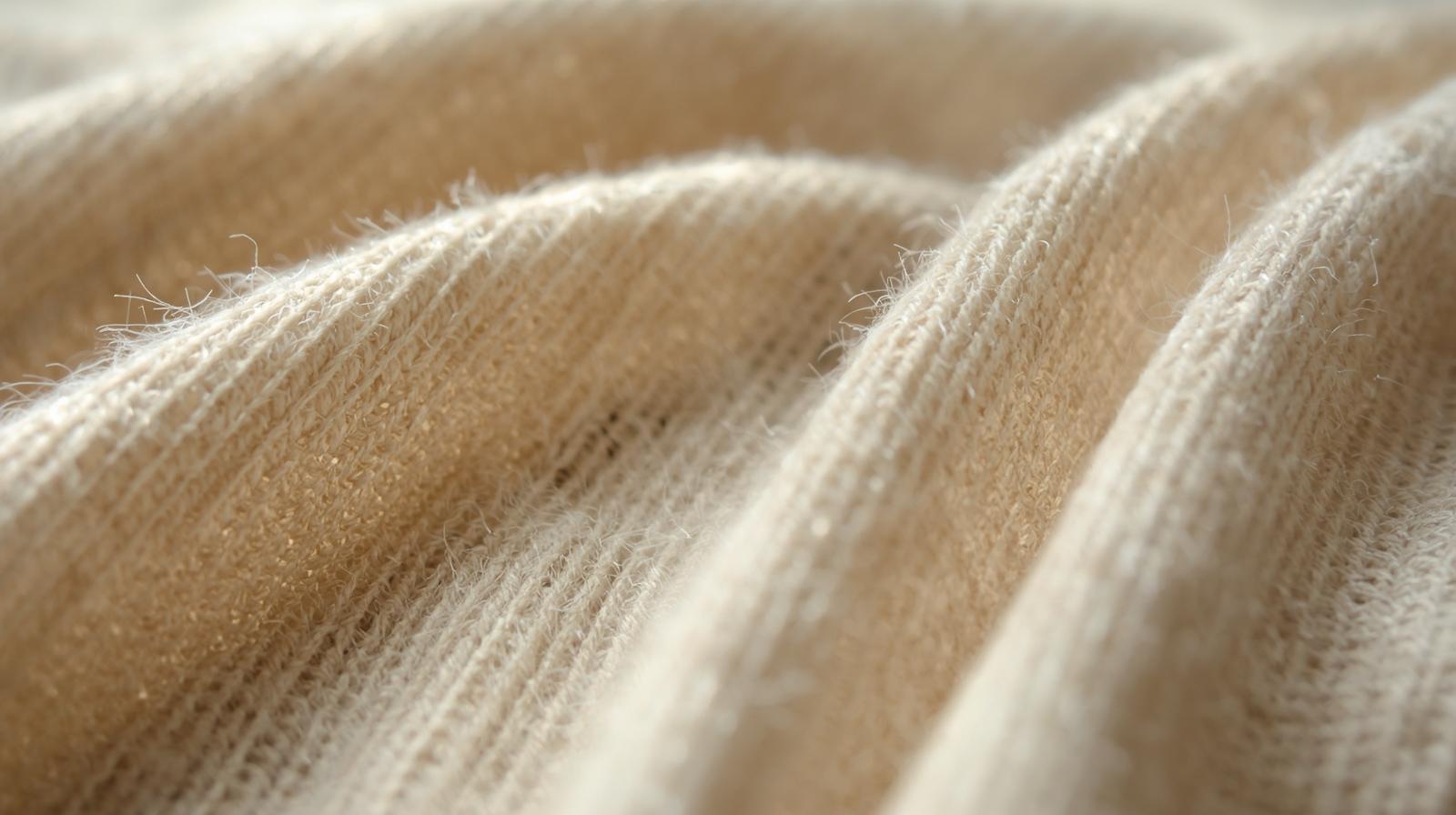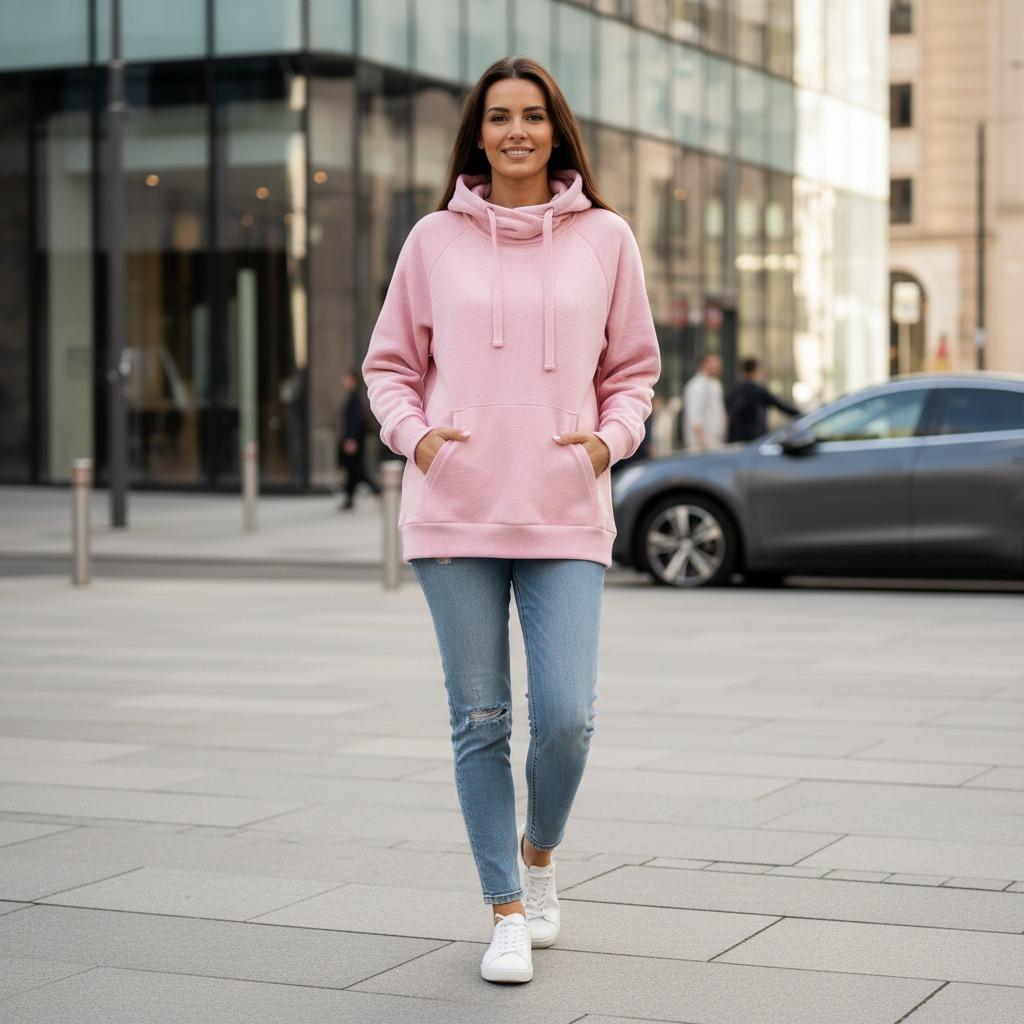
Bonded Knit Fabric for Coats Built for Weather Protection and Shape Control
Coat Fabrics Are Judged by Performance, Not Appearance
Coats operate under harsher conditions than most garments.
They face wind, light rain, temperature fluctuation, and continuous mechanical stress from movement and layering.
Fabrics that appear stable in sampling often reveal weaknesses only after wear: surface collapse, seam distortion, moisture penetration, or loss of silhouette. These failures are costly—especially in mid- to large-scale production.
This is why bonded knit fabric for coats has become a strategic material choice rather than a stylistic one.
At Succeed Textile, bonded knits are developed to support functional coat programs, not short-term trends.
Why Bonded Knit Construction Fits Coat Requirements
Bonded knit fabric combines two or more layers—typically a knit face with a supportive or protective backing—joined through controlled bonding rather than loose lamination.
This structure delivers:
-
Improved wind resistance without rigid hand feel
-
Enhanced body and drape control
-
Greater dimensional stability compared to single-layer knits
-
A clean surface suitable for structured coat silhouettes
For coats, bonding adds functional depth without pushing the garment into heavy or stiff territory.
Layer Interaction Matters More Than Fabric Thickness
In coat applications, performance is defined less by thickness and more by how layers interact.
Bonded knit fabrics perform because:
-
The outer knit layer provides comfort and visual softness
-
The inner layer reinforces shape and limits deformation
-
The bonding process stabilizes both layers as a single unit
This interaction reduces issues such as fabric shifting, uneven wear, and panel distortion—problems commonly seen when separate layers are combined during garment construction.
Weather Handling Without Compromising Wear Comfort
Coats frequently require basic protection against wind and light moisture, yet excessive rigidity reduces wearability.
Bonded knit fabric for coats supports this balance by:
-
Limiting air permeability while maintaining breathability
-
Reducing surface saturation in light rain conditions
-
Preserving flexibility across temperature changes
This makes bonded knits suitable for urban coats, commuter outerwear, and transitional-season garments where comfort remains essential.
Production Stability in Bonded Knit Coat Programs
Coat manufacturing involves long seams, multiple panels, and additional components such as collars, plackets and pockets. Fabric instability amplifies errors across these elements.
At Succeed Textile, bonded knit fabrics are developed with production realities in mind:
-
Bonding strength calibrated to withstand cutting and sewing tension
-
Shrinkage behavior aligned across bonded layers
-
Surface consistency maintained after finishing and washing
-
Fabric width and weight controlled for layout efficiency
This approach reduces rejection rates and improves size consistency across full runs.
Beyond Coats: Where Bonded Knit Fabrics Are Also Used
While optimized for coats, bonded knit fabrics often support multi-category garment lines, improving material efficiency for brands.
Common additional applications include:
-
Structured jackets
-
Soft-shell outerwear
-
Uniform outer layers
-
Technical casualwear
-
Cold-weather travel apparel
Using one bonded knit base fabric across categories simplifies sourcing and color management.
Selecting Bonded Knit Fabric for Coat Projects
When evaluating bonded knit fabric for coats, buyers should focus on functional alignment rather than surface appearance alone.
Key considerations include:
-
Bonding durability under repeated flexing
-
Balance between body support and wearer comfort
-
Compatibility with garment hardware (zippers, snaps)
-
Performance consistency across bulk orders
Early alignment between fabric structure and garment design significantly reduces downstream adjustments.
Common Buyer Questions
Is bonded knit fabric too heavy for coats?
Properly balanced bonded knits add structure without unnecessary bulk.
Does bonding reduce breathability?
Controlled bonding maintains airflow while limiting wind penetration.
Can bonded knits handle repeated seasonal orders?
Yes, when bonding and knitting parameters are tightly managed.
Is bonded knit suitable for unlined coats?
Many designs successfully use bonded knit as a standalone outer layer.
Bonded Knits Designed for Real Coat Programs
Coats demand fabrics that manage weather exposure, maintain structure and remain comfortable over extended wear.
Bonded knit fabric for coats meets these demands through layered stability and controlled performance.
At Succeed Textile, bonded knits are developed to support repeatable, scalable coat manufacturing, not experimental use.
Learn more about our bonded knit fabric capabilities on our
👉 homepage
or discuss coat-specific fabric requirements through our
👉 contact page