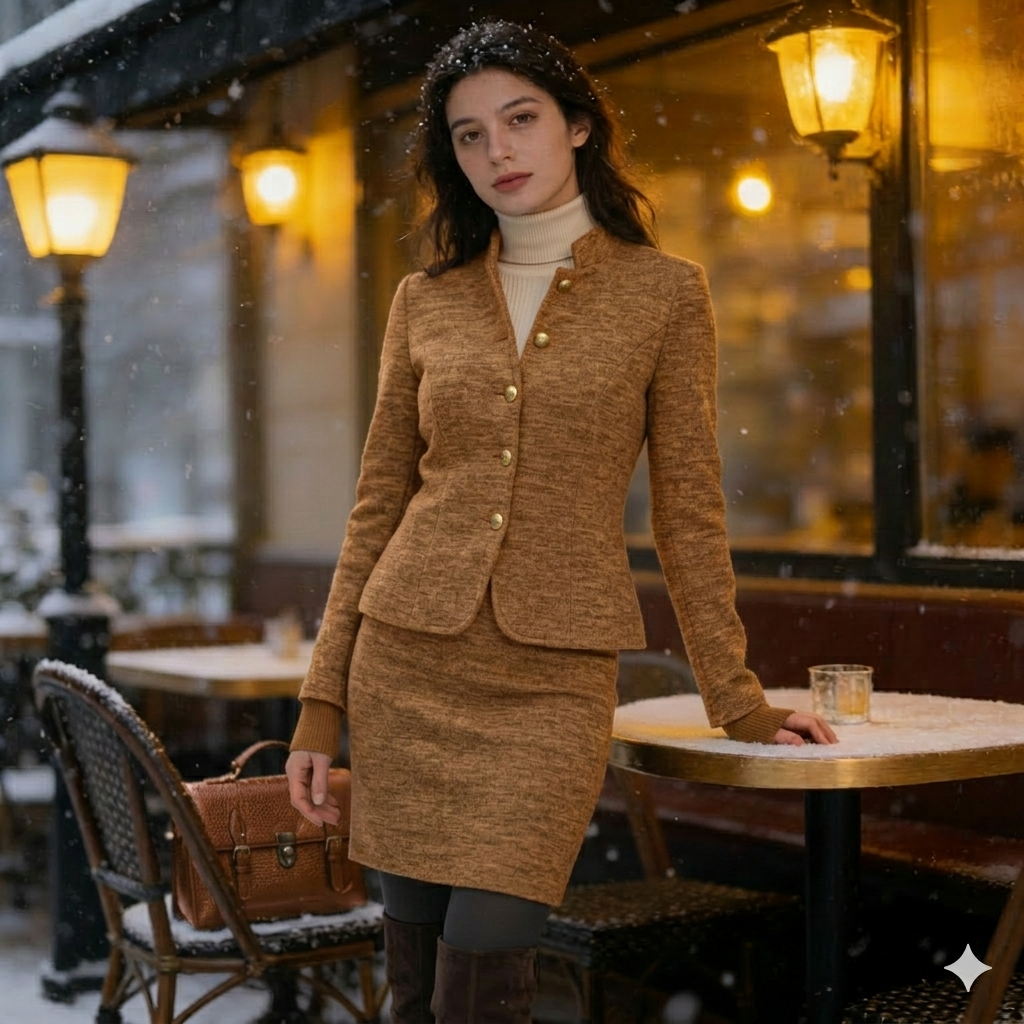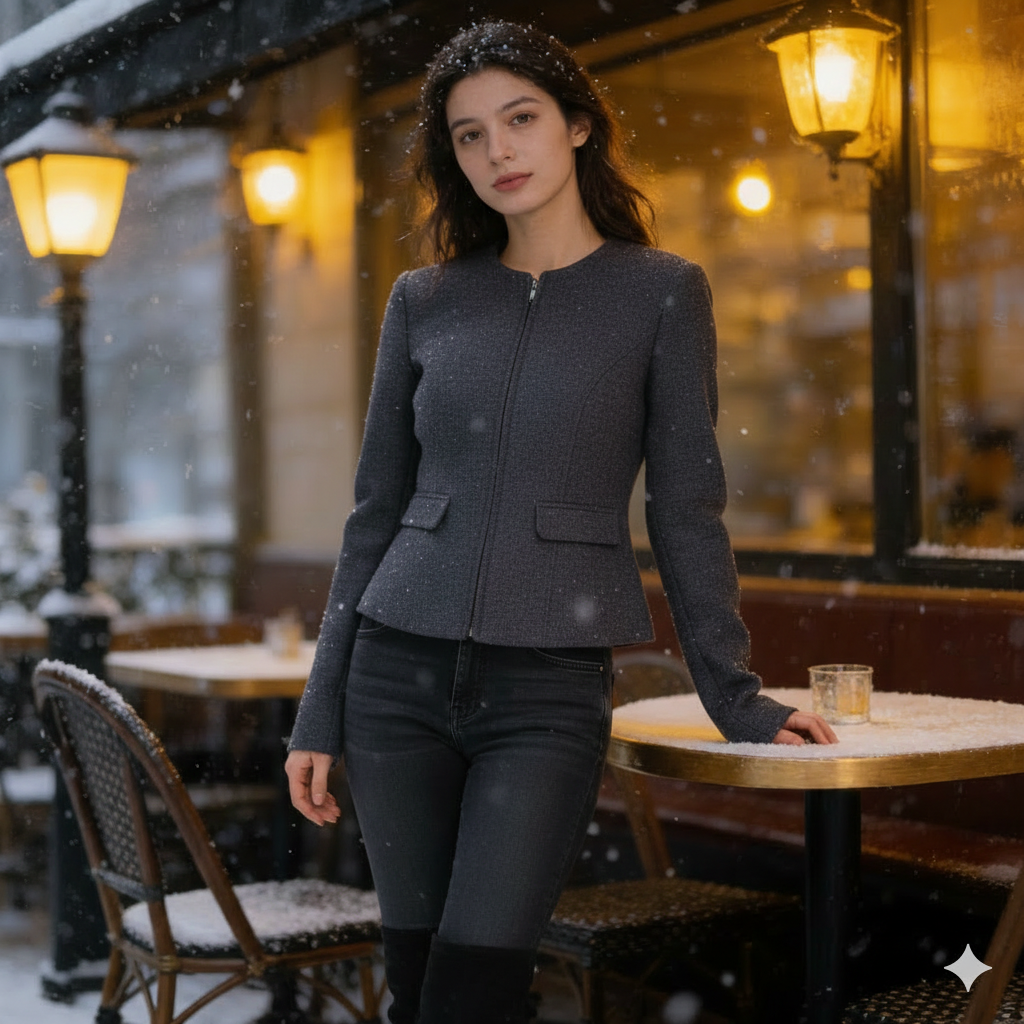
Where Jacket Programs Fail: Mismatch Between Fabric and End Use
Jacket development rarely fails because of design. It fails when the fabric doesn’t align with real usage conditions. Too soft, and the garment collapses. Too stiff, and it loses wearability. Too light, and it lacks structure. Too heavy, and it limits movement.
In practice, buyers searching for double knit fabric for jackets are not asking “what is double knit.” They are asking a more critical question: which structure actually fits my product line and customer expectations?
At Succeed Textile, most adjustments happen not at the design stage, but at the fabric level—balancing structure, weight and elasticity to match how the jacket will actually be worn.
How Double Knit Structure Supports Jacket Performance
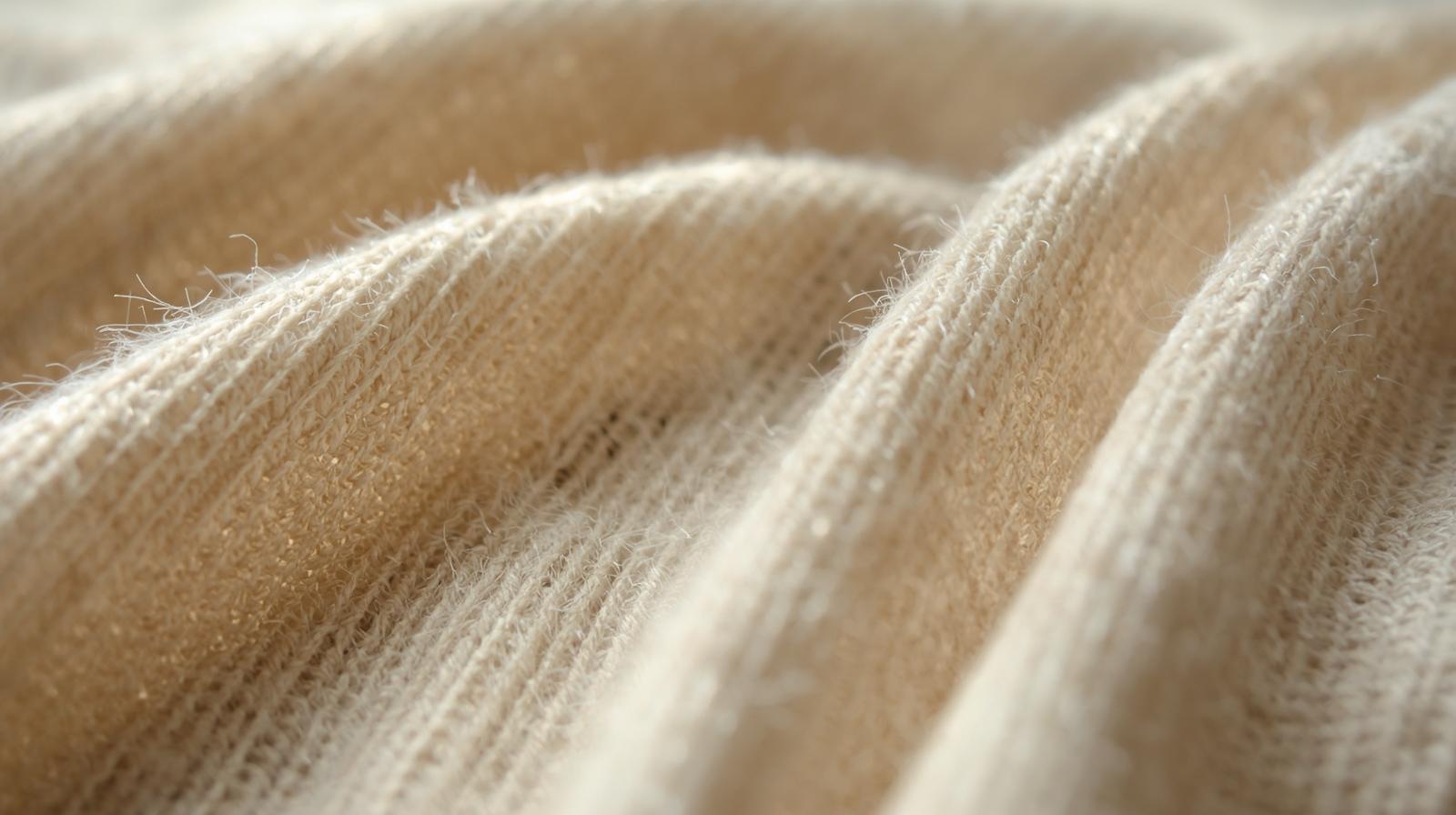
Double knit fabrics are built with interlocked layers, creating a thicker, more stable textile compared to single jersey. This structure naturally provides:
-
Better shape retention across wear cycles
-
Reduced edge curling during cutting and sewing
-
More controlled stretch, especially in structured garments
-
Improved surface consistency for premium finishes
However, performance varies significantly depending on yarn density, loop tightness and finishing processes. Two fabrics with the same composition can behave completely differently in production.
The Perfect Match: Which Jacket Type Needs Which Fabric
| Jacket Category | Recommended Fabric Weight | Key Requirement | Fabric Behavior |
|---|---|---|---|
| Casual urban jackets | 260–320 GSM | Comfort + structure | Soft touch with moderate body |
| Sports outer layers | 240–300 GSM | Flexibility + recovery | Controlled stretch, stable fit |
| Workwear jackets | 300–380 GSM | Durability + shape retention | Firm structure, low deformation |
| Fashion structured jackets | 280–340 GSM | Clean silhouette | Smooth surface, stable drape |
This is where double knit fabric for jackets becomes highly targeted. It is not one fabric, but a system of variations designed to match specific product lines.
Comparing Fabric Choices in Jacket Production
| Factor | Double Knit | Single Jersey | Bonded Fabric |
|---|---|---|---|
| Shape retention | High | Low | Very high |
| Flexibility | Moderate | High | Low |
| Production stability | High | Medium | Medium |
| Wear comfort | Balanced | High | Lower |
| Application range | Broad | Casual only | Outerwear only |
Double knit sits in the middle—structured enough to support jackets, but still wearable across different climates and categories. This balance is why it is widely selected across scalable apparel programs.
What Buyers Actually Need to Evaluate Before Bulk Orders
Selecting the right double knit fabric for jackets is less about fiber content and more about performance alignment. In real sourcing scenarios, buyers typically focus on:
-
Weight tolerance: ±5% variation can affect garment consistency
-
Shrinkage behavior: ideally controlled within 3–5% after washing
-
Stretch recovery: especially for active or fitted jackets
-
Surface stability: critical for branding, printing or finishing
-
Batch repeatability: ensuring fabric behaves the same across orders
At Succeed Textile, these factors are tested before bulk production to reduce risk during scaling.
Where Double Knit Fabrics Perform Best in Real Markets
Different markets prioritize different performance outcomes:
-
European brands focus on structure and long-term durability
-
Korean fashion labels emphasize silhouette and surface quality
-
US activewear brands prioritize flexibility and recovery
-
Uniform buyers require stability across repeated washing cycles
A single fabric cannot meet all these expectations. Matching the correct variation to the target market is what determines product success.
Practical Questions from Jacket Buyers
Q: Can one double knit fabric be used across multiple jacket styles?
A: It is possible, but performance compromises are common. Different styles usually require tailored structures.
Q: Is heavier fabric always better for jackets?
A: Not necessarily. Excess weight can reduce comfort and limit wear scenarios.
Q: How stable is double knit fabric after washing?
A: With proper finishing, shrinkage and deformation can be controlled within acceptable ranges.
Q: What causes inconsistency in bulk orders?
A: Variations in yarn quality, finishing processes and fabric density.
Matching Fabric to Product, Not Just Specification
The real value of double knit fabric for jackets lies in its adaptability. It can be tuned for comfort, structure or durability depending on the application. The key is not choosing the fabric with the best specification—but the one that fits the actual product environment.
At Succeed Textile, fabric development starts from how the jacket will be used, worn and maintained, then moves bac
If you are developing jacket collections and need stable, repeatable fabric solutions, you can explore our full fabric range on the
👉 homepage
For sourcing discussions, technical alignment or bulk production planning, reach out via the
👉 contact page