The Hidden World in Your Wardrobe
Welcome to the fascinating intersection of art, science, and daily life—a field we can call fabric popular science. Every single day, we are wrapped in textiles, from the soft cotton sheets we wake up in to the durable denim jeans we wear for an adventure. Yet, we rarely pause to consider the incredible journey these materials have taken. From a simple plant fiber or a complex polymer to the finished garment, the story of fabric is a story of human ingenuity, natural wonder, and technological advancement. Understanding the materials that clothe us is not just a matter of curiosity; it empowers us to make better choices for our comfort, style, and the planet.
The Timeless Allure of Natural Fibers
Long before laboratories began engineering new materials, humanity relied on the bounty of the natural world. Natural fibers, derived from plants and animals, are the original textiles. Think of cotton, a fluffy fiber from the cotton plant, renowned for its incredible softness, breathability, and absorbency, making it a universal favorite for everything from t-shirts to towels. Journey to the highlands, and you'll find sheep whose fleece gives us wool, a fiber celebrated for its unparalleled warmth, elasticity, and natural flame resistance. Its crimped structure traps air, creating an insulating barrier that keeps you cozy. From the delicate work of the silkworm comes silk, the epitome of luxury. Its smooth, lustrous surface drapes beautifully, shimmering with an almost magical light. Then there is linen, derived from the flax plant, one of the oldest textiles known to man. It is crisp, cool to the touch, and exceptionally strong, becoming softer and more beautiful with every wash.
Innovation in Every Thread: The Synthetic Revolution
The 20th century ushered in a new era of textile innovation with the birth of synthetic fibers. Created through chemical synthesis, these materials offered properties that natural fibers couldn't. Polyester emerged as a workhorse of the modern wardrobe, prized for its immense durability, wrinkle resistance, and ability to hold vibrant colors without fading. It became the go-to fabric for activewear and apparel that needs to withstand heavy use. Nylon, another groundbreaking invention, is known for its exceptional strength and elasticity. Originally famous for its use in stockings, it is now a crucial component in everything from outdoor gear and backpacks to carpets. Acrylic fibers were developed as a substitute for wool, offering similar warmth and softness but with a lightweight feel and excellent resistance to sunlight and weathering, making them ideal for sweaters, blankets, and outdoor upholstery.
From Fiber to Fabric: The Art of Construction
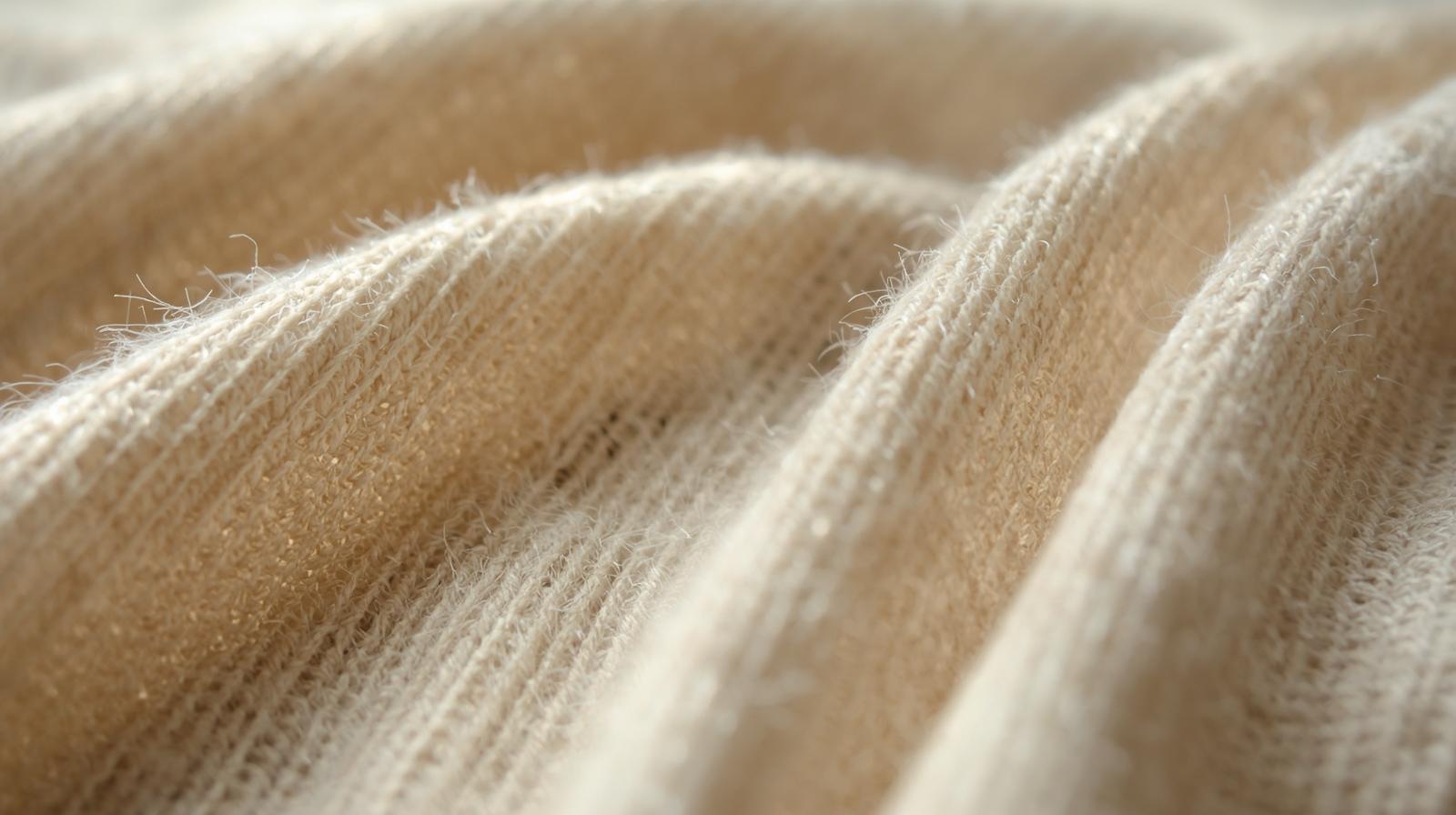
The journey from a single fiber to a usable piece of cloth is a marvel of engineering. The way fibers are interlaced together, known as construction, fundamentally defines the fabric's character. The two primary methods are weaving and knitting. Weaving involves interlacing two sets of yarns at right angles to create a stable, structured fabric like denim, crisp poplin, or delicate chiffon. The pattern of the weave can create different textures and strengths. Knitting, on the other hand, involves looping a single yarn together. This method creates fabrics that have inherent stretch and flexibility, like the soft jersey of your favorite t-shirt or the cozy rib-knit of a sweater's cuff. This construction allows the fabric to move with the body, providing unparalleled comfort.
Textiles of Tomorrow: Smart and Sustainable Fabrics
The evolution of fabric is far from over. Today, we stand on the cusp of another textile revolution, this one driven by sustainability and smart technology. Scientists and designers are developing smart fabrics with embedded electronics that can monitor vital signs, regulate body temperature, or even charge your devices. Imagine a shirt that cools you down on a hot day or a jacket that lights up for safety at night. Simultaneously, there is a powerful movement towards sustainability. This includes fabrics made from recycled plastic bottles (rPET), innovative fibers derived from sustainable sources like bamboo or eucalyptus trees (Tencel™ Lyocell), and agricultural waste. This focus on a circular economy ensures that the fabrics of our future are not only high-performing but also gentle on our planet, closing the loop in the fabric's lifecycle.