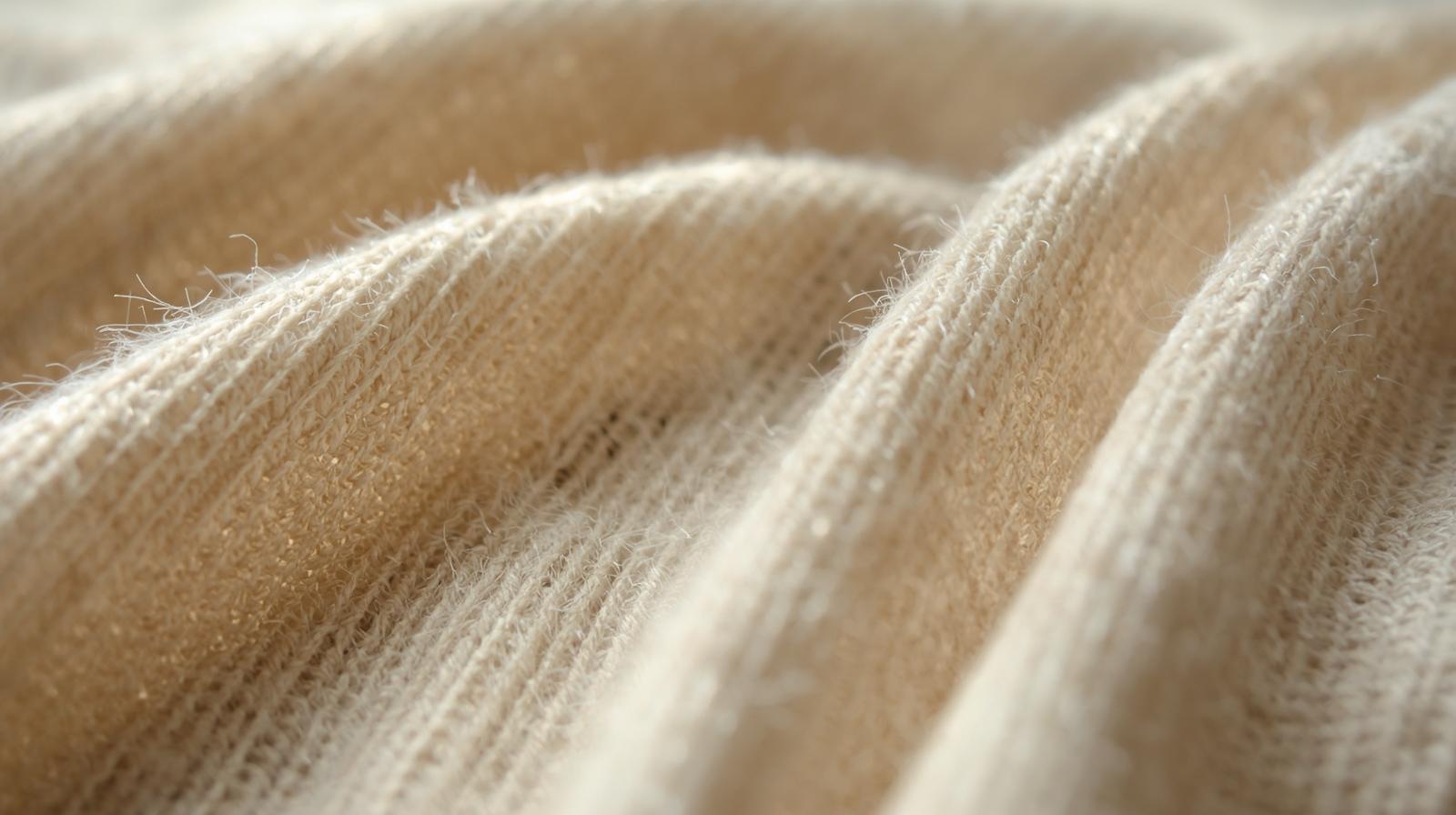
Emerging Trends in Smart Textiles: The Rise of Graphene Interlock Antibacterial Innovations
In the rapidly evolving world of wearable technology, Graphene Interlock Antibacterial stands out as a transformative trend, blending cutting-edge materials with everyday functionality. This innovative approach is reshaping the fashion and textiles industry by prioritizing health, comfort, and sustainability. As consumers increasingly demand products that go beyond aesthetics, graphene-based fabrics are leading the charge, offering antibacterial properties that combat odor and bacterial growth without compromising style. The Graphene Interlock Jacket, for instance, exemplifies this trend, providing a chic oversized denim design that's as practical as it is fashionable.
Graphene Thermal Conduction: Revolutionizing Comfort in Variable Climates
One of the most exciting developments in this space is Graphene thermal conduction, which allows fabrics to regulate body temperature efficiently. Unlike traditional materials, graphene's exceptional heat distribution properties adapt to environmental changes, keeping wearers warm in cooler weather or cool during milder conditions. This trend is particularly prominent in outerwear like the Graphene Interlock Double-Faced Fabric SYT25188, with its 160cm width and 250G/M2 weight, ensuring a comfortable drape while maintaining optimal warmth. As climate variability becomes a global concern, textiles incorporating Graphene thermal conduction are gaining traction in both casual and professional apparel, promising year-round versatility without the need for multiple layers.
Reducing Static Electricity with Graphene: Enhancing Everyday Wearability
Another key trend is Reducing static electricity with graphene, addressing a common annoyance in modern fabrics. Graphene's conductive nature neutralizes static buildup, preventing uncomfortable shocks and cling, especially in dry seasons or synthetic-heavy garments. This feature is integrated seamlessly into products like the Graphene Interlock Jacket, allowing for free movement and a polished look. Industry experts predict that antistatic graphene solutions will become standard in activewear and uniforms, driven by consumer feedback highlighting improved user experience. As textile manufacturers scale production, this innovation reduces reliance on chemical treatments, aligning with eco-conscious trends.
Antimicrobial Graphene Films: Prioritizing Hygiene in a Post-Pandemic World
The surge in Antimicrobial graphene films represents a pivotal shift toward health-focused textiles, where hygiene is non-negotiable. These films, embedded in fabrics like the SYT25188 model, create a barrier against pathogens, minimizing bacterial proliferation and promoting freshness. In healthcare, sportswear, and daily apparel, this trend is booming as public awareness of microbial risks grows. The composition of graphene, dyes, and nylon in these materials not only enhances durability but also ensures long-lasting protection, making them ideal for high-touch environments. Market analyses show a 25% annual growth in antimicrobial textiles, underscoring graphene's role in sustainable hygiene solutions.
Applications of Graphene in Textiles: Broadening Horizons Across Industries
Looking ahead, Applications of graphene in textiles are expanding into diverse sectors, from medical uniforms to luxury fashion. Graphene Interlock Antibacterial fabrics are at the forefront, offering a blend of strength, adaptability, and innovation that traditional materials can't match. For example, the jacket's antistatic and thermal properties make it perfect for urban adventurers, while the double-faced fabric suits versatile garment designs. As research advances, we can expect graphene to infiltrate smart clothing with embedded sensors, further personalizing user experiences. This trend not only elevates functionality but also supports circular fashion by extending garment lifespans through superior durability and easy maintenance.
Overall, the integration of Graphene Interlock Antibacterial and its related technologies signals a future where textiles are intelligent, protective, and stylish. With projections indicating a multi-billion-dollar market by 2030, brands adopting these trends will lead in consumer satisfaction and environmental responsibility. Embracing graphene isn't just about following fashion—it's about pioneering a healthier, more comfortable world.