Interlock Fabric for Sportswear Built for Stretch Control, Comfort and Active Performance
Sportswear Fabrics Must Perform Under Movement, Not Static Fit
Sportswear places very different demands on fabric than casual apparel.
Garments are stretched repeatedly, exposed to sweat, friction and frequent washing, and expected to maintain both comfort and appearance over time.
Many knit fabrics feel acceptable at rest but reveal weaknesses once worn in motion—twisting seams, uneven recovery, surface distortion or rapid loss of shape.
This is where interlock fabric earns its position in serious sportswear programs.
At Succeed Textile, interlock knits for sportswear are developed around movement behavior, not just softness or weight.
How Interlock Structure Supports Active Performance
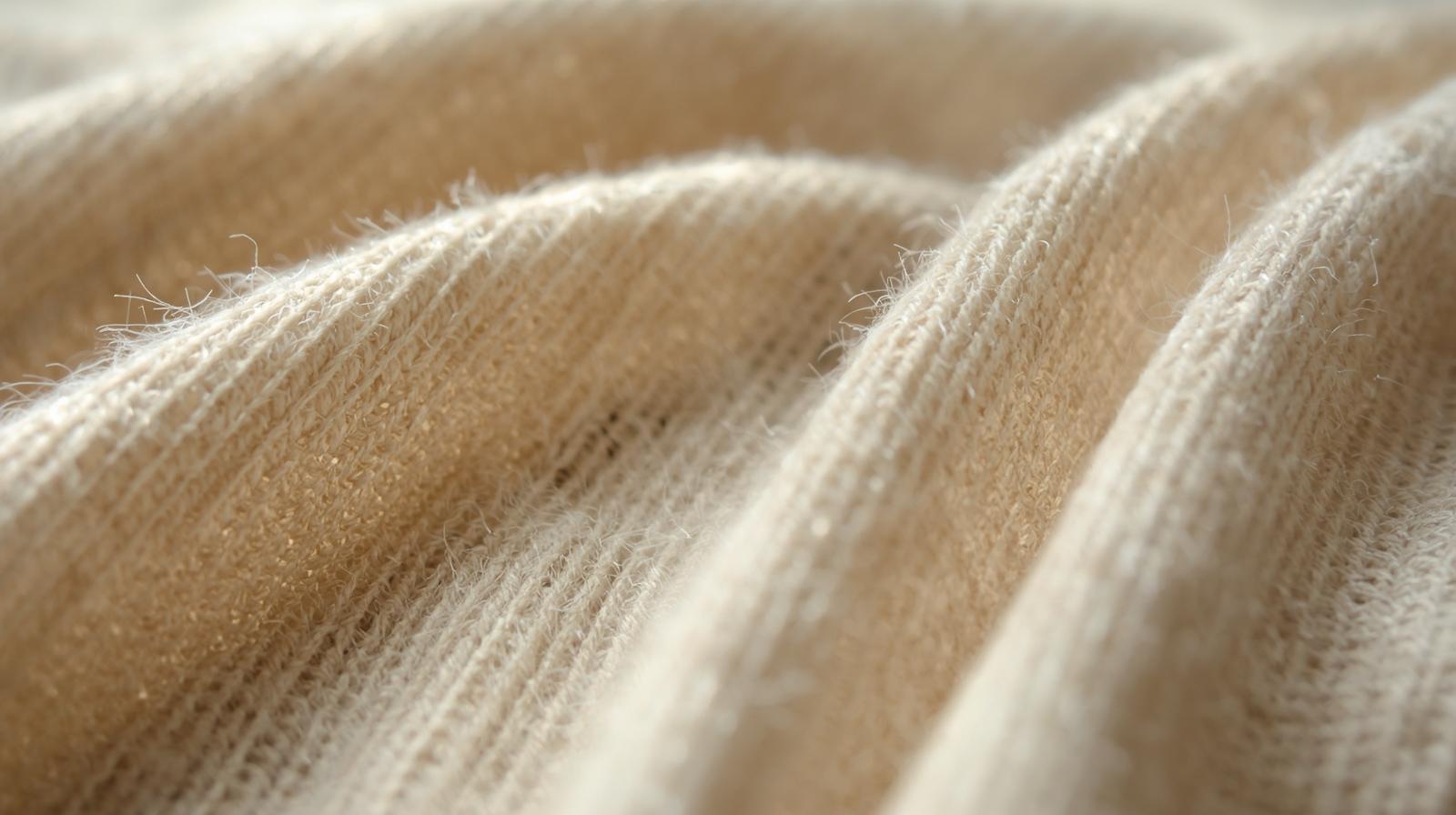
Interlock fabrics are produced using two needle beds that create a balanced, double-sided knit.
This symmetry changes how the fabric reacts when stretched, compressed or laundered.
For sportswear, this structure offers three practical advantages:
-
Uniform stretch in multiple directions, reducing stress concentration
-
Smooth surfaces on both sides, improving comfort during body contact
-
Higher loop density, which stabilizes shape during repeated motion
Compared with single jersey, interlock is far less likely to twist or distort after extended wear.
Stretch and Recovery: The Real Difference in Sportswear
Stretch alone is not enough for sports garments. Recovery determines whether a garment keeps its fit after training, washing and drying.
Interlock fabric naturally provides:
-
Controlled mechanical stretch
-
Even recovery across panels
-
Reduced bagging at elbows, knees and waist
When blended with a low percentage of spandex, interlock knits offer predictable elasticity without becoming overly tight or restrictive.
This balance is especially important in training tops, warm-up jackets and multi-use athletic apparel.
Weight and Density: Finding the Performance Sweet Spot
In sportswear, fabric weight influences not only warmth but also fatigue and freedom of movement.
Lighter interlock fabrics support breathability and flexibility, while heavier versions improve coverage and structure.
Most scalable sportswear programs operate within a 200–280 GSM range, depending on garment type.
Within this range, interlock provides enough substance to resist transparency and deformation without adding unnecessary bulk.
Comfort Under Motion and Skin Contact
Sportswear fabrics remain in constant contact with the body, often under heat and moisture.
Interlock fabric performs well in these conditions due to its smooth loop structure and stable surface.
Key comfort-related behaviors include:
-
Reduced surface friction during repetitive movement
-
Minimal edge curling at seams and hems
-
Consistent hand feel even after multiple wash cycles
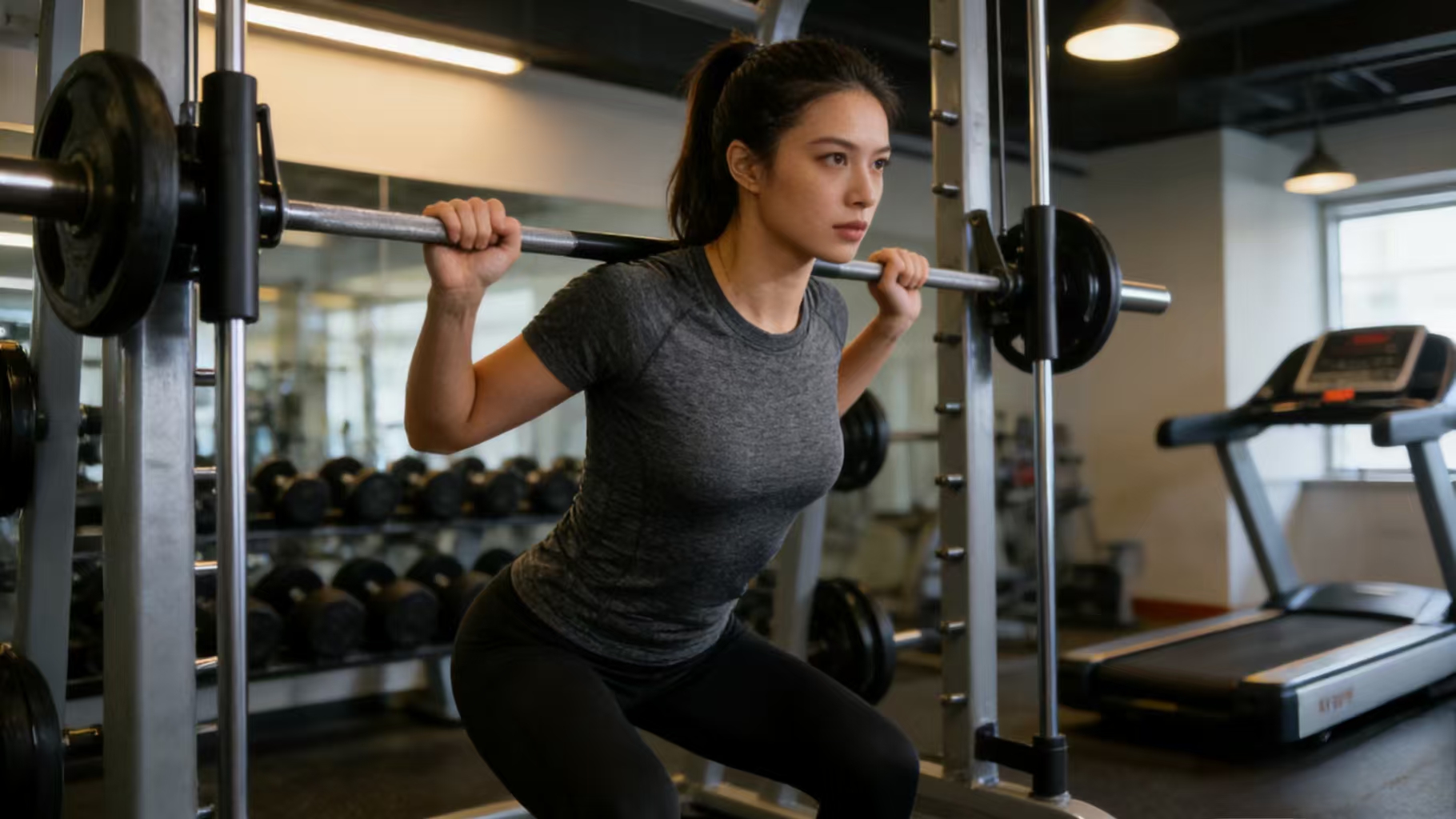
These characteristics make interlock suitable for training tops, yoga apparel, warm-up layers and lifestyle-active hybrids.
Production Stability in Sportswear Manufacturing
Sportswear collections often involve multiple sizes, colorways and repeat orders.
Fabric inconsistency quickly leads to quality complaints and size variance.
At Succeed Textile, sportswear interlock fabrics are developed with production control in mind:
-
Knitting tension is optimized to minimize torque
-
Pre-setting processes stabilize dimensions before cutting
-
Surface finishing reduces pilling without compromising elasticity
-
Dye lots are controlled to maintain shade consistency across seasons
Factories benefit from smoother sewing performance and fewer adjustments during bulk runs.
Where Interlock Fabric Fits Best in Sportswear Lines
Interlock fabric is widely used across activewear categories where balanced performance is required.
It supports:
-
Training tops and tees that require stretch with shape retention
-
Warm-up jackets needing smooth surfaces and structure
-
Yoga and studio wear where comfort and recovery matter equally
-
Athletic lifestyle apparel bridging sport and everyday use
Designers often rely on one interlock base fabric to support multiple silhouettes, simplifying sourcing and inventory management.
Buyer Questions That Influence Material Approval
Will interlock feel too heavy for active use?
Not when weight and yarn selection are balanced correctly.
Does interlock restrict movement compared to jersey?
No. Properly engineered interlock offers controlled stretch without instability.
Is interlock suitable for moisture management finishes?
Yes. Wicking and quick-dry treatments integrate well with interlock structures.
Can interlock handle frequent washing?
Its dense loop construction supports long-term durability when finished correctly.
A Stable Foundation for Performance Sportswear
Sportswear succeeds when fabrics support movement rather than fight it.
Interlock fabric for sportswear delivers controlled stretch, surface comfort and manufacturing reliability—qualities that matter long after the first wear.
At Succeed Textile, interlock knits are developed for brands building long-term activewear programs, not one-off collections.
Explore our sportswear-ready interlock fabrics on the
👉 homepage
or discuss specifications, sampling and bulk production through our
👉 contact page