Jersey Knit Fabric Supplier Focused on Consistency, Comfort and Scalable Apparel Production
Jersey Knit Decisions Shape the Entire Production Chain
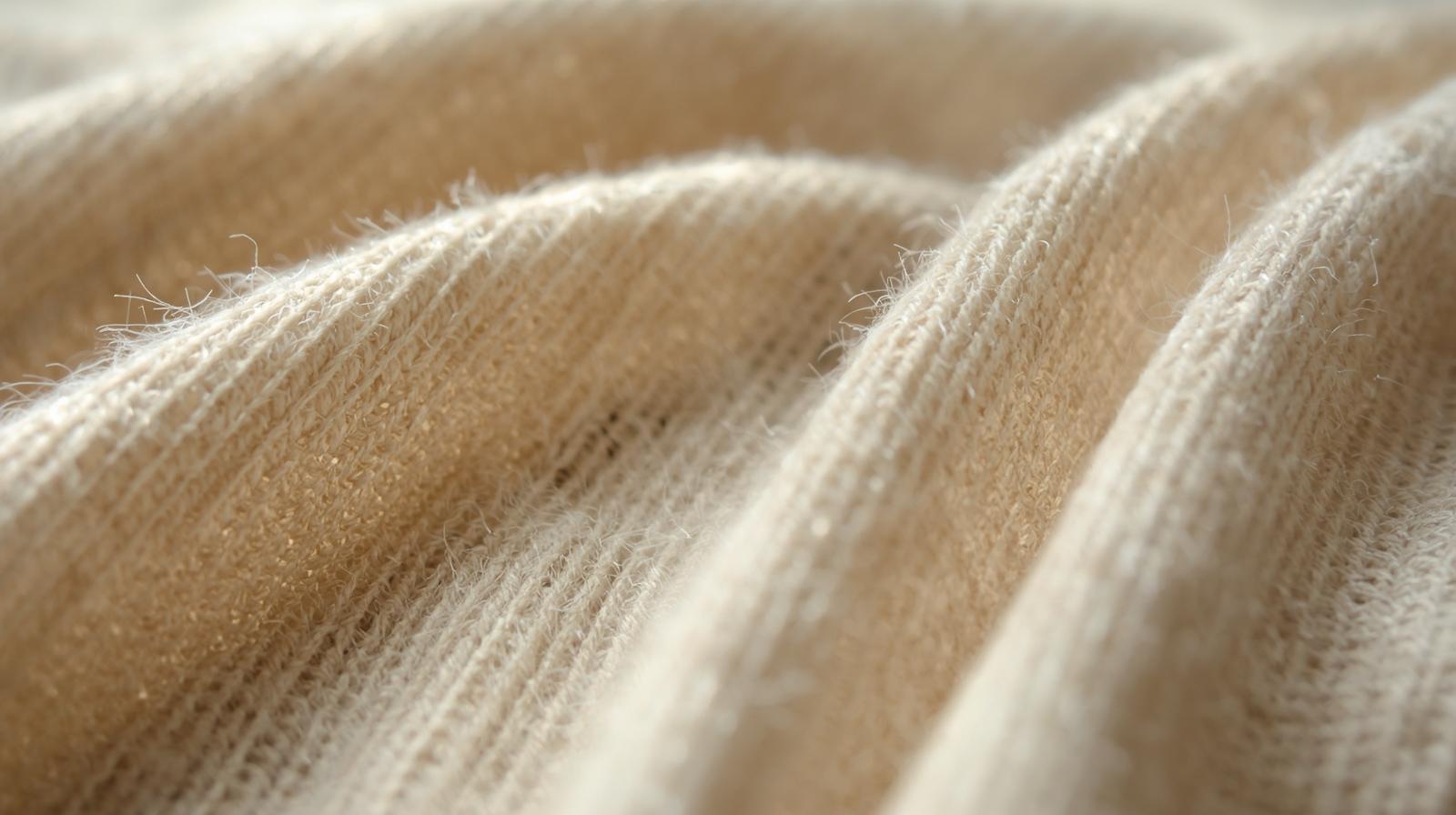
Jersey knit fabric is often treated as a basic material. In reality, it is one of the most sensitive fabrics in large-scale apparel production.
Minor instability in jersey fabric quickly turns into size inconsistency, sewing distortion, or post-wash deformation once production scales.
For brands producing T-shirts, sportswear, loungewear or layered garments, selecting the right jersey knit fabric supplier is not a sourcing formality—it is a structural decision that influences yield, quality control and customer satisfaction.
At Succeed Textile, jersey knits are developed to behave predictably under real manufacturing conditions, not just on sample boards.
What Makes Jersey Knit Challenging at Scale
Jersey fabric uses a single-needle knit structure. This gives it softness and flexibility, but also introduces risks if not properly controlled.
Common production challenges include:
-
Edge curling during cutting
-
Fabric torque leading to twisted panels
-
Uneven shrinkage across lots
-
Surface pilling after repeated wear
-
Width fluctuation affecting cutting efficiency
These issues rarely appear during sampling. They surface only when production volumes increase, which is why supplier capability matters more than fabric appearance.
Structure Control: The Core of Reliable Jersey Knits
The performance of jersey fabric is determined less by fiber choice than by knitting discipline.
Key structural controls include:
-
Loop density calibrated for balance, not just softness
-
Yarn twist aligned to reduce rotational stress
-
Knitting tension adjusted to limit torque accumulation
-
Fabric relaxation cycles completed before finishing
When these factors are ignored, even high-quality yarns produce unstable jersey fabric.
Comfort Is Expected — Stability Is Differentiation
All jersey knits are comfortable. What differentiates a professional jersey knit fabric supplier is how well that comfort holds up over time.
A stable jersey knit should:
-
Retain garment shape after washing
-
Recover evenly after stretch
-
Maintain surface appearance under abrasion
-
Perform consistently across repeated orders
In many long-term apparel programs, brands accept slightly firmer hand feel in exchange for predictable garment behavior.
Weight Selection and Its Production Impact
Fabric weight (GSM) directly affects jersey performance and production risk.
Lightweight jerseys feel soft but increase the likelihood of:
-
Transparency issues
-
Distortion during sewing
-
Accelerated surface wear
Heavier jerseys improve stability but require careful finishing to avoid stiffness.
Most scalable jersey programs operate within 140–220 GSM, depending on garment category and market positioning.
How Succeed Textile Manages Jersey Knit Consistency
Consistency is where many suppliers fall short.
At Succeed Textile, jersey production focuses on repeatability rather than speed.
Key controls include:
-
Pre-relaxation to release internal tension
-
Width stabilization before cutting
-
Anti-pilling treatments aligned with fiber type
-
Shrinkage control within 3%
-
Dye lot monitoring to maintain shade consistency
This approach reduces size deviation and improves cutting yield, especially in multi-size production runs.
Where Jersey Knit Fabrics Are Most Effectively Used
Jersey knit remains indispensable across apparel categories when engineered correctly.
It supports:
-
T-shirts and base layers requiring softness and breathability
-
Activewear tops needing light stretch and recovery
-
Loungewear where comfort drives repeat purchase
-
Layering garments used across seasons
-
Casual uniforms requiring easy care and durability
Many brands standardize a small number of jersey bases to support wide product ranges efficiently.
Buyer Questions That Affect Supplier Approval
Will jersey fabric twist after washing?
Only if knitting tension and yarn balance are poorly controlled.
Is softer always better?
Not for production. Slight firmness often improves long-term garment stability.
Can jersey support repeat seasonal orders?
Yes, with proper process control and yarn sourcing consistency.
Does jersey fabric affect sewing speed?
Unstable jersey slows sewing and increases rework. Stable jersey improves throughput.
Jersey Knits Built for Long-Term Programs
Jersey fabric looks simple but behaves complexly at scale.
Choosing the right jersey knit fabric supplier ensures comfort does not come at the cost of production reliability.
At Succeed Textile, jersey knits are developed to support repeatable, scalable apparel manufacturing, helping brands avoid quality drift across seasons.
Explore our jersey knit fabric range on the
👉 homepage
or discuss specifications, sampling and bulk programs via our
👉 contact page