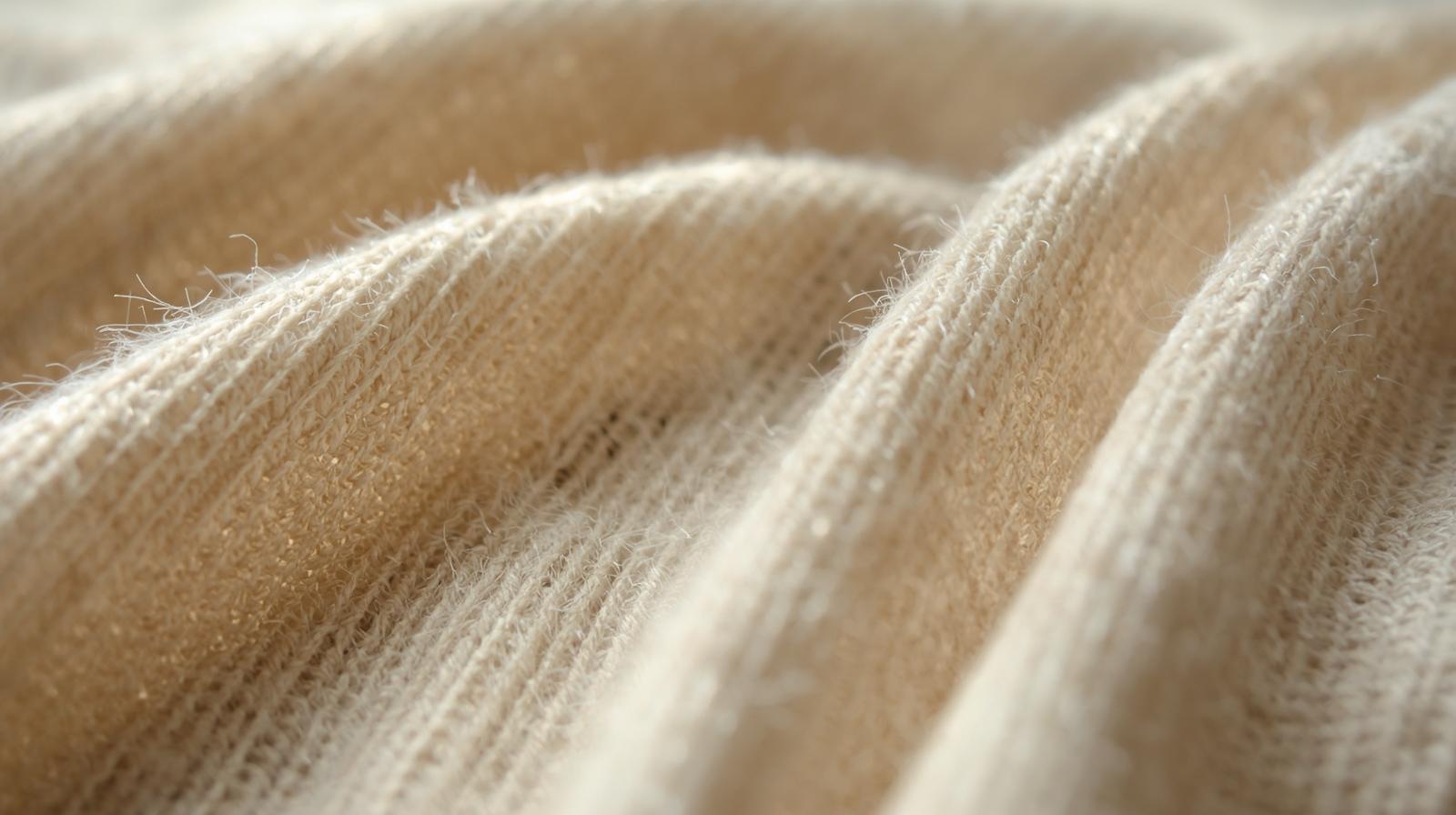
Organic Cotton Interlock Fabric for Apparel Brands Requiring Comfort, Stability and Traceability
When Fabric Comfort Must Survive Real Production
Many fabrics feel good on a swatch. Far fewer remain stable once they go through cutting, sewing, washing, and repeated wear.
This is where organic cotton interlock fabric earns its place in serious apparel programs.
For brands developing babywear, premium basics, loungewear, or skin-contact garments, the challenge is not only softness. It is whether that softness survives industrial manufacturing conditions without distortion, excessive shrinkage, or surface degradation.
At Succeed Textile, organic cotton interlock is treated as a production material, not a marketing label.
Why Interlock Construction Changes Everything for Organic Cotton
Organic cotton yarn behaves differently from conventional cotton. It is often slightly shorter-staple and more sensitive to tension.
Using a single jersey structure amplifies these weaknesses. Interlock, however, does the opposite.
Structural Advantages of Interlock for Organic Fibers
-
Two synchronized needle beds create a balanced loop system
-
Identical face and back surfaces eliminate fabric bias
-
Higher loop density improves dimensional stability
-
Natural mechanical stretch reduces reliance on elastane
In practice, this means fewer cutting issues, cleaner seams, and better garment symmetry.
Organic Cotton Interlock vs Organic Cotton Jersey
| Performance Factor | Organic Jersey | Organic Interlock |
|---|---|---|
| Edge Curling | Common | Minimal |
| Fabric Stability | Medium | High |
| Surface Uniformity | Single-face | Double-face |
| Shrinkage Control | Moderate | Easier to control |
| Garment Yield | Standard | Higher |
Many buyers transition to interlock after experiencing high rejection rates with organic jersey during bulk production.
Raw Material Control: Why Organic Certification Alone Is Not Enough
A frequent misconception is that certification guarantees performance.
In reality, yarn preparation and knitting discipline matter just as much.
How Succeed Textile Controls Organic Interlock Quality
-
Certified organic cotton yarns with consistent micron and twist levels
-
Pre-knitting yarn conditioning to stabilize moisture content
-
Low-tension knitting settings to protect fiber integrity
-
Enzyme finishing to improve smoothness without weakening loops
-
Pre-shrinking & compaction to control dimensional change below 3%
This process reduces post-wash deformation and improves size consistency across garment batches.
Fabric Performance Metrics Buyers Actually Care About
| Property | Typical Range |
|---|---|
| Weight (GSM) | 180 – 300 |
| Shrinkage | ≤ 3% |
| Pilling Resistance | Grade 4–5 |
| Color Fastness (Wash) | Grade 4 |
| Air Permeability | Balanced for all-season wear |
According to Textile Exchange, organic cotton fabrics are increasingly specified not just for sustainability reasons, but for consumer comfort and long-term wearability, particularly in premium basics and babywear categories.
Where Organic Cotton Interlock Performs Best — Real Use Cases
| Apparel Category | Why Interlock Is Chosen |
|---|---|
| Baby & Infant Wear | Smooth surfaces on both sides, minimal irritation |
| Premium T-Shirts | Shape retention after repeated washing |
| Loungewear & Sleepwear | Breathability with gentle warmth |
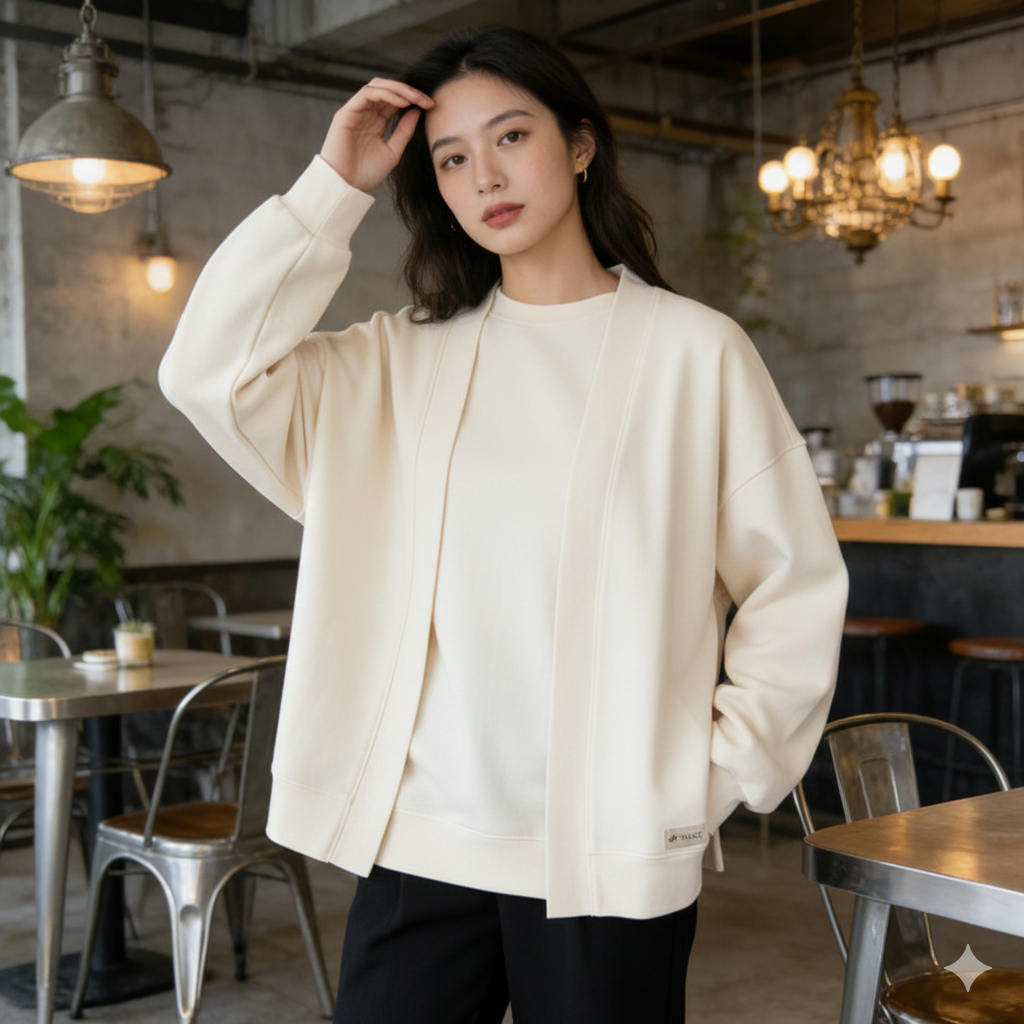
| Light Sweatshirts | Structured feel without heavy weight |
| Layering Pieces | Stable base for multi-season collections |
Brands often standardize organic interlock across multiple SKUs to simplify sourcing and quality control.
Cost, Yield and Production Reality
From a factory perspective, organic cotton interlock often results in:
-
Lower cutting waste due to reduced curling
-
Fewer sewing defects caused by fabric torque
-
More predictable sizing across production runs
Although organic yarn costs are higher, many buyers recover part of that cost through improved production efficiency and reduced rework.
Buyer Questions We Hear Repeatedly
Q1: Is organic cotton interlock suitable for bulk programs?
Yes, when yarn sourcing and shrinkage control are managed consistently.
Q2: Can organic interlock be blended with stretch fibers?
Yes. Low-percentage elastane can be added while maintaining organic certification for the cotton component.
Q3: Does organic cotton interlock age well?
With proper finishing, it maintains surface integrity better than lighter jersey fabrics.
Q4: Is dye consistency harder with organic cotton?
Not when low-impact reactive dye systems and batch control are used.
A Fabric Chosen for Discipline, Not Decoration
Organic cotton interlock fabric is selected by brands that value comfort with control.
It supports responsible sourcing goals while meeting the realities of industrial garment production.
At Succeed Textile, organic interlock is engineered to perform consistently from sampling to bulk delivery.
Explore our organic knit fabric range on the
👉 homepage
or discuss certification, sampling and OEM development via our
👉 contact page