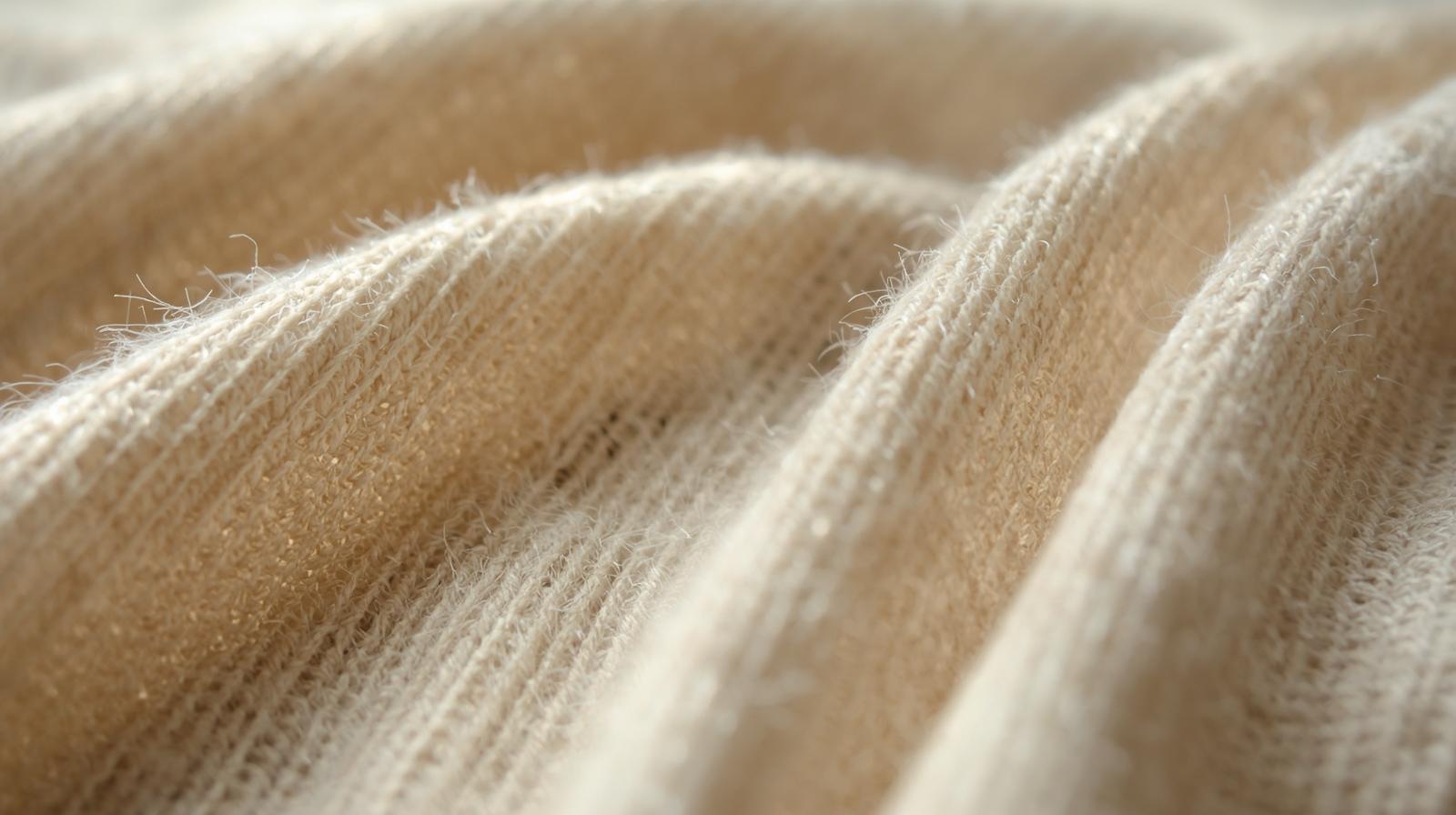
Recycled Polyester Knit Fabric: Sustainable, Durable and Scalable for Modern Apparel Production
Why Recycled Polyester Has Become a Core Sourcing Material
In today’s apparel supply chain, sustainability is no longer limited to brand storytelling. Buyers are under real pressure—from regulations, retailers, and end consumers—to demonstrate measurable environmental improvements.
Recycled polyester knit fabric (rPET) responds to this shift because it solves several problems at once:
-
Reduces dependence on virgin fossil-based materials
-
Utilizes post-consumer plastic waste at scale
-
Maintains performance consistency required by industrial garment production
At Succeed Textile, recycled polyester knits are developed not as “specialty eco fabrics,” but as production-ready materials designed to fit into existing manufacturing workflows with minimal disruption.
From Plastic Waste to Industrial-Grade Knit Fabric
Recycled polyester yarn is produced through a multi-stage process that directly affects fabric quality. Understanding this chain is essential for buyers evaluating long-term reliability.
Key Production Stages
-
Waste Collection & Sorting
Post-consumer PET bottles are collected, sorted by polymer type and color, and cleaned to remove contaminants. -
Mechanical Recycling & Pelletizing
Bottles are shredded, melted and re-extruded into rPET pellets. Quality control at this stage determines yarn strength and uniformity. -
Spinning & Filament Control
Pellets are spun into filament yarns with controlled denier and tensile properties, comparable to virgin polyester. -
Knitting & Finishing
Yarns are knitted into jersey, interlock, rib or double-knit structures, then finished for dimensional stability and surface performance.
According to Textile Exchange, rPET production can reduce greenhouse gas emissions by up to 60% compared with virgin polyester, depending on energy sources and recycling methods.
Technical Performance That Meets Manufacturing Standards
One of the most common buyer concerns is whether recycled polyester can match the performance of conventional polyester. In real production environments, the answer is yes—when yarn quality and process control are stable.
Fabric Performance Metrics
-
Tensile Strength: Comparable to virgin polyester
-
Dimensional Stability: Shrinkage controlled within 2–3%
-
Abrasion Resistance: Suitable for daily-wear garments
-
Color Fastness: Level 4–5 under ISO washing tests
-
Moisture Management: Hydrophobic fiber structure supports quick-dry finishes
All recycled polyester knit fabrics supplied by Succeed Textile comply with OEKO-TEX® Standard 100, ensuring safety for direct skin contact.
Recycled Polyester vs. Virgin Polyester: A Practical Comparison
| Evaluation Factor | Virgin Polyester Knit | Recycled Polyester Knit |
|---|---|---|
| Environmental Impact | High carbon footprint | Significantly reduced emissions |
| Fiber Consistency | Very stable | Stable with certified sourcing |
| Production Adaptability | Standard | Fully compatible |
| Cost at Scale | Predictable | Competitive in bulk |
| Brand Sustainability Claims | Limited | Strong, verifiable |
For many buyers, the decision is no longer about whether recycled polyester works—but whether their supply chain can support traceability and certification consistently.
How Succeed Textile Manages rPET at Scale
Succeed Textile approaches recycled polyester as a system, not a single fabric type.
Our Production Capabilities
-
Certified Raw Materials: GRS-certified recycled yarns with batch traceability
-
Fabric Structures: Jersey, interlock, rib knit, double knit, brushed knit
-
Blending Options: rPET + spandex for stretch performance
-
Functional Finishes: Moisture-wicking, anti-pilling, UV protection
-
Color Control: ΔE < 1 across repeat orders
This approach helps OEM and private-label buyers reduce sampling rounds and avoid inconsistency between development and bulk production.
Apparel Applications That Benefit Most from rPET Knits
| Apparel Category | Why rPET Works Well | Typical GSM |
|---|---|---|
| Activewear & Sportswear | Durable, quick-dry, stretch-compatible | 140–220 |
| Casual T-shirts & Tops | Lightweight, breathable | 120–200 |
| Outerwear Linings | Smooth surface, abrasion resistance | 120–180 |
| Children’s Apparel | Certified safety, durability | 150–200 |
| Corporate & Uniform Programs | Sustainability compliance | 160–240 |
| Eco-Focused Fashion Lines | Traceable environmental impact | 140–260 |
Many brands now standardize rPET knits across multiple product lines to simplify sourcing while strengthening sustainability credentials.
Buyer Questions We Commonly Receive
Q1: Does recycled polyester affect fabric lifespan?
No. With modern spinning technology, durability is equivalent to virgin polyester in most garment categories.
Q2: Can recycled polyester knits be brushed or structured?
Yes. Brushed surfaces, double knits and textured constructions are all available.
Q3: How do certifications support brand compliance?
GRS certification provides traceability from raw material to finished fabric, supporting audits and retailer requirements.
Q4: Is minimum order quantity higher for rPET fabrics?
In most cases, MOQ aligns closely with conventional polyester programs due to scalable supply.
Sustainable Knits Designed for Real Production
Recycled polyester knit fabric is no longer an experimental option—it is a mainstream solution for manufacturers balancing sustainability targets with operational efficiency.
At Succeed Textile, our rPET knits are developed to meet the expectations of sourcing teams, designers and compliance managers alike, offering dependable performance backed by verified data.
Explore our recycled fabric range on the homepage or contact our team via the contact page
to request samples, certifications or OEM development support.