Fleece Quality Is Proven During Wear Cycles, Not at Sampling
Fleece garments rarely fail at the sampling stage. At first touch, most fleece fabrics feel warm, full and visually appealing. The real evaluation begins after garments enter daily use—when they are worn for long hours, compressed under backpacks, folded during storage, and washed repeatedly. This is where weaknesses appear. Flattened surfaces, visible pilling and declining warmth often surface within weeks, not years.
For wholesale buyers, fleece knit fabric is therefore not a low-risk category. A fabric that performs inconsistently after delivery can quickly generate returns and damage brand perception. At Succeed Textile, fleece development starts from wear-cycle behavior, focusing on how fabrics react after repeated compression and laundering rather than short-term appearance.
Knit Structure Controls Warmth Retention Over Time
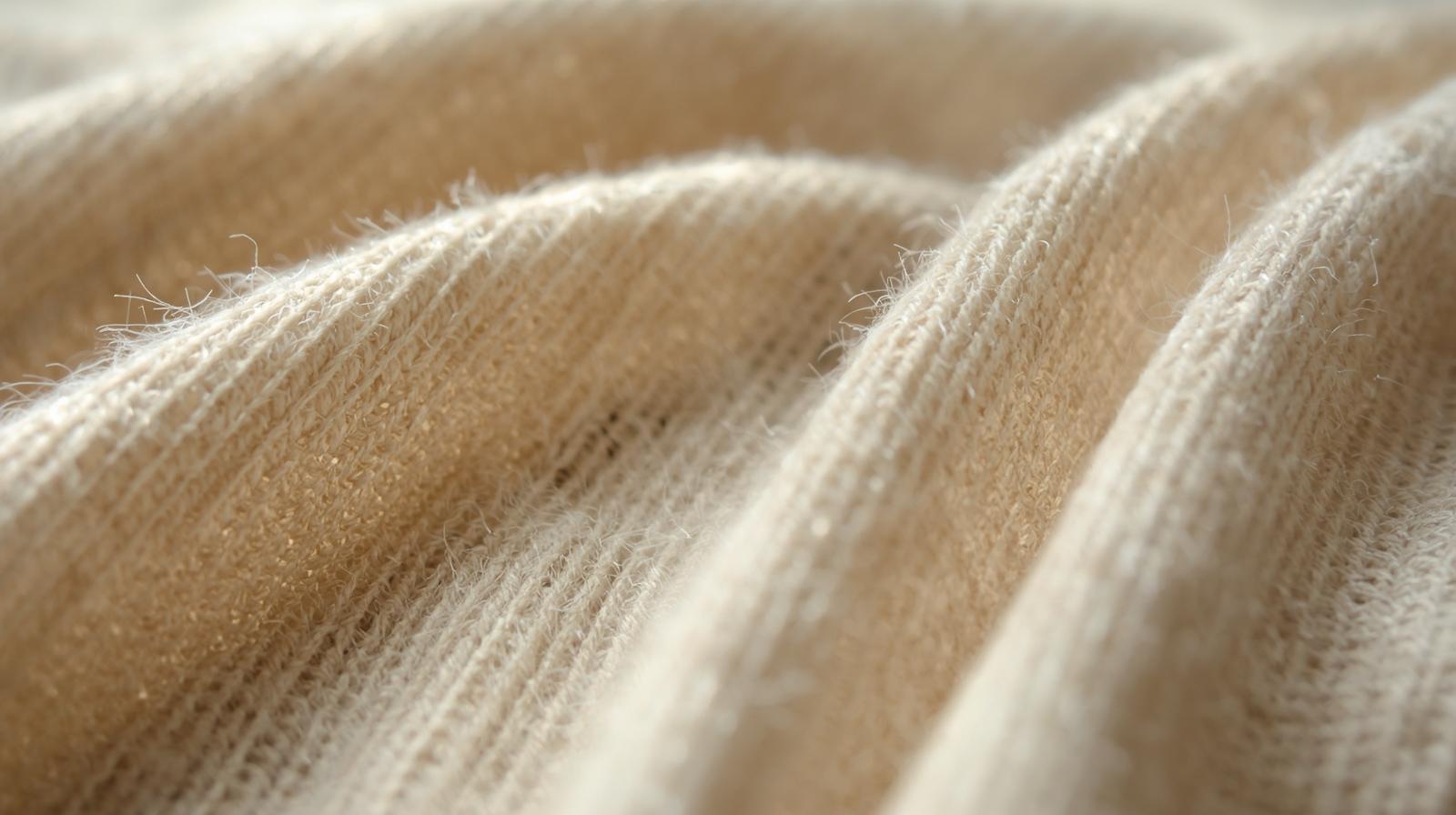
Brushed fleece surfaces trap air, but warmth retention depends on whether that surface can recover. The knit structure beneath the brushing plays a decisive role. If loop density is insufficient or yarn tension varies across the fabric width, brushed fibers lose anchoring points and collapse permanently.
Well-developed fleece knit fabrics demonstrate:
-
Even loop distribution to support brushed fibers
-
Stable stitch formation that resists deformation
-
Consistent surface height across panels
-
Recovery after folding and compression
In bulk production, these structural factors help maintain uniform warmth throughout the garment, preventing cold zones that often lead to consumer complaints.
Surface Behavior Determines Garment Lifespan
Fleece fabrics face constant friction at elbows, cuffs, seat areas and underarm zones. Comfort attracts customers initially, but surface behavior determines how long garments remain wearable. Excessively soft fleece may feel appealing at first, yet often pills faster when fiber anchoring is weak.
Our wholesale fleece programs are designed around a controlled relationship between softness and durability. By managing yarn resilience and brushing depth, surface degradation can be slowed while preserving comfort. This is especially important for garments intended for frequent use, such as sweatshirts, uniforms and casual outer layers.
Production Stability Is a Key Wholesale Requirement
Fleece garments are commonly produced in large volumes, where minor fabric variation multiplies into significant cost. Inconsistent fabric width affects cutting layouts, while unstable weight leads to size variation across batches.
At Succeed Textile, fleece knit fabric wholesale emphasizes:
-
GSM control within ±4–6% across rolls
-
Pre-relaxed fabric delivery to reduce distortion
-
Consistent brushing depth between dye lots
-
Predictable shrinkage behavior during washing
These controls support efficient cutting, consistent sizing and smoother production flow in bulk manufacturing environments.
Performance Changes Observed During Use
| Performance Indicator | After 5 Washes | After 10 Washes | After 20 Washes |
|---|---|---|---|
| Loft retention | 92–95% | 85–90% | 72–80% |
| Fabric thickness loss | 3–5% | 7–10% | 12–18% |
| Surface pilling coverage | <5% area | 8–12% area | 15–25% area |
These figures reflect internal evaluation benchmarks commonly applied when assessing fleece suitability for wholesale apparel programs, illustrating how structure and surface treatment influence long-term performance.
Buyer Questions from Wholesale Programs
Q: Does heavier fleece always deliver better warmth?
A: Not necessarily. Without proper loft recovery, heavier fabrics can lose insulation quickly.
Q: Why does fleece feel thinner after washing?
A: Flattening occurs when brushed fibers cannot recover due to weak base knit support.
Q: Can fleece fabrics support repeat seasonal orders?
A: Yes, when knit density, brushing parameters and dyeing processes remain consistent.
Q: Is fleece limited to hoodies?
A: It is widely used in sweatshirts, mid-layers, uniforms and casual cold-weather garments.
Wholesale Fleece Knits Developed for Real Production Cycles
Fleece fabrics are judged over time.
Warmth retention, surface condition and fit stability become visible only after garments enter real wear cycles, pass through repeated washing, and experience daily friction. For brands and manufacturers operating at scale, fabric choices made at the sourcing stage determine not only production efficiency, but also post-sale feedback and reorder potential.
At Succeed Textile, our fleece knit fabric wholesale programs are developed around long-term garment performance rather than short-term sampling appeal. We focus on stable knit structures, controlled surface treatment and batch consistency, helping apparel partners reduce quality fluctuations when moving from sampling to bulk production.
If you are evaluating fleece fabrics for hoodies, sweatshirts, mid-layer jackets or uniform programs, our product range and technical approach can support different weight levels, surface finishes and usage scenarios across multiple markets.
You can review our broader knit fabric capabilities, material categories and production scope on our
👉 homepage, where we outline how different knit constructions are applied across apparel lines.
For buyers planning bulk orders, repeat seasonal programs or fabric standardization across multiple styles, early alignment on structure, weight and surface behavior is critical.
If you would like to discuss fleece knit specifications, performance expectations or wholesale supply planning in more detail, our team is available to support technical evaluation and sourcing decisions via our
👉 contact page.