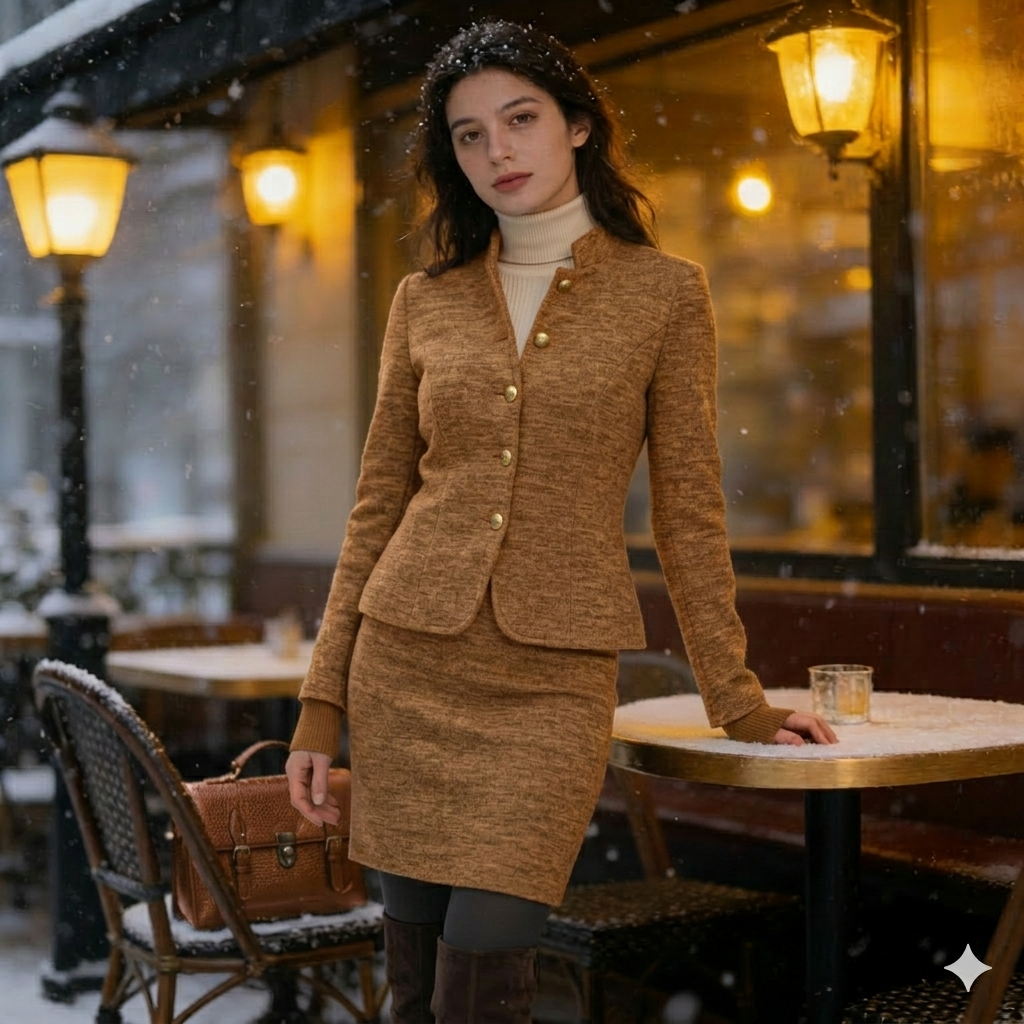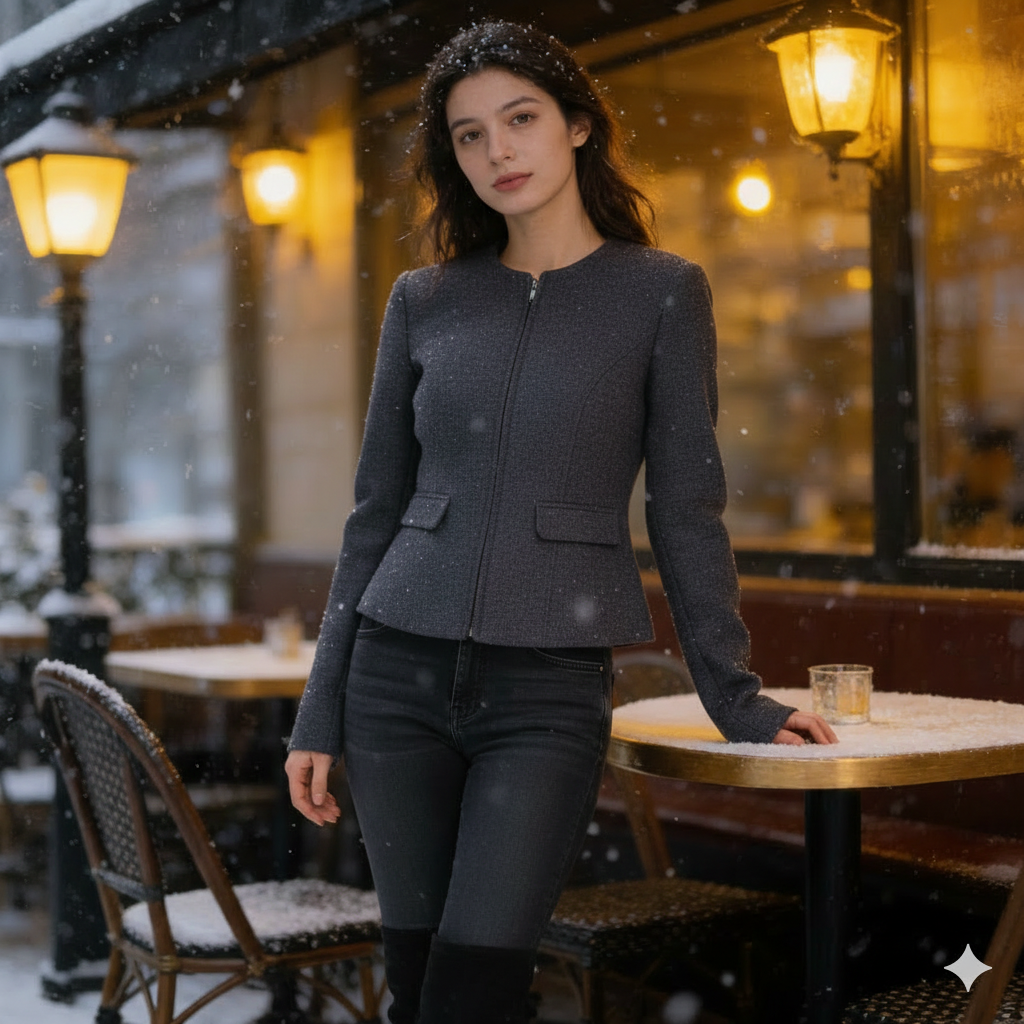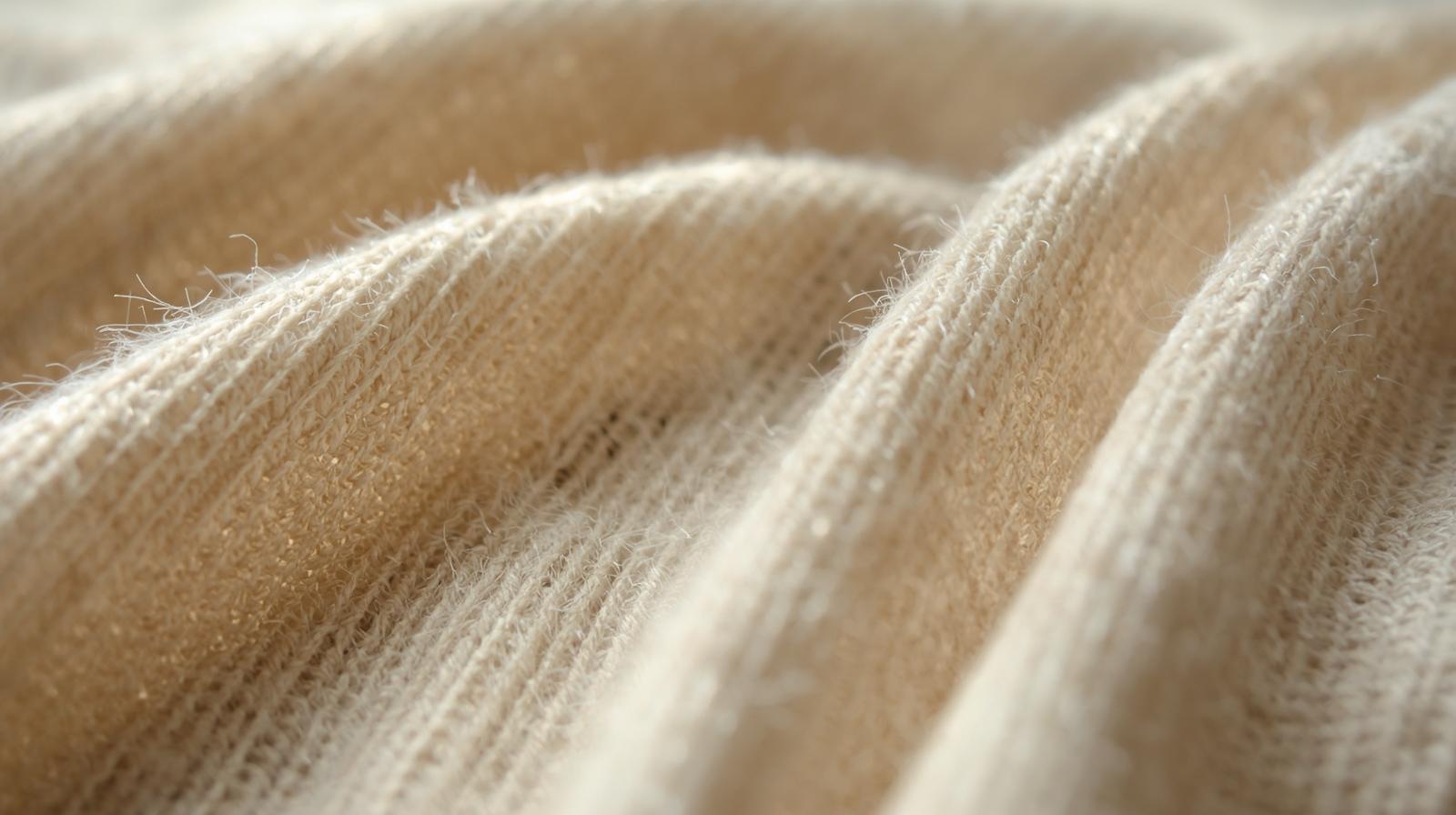
Interlock Fabric for Outerwear Built for Structure, Stability and Seasonal Durability
Outerwear Exposes Weak Fabrics Faster Than Any Other Category
Outerwear does not forgive fabric instability.
Garments are heavier, seams are longer, and panels experience constant stress from movement, layering and temperature changes.
Fabrics that perform well in tops or loungewear often fail when used in jackets or coats. Issues such as sagging hems, twisted sleeves, surface collapse and loss of silhouette typically appear after garments are worn and washed, not at sampling stage.
This is where interlock fabric for outerwear becomes a practical choice—not for softness alone, but for structural control.
At Succeed Textile, interlock knits for outerwear are developed to support garment shape across full seasonal use.
Why Interlock Structure Fits Outerwear Requirements
Interlock fabric is produced using two synchronized needle beds, creating a balanced, double-knit construction.
This symmetry changes how the fabric behaves under weight and stress.
For outerwear, interlock provides:
-
Even tension distribution across panels
-
Reduced edge curling during cutting and sewing
-
Improved resistance to deformation under garment weight
-
Smooth surfaces on both sides, simplifying construction
Unlike single jersey, interlock maintains geometry when garments become heavier due to linings, pockets or trims.
Structure Over Stretch: A Key Shift in Outerwear Knits
While stretch is valued in many knit garments, outerwear prioritizes shape retention and visual structure.
Excessive stretch often leads to:
-
Sleeve length growth
-
Drooping hems
-
Distorted plackets and zippers
Interlock fabric delivers controlled elasticity—enough to allow movement, but limited enough to maintain garment architecture over time.
This balance is critical in knit jackets and hybrid outerwear designs.
Weight and Density in Outerwear Interlock Fabrics
Outerwear interlock fabrics typically operate at higher weights than innerwear knits, but weight alone does not define performance.
Well-engineered interlock fabrics for outerwear focus on:
-
Dense loop formation rather than loose bulk
-
Thickness that supports structure without stiffness
-
Consistent GSM across long production runs
In practice, most outerwear interlock programs fall within a 260–380 GSM range, adjusted based on garment design and layering needs.
Comfort and Wearability Under Layers
Outerwear fabrics must work with other garments, not against them.
Interlock’s smooth surfaces reduce friction when layered over base garments or worn under coats.
Additional comfort-related benefits include:
-
Minimal seam irritation due to uniform surface
-
Stable hand feel across temperature changes
-
Reduced noise and stiffness compared to woven alternatives
These characteristics make interlock suitable for urban outerwear and lifestyle jackets where comfort matters as much as appearance.
Production Stability in Knit Outerwear Manufacturing
Outerwear garments involve larger pattern pieces and longer seams, increasing the risk of fabric distortion during production.
At Succeed Textile, interlock fabrics for outerwear are developed with production flow in mind:
-
Knitting tension is controlled to minimize torque
-
Pre-setting aligns shrinkage behavior before cutting
-
Fabric width is stabilized to support efficient layouts
-
Surface finishing maintains appearance without weakening structure
This reduces rework and improves consistency across sizes and batches.
Where Interlock Fabric Performs Best in Outerwear
Interlock fabric is increasingly used in knit-based outerwear programs where structure and comfort must coexist.
It is particularly effective for:
-
Knit jackets and cardigans
-
Casual coats with minimal lining
-
Hybrid outerwear combining knit and woven panels
-
Transitional season outerwear
-
Urban lifestyle jackets
Design teams often use one interlock base fabric to support multiple silhouettes, simplifying material management.
Buyer Questions That Shape Outerwear Fabric Decisions
Will interlock fabric sag under garment weight?
When density and knitting tension are controlled, interlock maintains shape effectively.
Is interlock warm enough for outerwear?
Interlock provides insulation through density and air retention, and can be paired with linings when needed.
Does interlock complicate zipper or placket construction?
Its stability often improves alignment compared to single jersey fabrics.
Can interlock support repeat seasonal orders?
Yes, when supplier process control ensures consistent structure and weight.
Interlock Knits Designed for Outerwear Reality
Outerwear succeeds when fabrics maintain structure, comfort and appearance across months of use.
Interlock fabric for outerwear delivers this balance by combining controlled elasticity with reliable geometry.
At Succeed Textile, interlock fabrics are developed to support long-term outerwear programs, not short-lived styles.
Explore our interlock fabric capabilities on the
👉 homepage
or discuss outerwear fabric specifications and bulk programs via our
👉 contact page