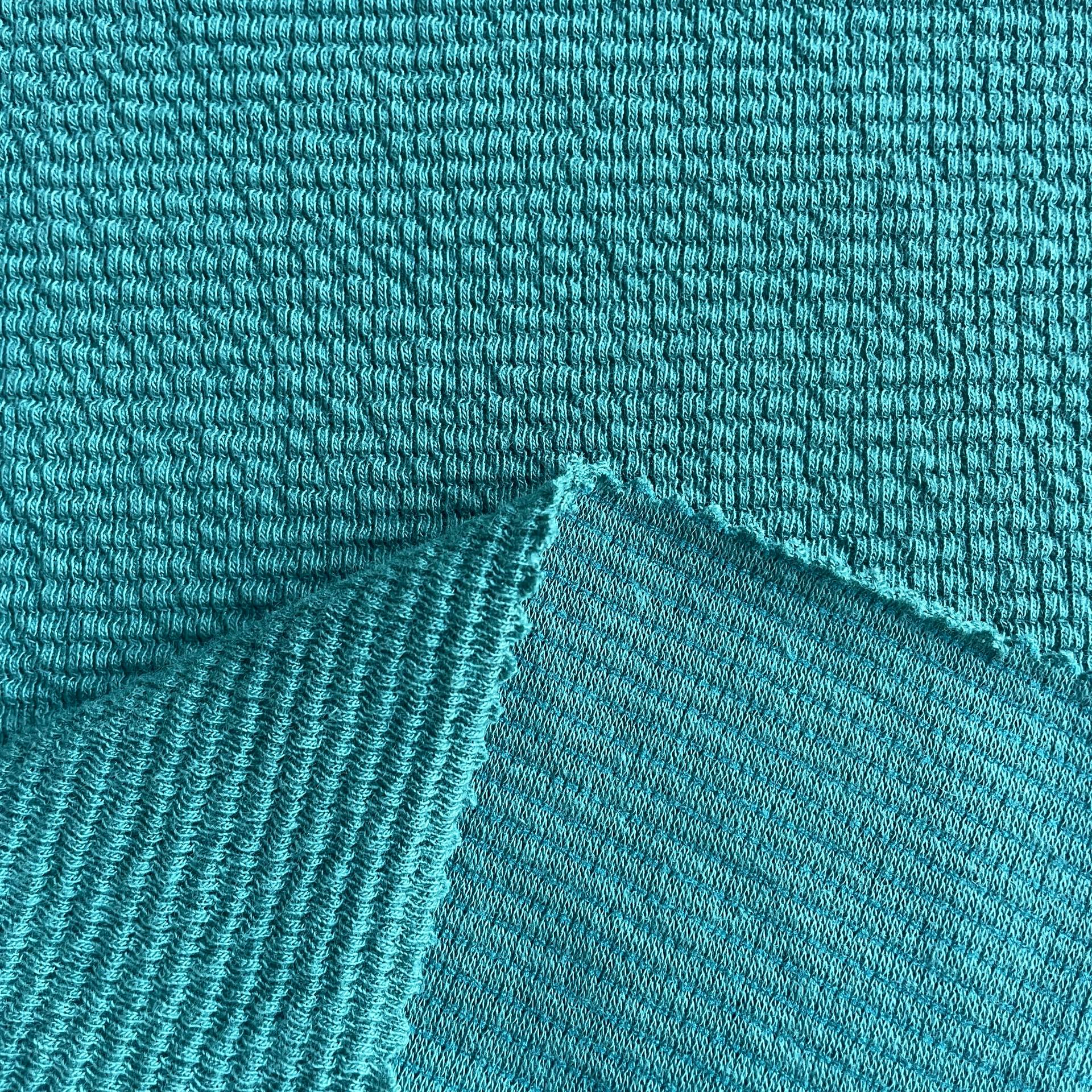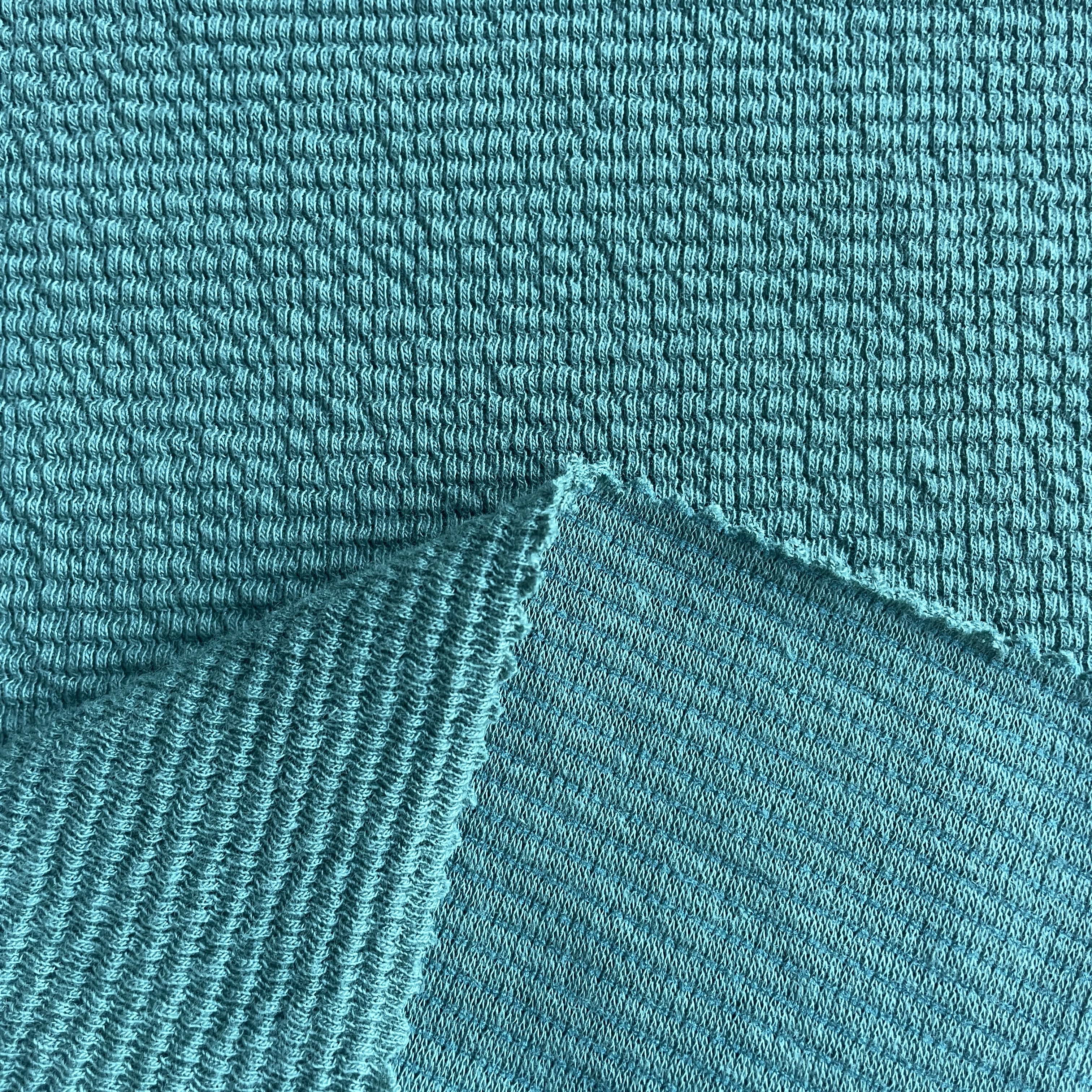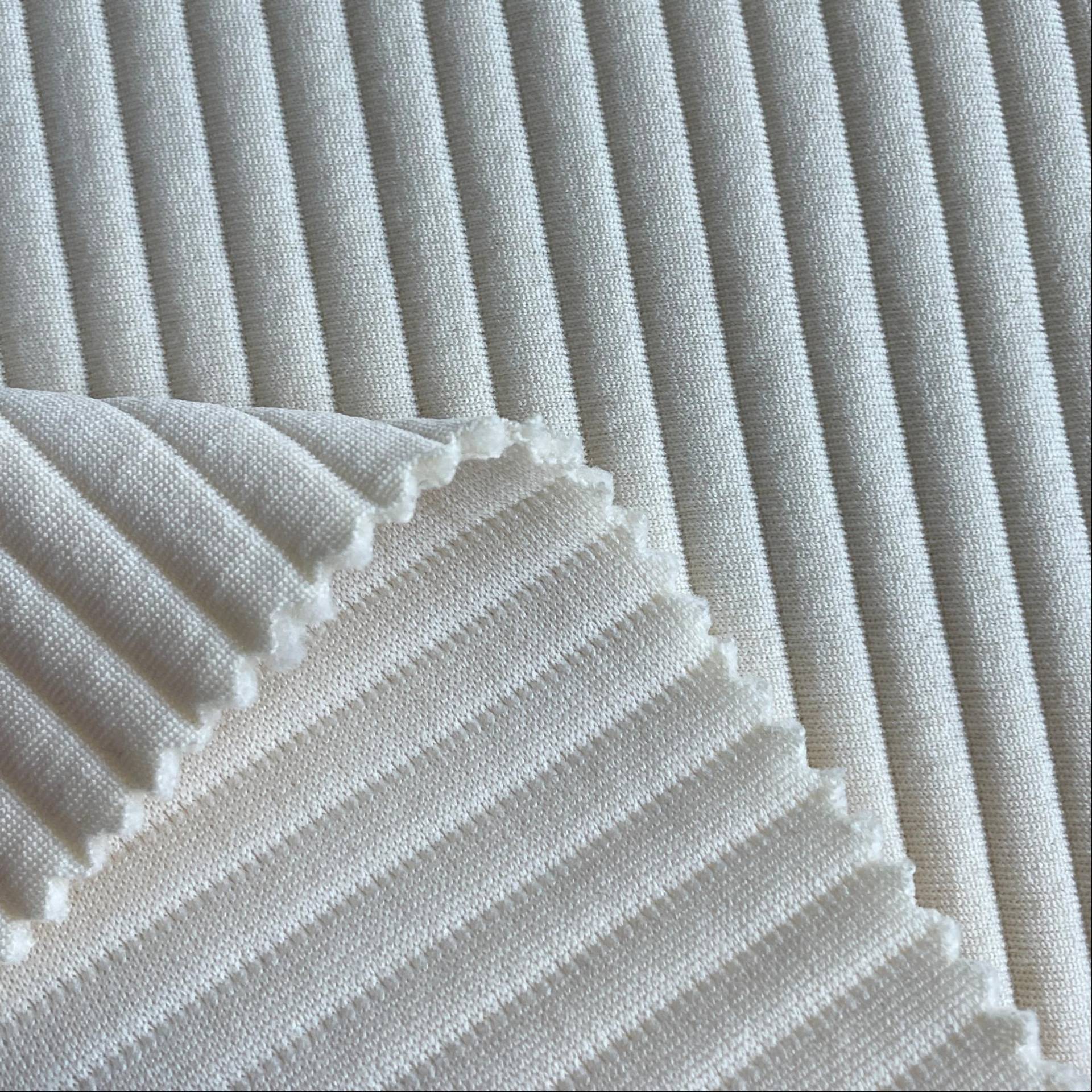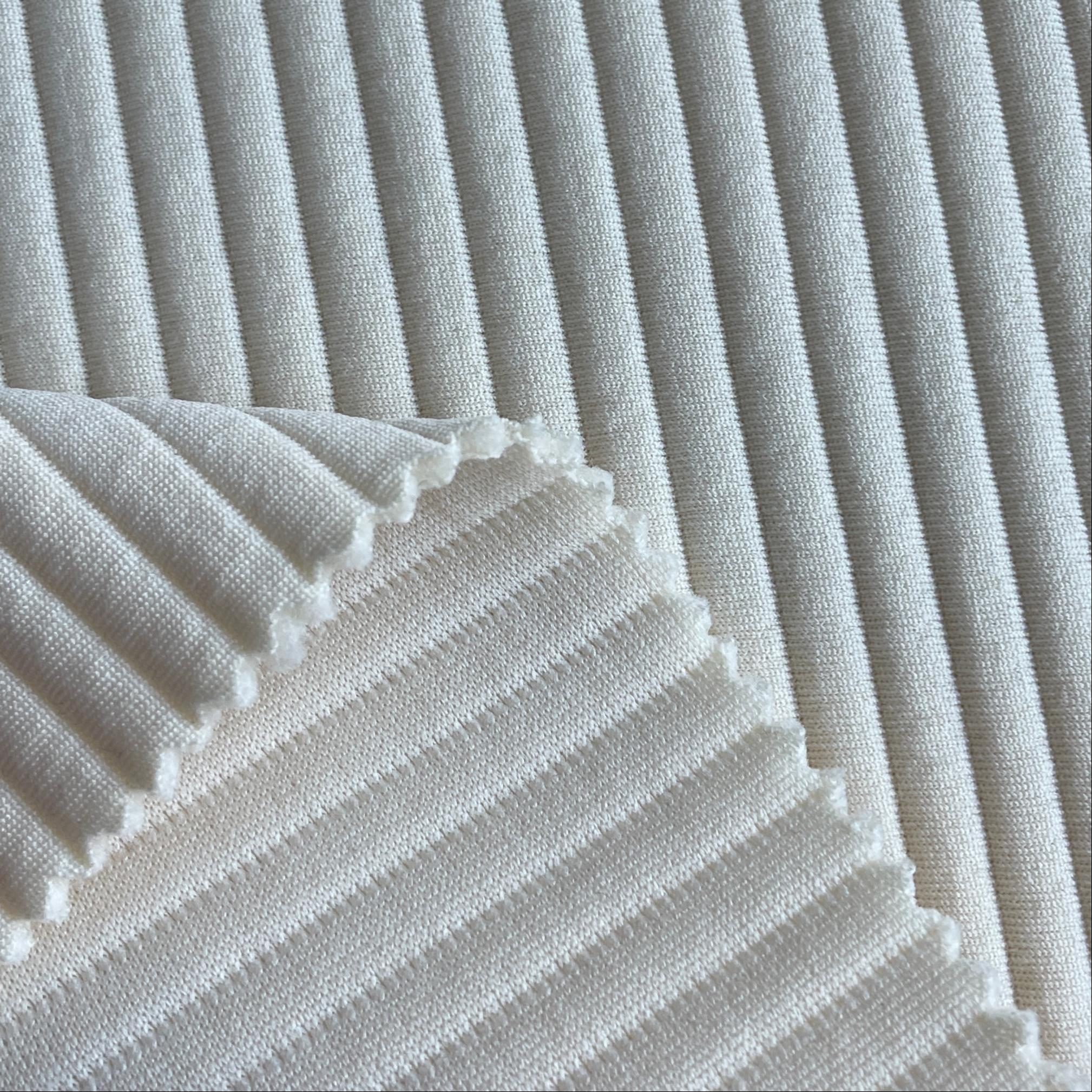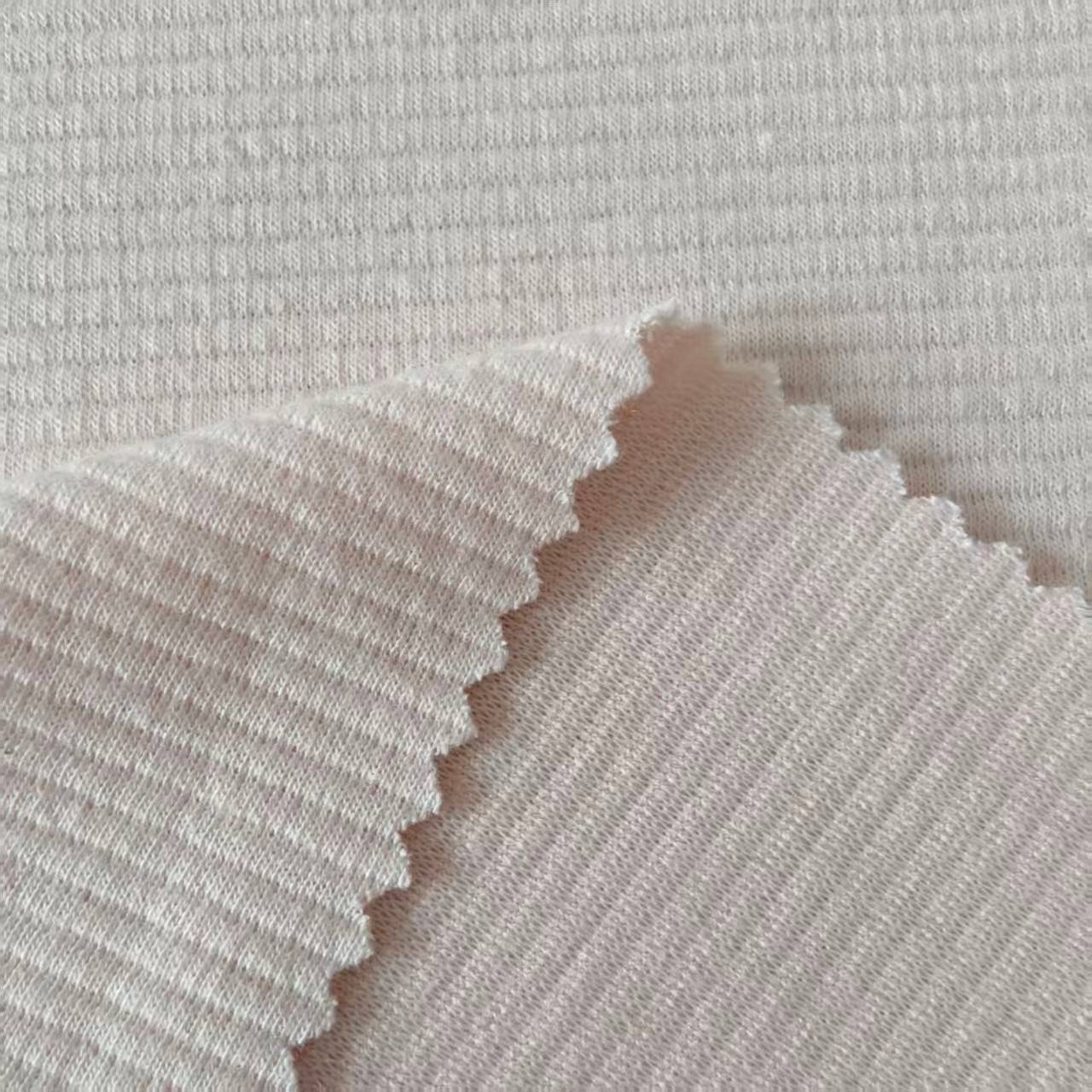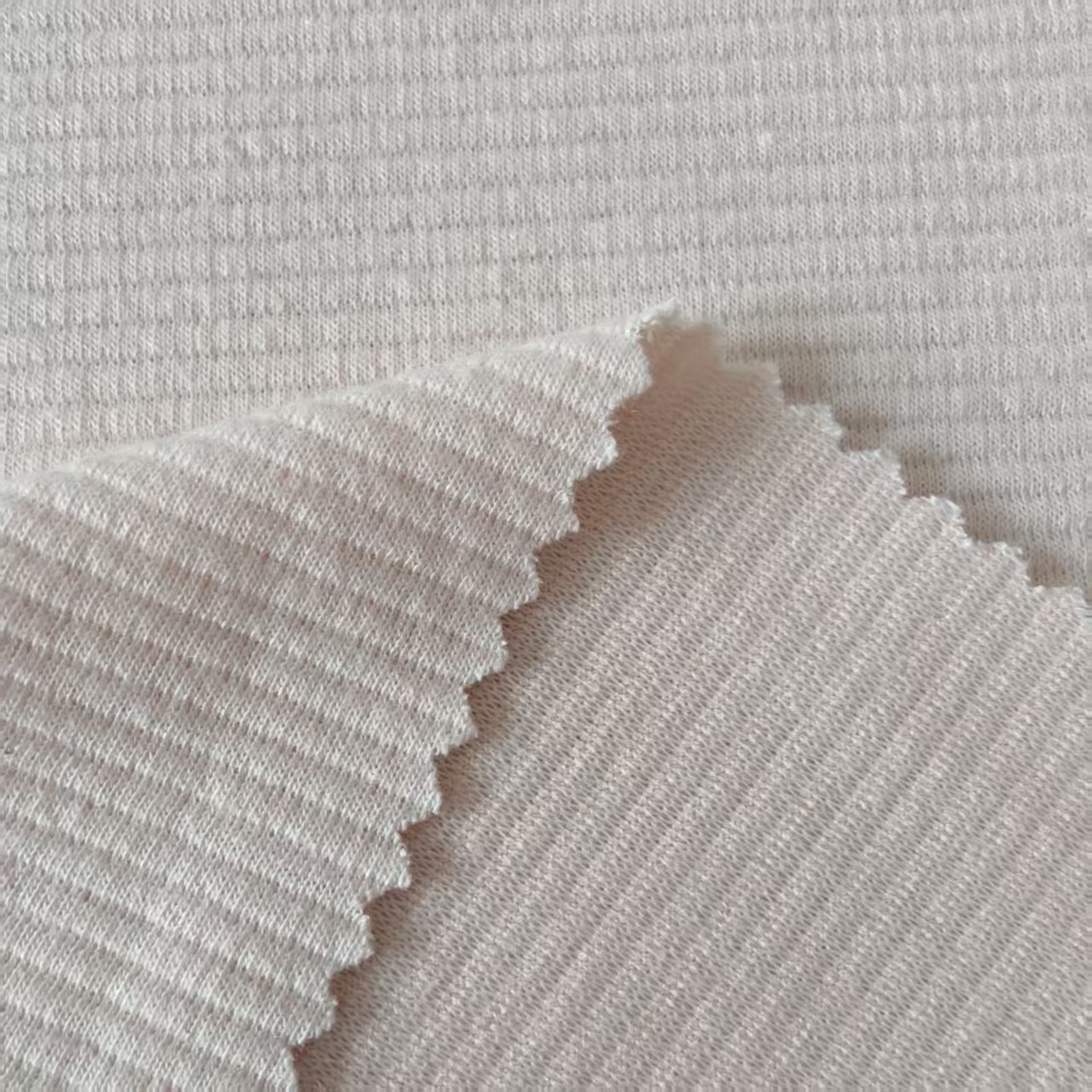
Exploring ottoman fabric types opens up a world of possibilities for designers and fashion enthusiasts alike. Ottoman fabric, known for its distinctive ribbed structure, derives its name from the Ottoman Empire, reflecting a rich historical tapestry woven into modern textiles. This fabric features a corded or ridged surface created through a specialized weaving technique that alternates thick and thin yarns, resulting in a textured appearance that's both visually appealing and tactilely engaging. Among the various ottoman fabric types, the most common include classic cotton ottoman, luxurious silk variants, and durable polyester blends, each offering unique benefits for apparel and upholstery applications. Whether you're crafting elegant evening wear or comfortable home furnishings, understanding these types ensures you select the perfect material for your project.
When delving into ottoman fabric samples, you'll encounter a diverse array to suit every aesthetic preference. These samples often showcase the fabric's versatility, from smooth, fine-ribbed versions ideal for lightweight garments to heavier, pronounced-ribbed options perfect for structured pieces like jackets or cushions. Examining ottoman fabric samples allows you to feel the weight, assess the drape, and evaluate the stretch—key factors in determining suitability for end-use. For instance, a sample of wool-blended ottoman might highlight its warmth for winter collections, while a synthetic sample could emphasize easy care and wrinkle resistance. By handling these samples, creators can make informed decisions that enhance the overall quality and longevity of their designs.
Learning how to choose ottoman fabric requires considering several elements to match your specific needs. Start by evaluating the fiber content: natural fibers like cotton or silk provide breathability and a premium feel, whereas synthetics offer affordability and resilience. Think about the intended use—delicate ottoman types work well for scarves and blouses, while robust ones suit bags or upholstery. Durability, colorfastness, and maintenance are also crucial; opt for fabrics treated for stain resistance if versatility is key. To choose ottoman fabric effectively, test for elasticity to ensure it accommodates movement without losing shape, and consider environmental impact by selecting sustainable options where possible. This thoughtful approach guarantees a fabric that not only looks stunning but performs exceptionally over time.
Colorful ottoman fabric brings vibrancy and personality to any creation, transforming ordinary designs into eye-catching statements. Available in a spectrum from bold primaries to subtle pastels, these fabrics leverage their ribbed texture to amplify color depth, creating dimension that flatters various lighting conditions. Imagine a vibrant red ottoman type for festive dresses or a serene blue for nautical-themed decor— the possibilities are endless. When selecting colorful ottoman fabric, pay attention to dye quality to prevent fading, ensuring the hues remain true wash after wash. This variety not only enhances visual appeal but also allows for creative mixing in patterns and prints, making it a favorite for contemporary fashion lines and interior accents.
The process of ottoman fabric manufacturing involves intricate steps that blend tradition with cutting-edge technology. It begins with yarn preparation, where selected fibers are spun into robust threads capable of forming the signature ridges. Looms then interlace these yarns in a patterned weave, controlling the rib height and density to produce different ottoman fabric types. Advanced manufacturing incorporates eco-friendly dyes and finishes to meet modern sustainability standards, reducing water usage and chemical waste. Quality control is paramount, with rigorous testing for tensile strength and color uniformity. Ottoman fabric manufacturing has evolved to include automated machinery for precision, yet skilled artisans often oversee the final touches, preserving the craft's heritage. This meticulous production ensures that every yard of fabric delivers reliability and elegance, supporting innovative designs across industries.
SKD
SKD
Description
Additional Information
Privacy Policy