Eco Knit Fabric Wholesale Trends 2025: Sustainability Meets Scalability
A Market Shift That Goes Beyond Marketing
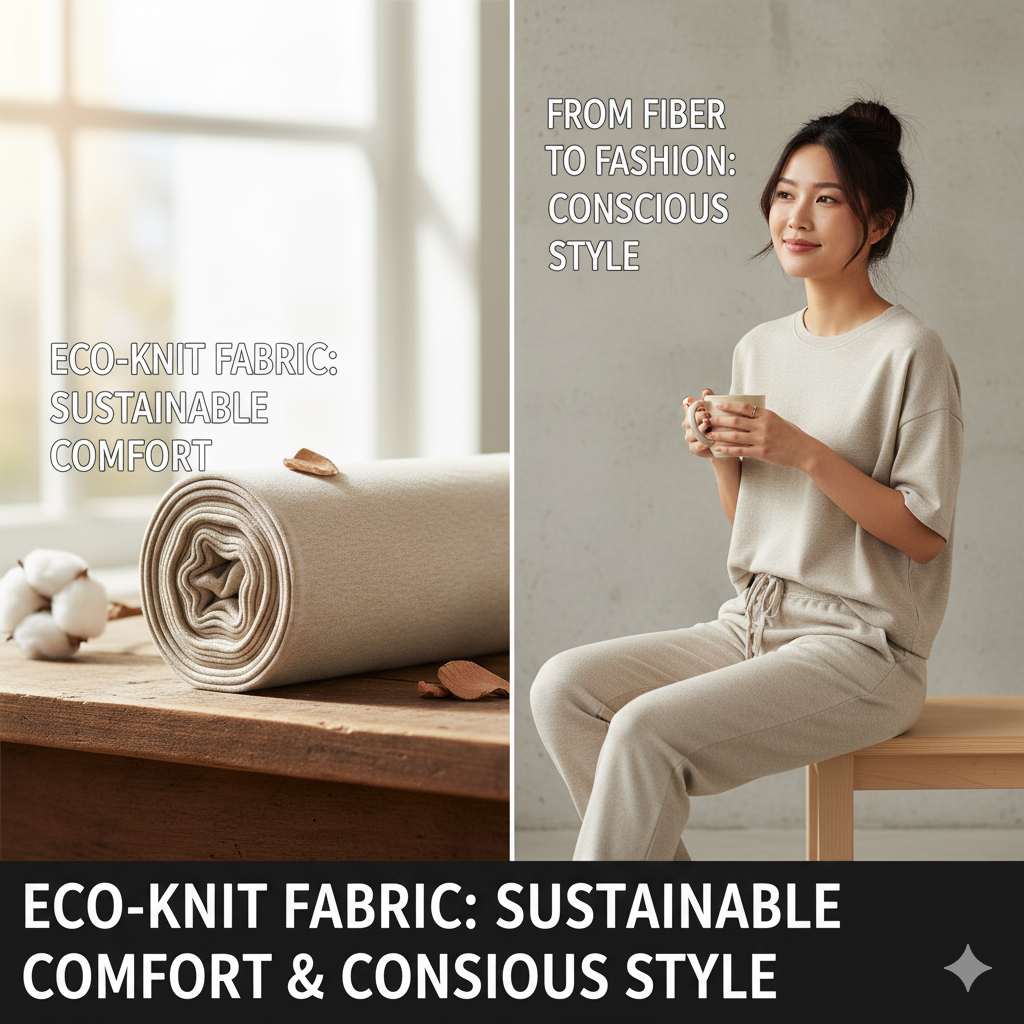
The global demand for eco-friendly textiles is no longer driven by branding slogans — it’s built on measurable performance and verified supply chains. Brands sourcing from China’s eco knit fabric wholesale sector increasingly ask for transparency: what is the yarn origin, water usage, and carbon footprint?
Reports by McKinsey & Company (2024) show over 70 % of global apparel CEOs plan to shift at least one-third of their material portfolio to verified sustainable fibers within three years.
For textile exporters and buyers alike, this means eco knit fabrics are not a trend — they are the new baseline.
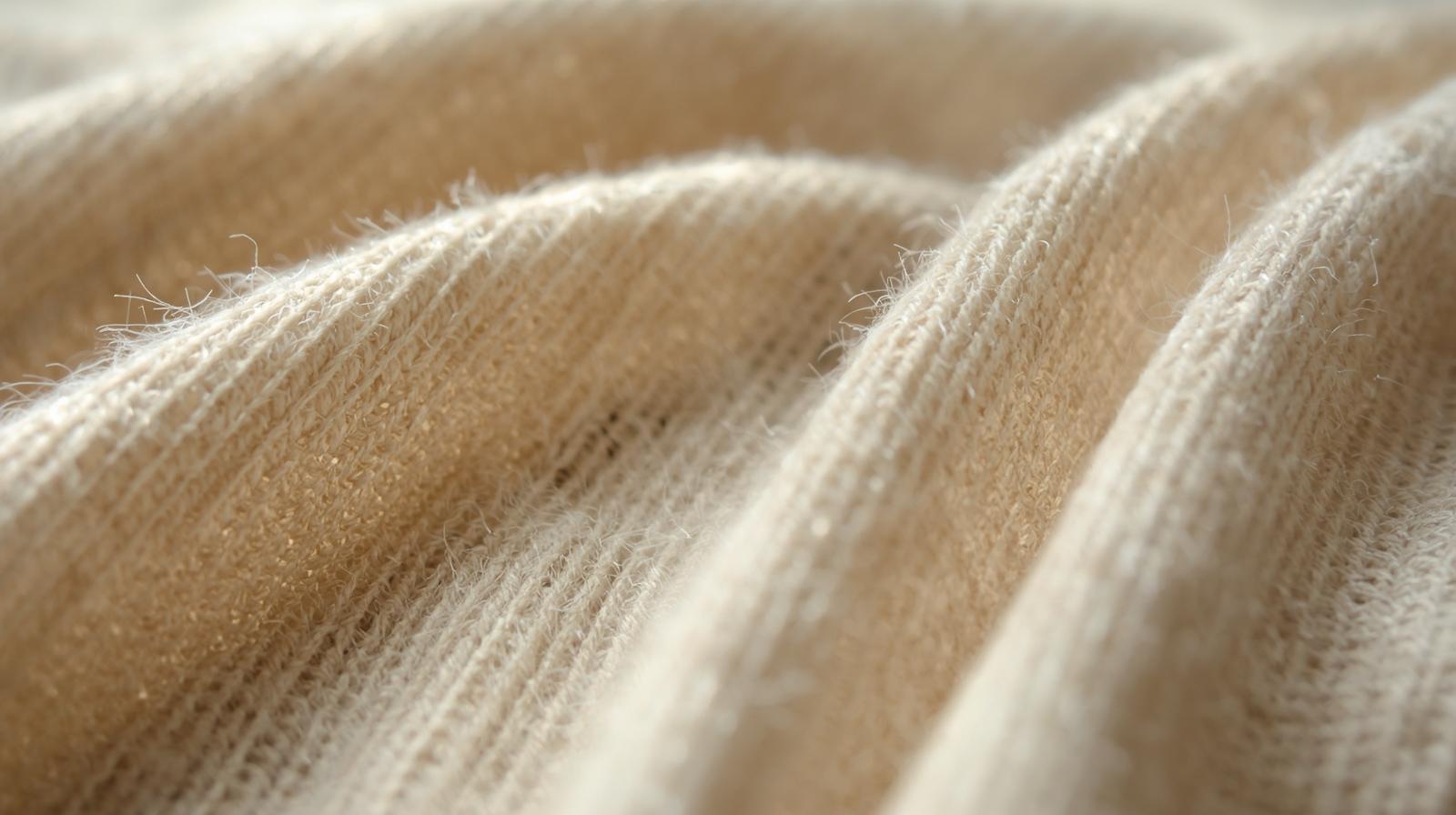
Inside the Fabric: How Eco Knitting Changes the Equation
Sustainable knitting combines responsible materials with cleaner production. Key innovations include:
-
Recycled Polyester and Nylon Yarns: Derived from post-consumer PET bottles and industrial waste.
-
Organic Cotton and Bamboo Blends: Naturally renewable and chemical-light in cultivation.
-
Waterless Dyeing Technologies: Use supercritical CO₂ systems to eliminate wastewater discharge.
-
Low-Temperature Finishing: Reduces energy use by up to 30 %.
Certification systems like OEKO-TEX® Standard 100 and Textile Exchange standards ensure that these materials meet international environmental and safety requirements.
Comparing Conventional vs. Eco Knit Wholesale
| Criteria | Conventional Knits | Eco Knit Fabrics |
|---|---|---|
| Raw Material | Virgin polyester / cotton | Recycled or organic fibers |
| Energy Usage | High | Reduced by 20 – 35 % |
| Chemical Impact | Reactive dyes, softeners | Waterless or plant-based finishes |
| Traceability | Limited | Full batch tracking |
| Market Value | Cost driven | Sustainability premium |
While unit costs are slightly higher, long-term ROI improves through lower compliance risk, stronger brand equity, and reduced rework caused by quality fluctuations.
Why Wholesale Buyers Are Switching to Eco Knits
-
Compliance Pressure: European and Korean buyers face ESG regulations requiring verified materials.
-
Consumer Transparency: End users expect QR-based traceability on garment labels.
-
Consistent Performance: Modern eco knits match the durability of conventional fabrics.
-
Supply Resilience: Integrated mills offer stable lead times and certified yarn sourcing.
Together these factors make eco knit fabric wholesale a strategic investment rather than a marketing cost.
Fabric Types Leading the Green Shift
-
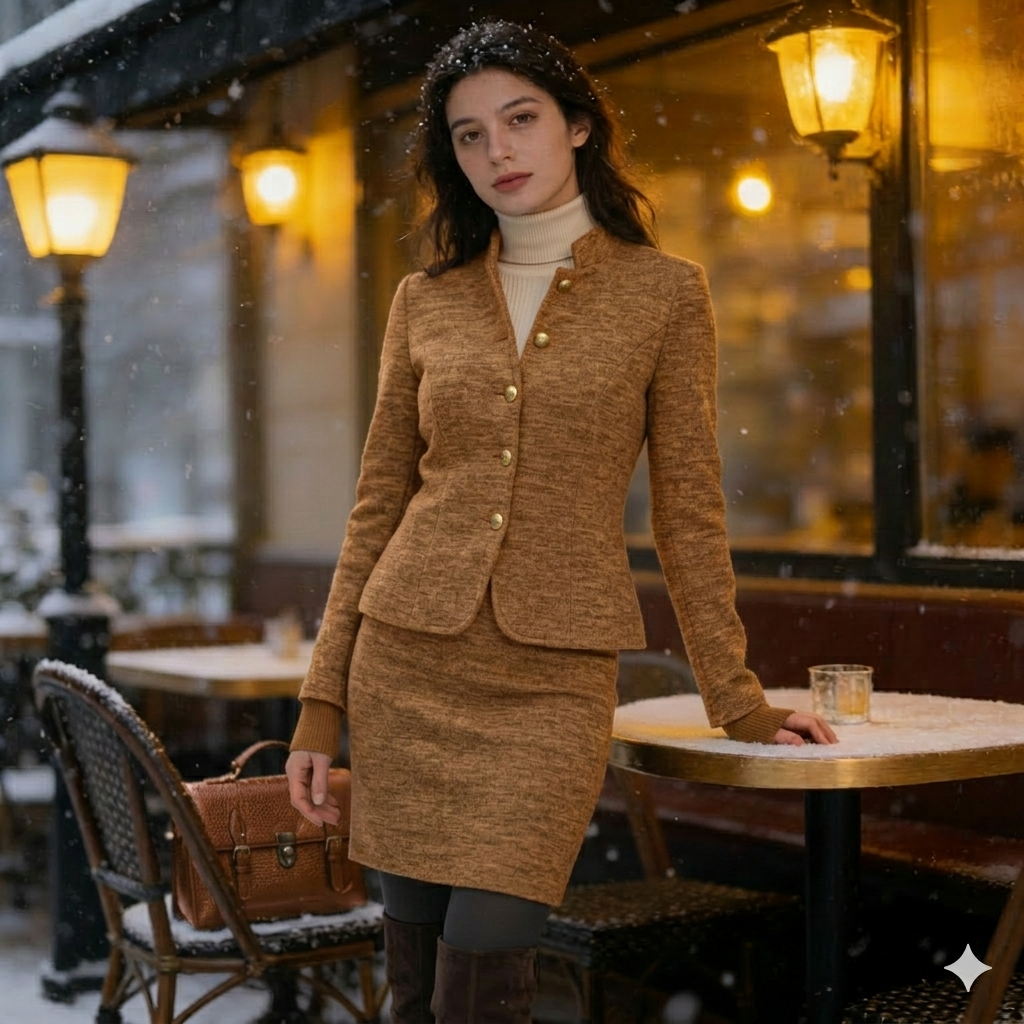
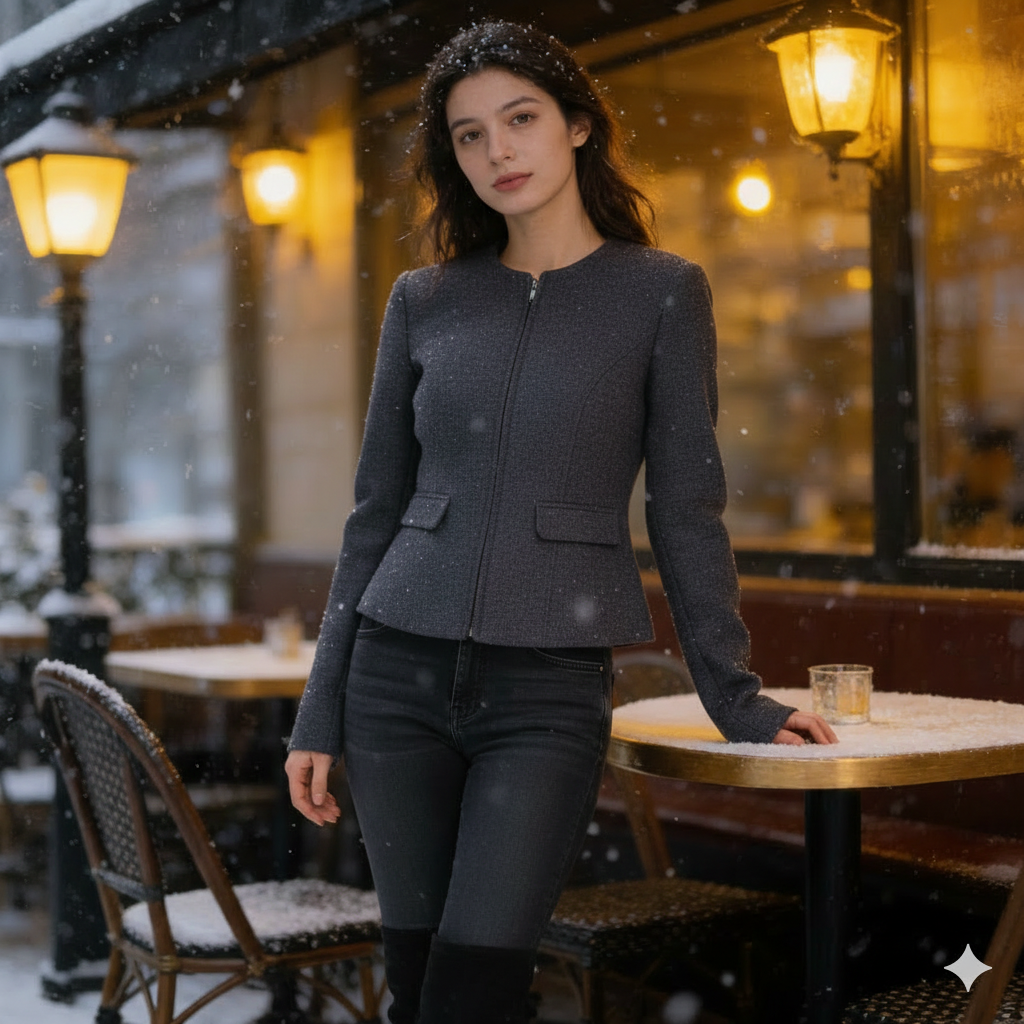
Interlock Eco Knits: Double-layer thermal design, ideal for coats and jackets.
-
Jersey Eco Knits: Soft stretch options for casualwear and baby apparel.
-
Bonded Eco Fabrics: Combine recycled membranes for wind-resistant outerwear.
-
Rib and Spacer Knits: Lightweight with moisture control for sportswear.
Each structure is adaptable to custom GSM and finishing requirements, allowing manufacturers to balance design freedom and sustainability.
Practical Guidelines for Wholesale Buyers
-
Request Certificates: Confirm GRS or OEKO-TEX documents before bulk orders.
-
Evaluate Yarn Blend Ratios: Higher recycled content boosts ESG scores.
-
Check GSM and Shrinkage Reports: Consistency reduces cutting loss.
-
Audit Supplier Energy Use: Reliable mills disclose kilowatt-hour reductions per kg of fabric.
-
Sample Testing: Perform wash and colorfastness tests under production conditions.
These steps turn a “green choice” into a data-backed procurement decision.
Frequently Asked Questions
Q1: Are eco knit fabrics more expensive than regular fabrics?
Slightly — usually 5 – 10 % higher per meter, but savings come from fewer defects and higher brand value.
Q2: Can eco knit fabrics be dyed in bright colors?
Yes, new low-impact pigments achieve vivid tones while meeting environmental standards.
Q3: What is the MOQ for eco knit fabric wholesale orders?
Typically 500–800 meters per color, depending on fiber blend and finishing.
Q4: How do buyers verify authenticity?
Check for traceable QR labels and cross-verify certificate numbers on the Textile Exchange database.
Redefining Textile Growth Through Responsibility
The future of knitted textiles belongs to manufacturers who can align volume production with sustainability metrics. At Succeed Textile, we continue to expand our eco product range — from interlock and bonded knits to organic jersey and rib series — offering clients reliability, design flexibility and environmental integrity.
By partnering with certified yarn suppliers and adopting digitalized quality monitoring, we help brands achieve their sustainability goals without compromising efficiency or creativity.
Our vision is clear: to build a textile future where eco production is not an option — but the standard.
For technical information or sample requests, visit our homepage or contact our team here.