Interlock Fabric for Outerwear: Balancing Warmth, Structure & Style
When Outerwear Needs Both Structure and Softness
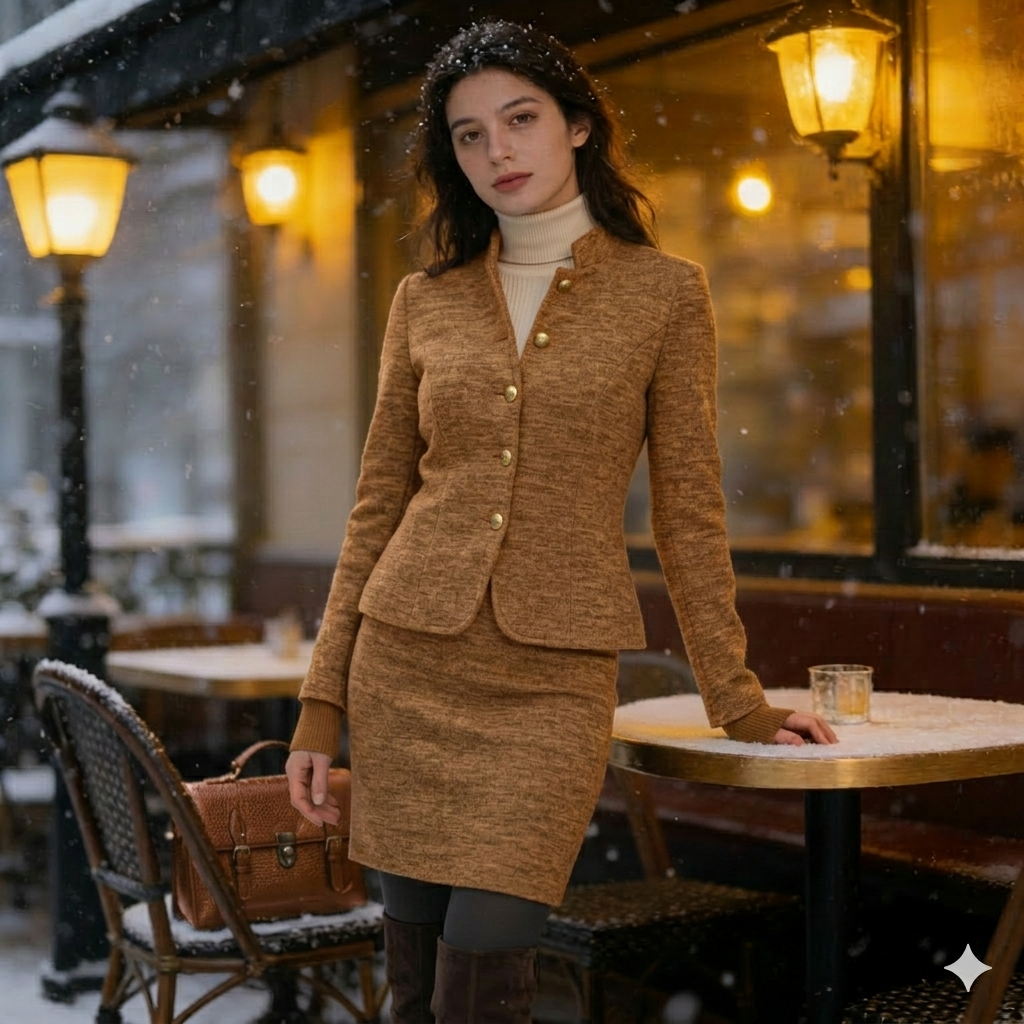
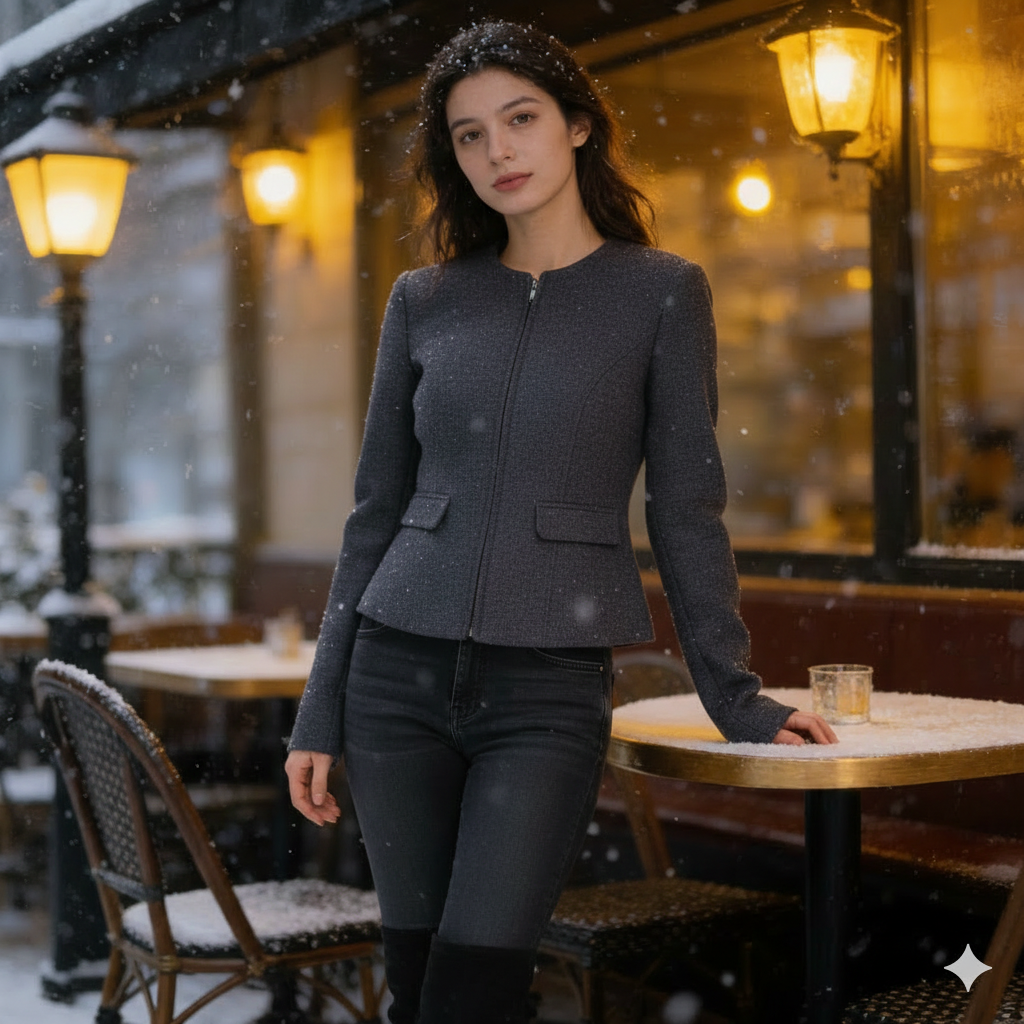
Designing jackets or coats means walking a fine line — buyers want garments that hold their silhouette yet remain comfortable through long wear. Traditional woven fabrics give rigidity but limit stretch; single knits add flexibility but lose shape. Interlock fabric for outerwear resolves this contradiction.
Its double-knit construction interlocks two layers of loops, producing a denser body that drapes cleanly and resists distortion. Brands appreciate how this structure supports modern tailoring — structured shoulders, curved seams — while delivering an unmistakably soft touch.
The Engineering Inside the Fabric
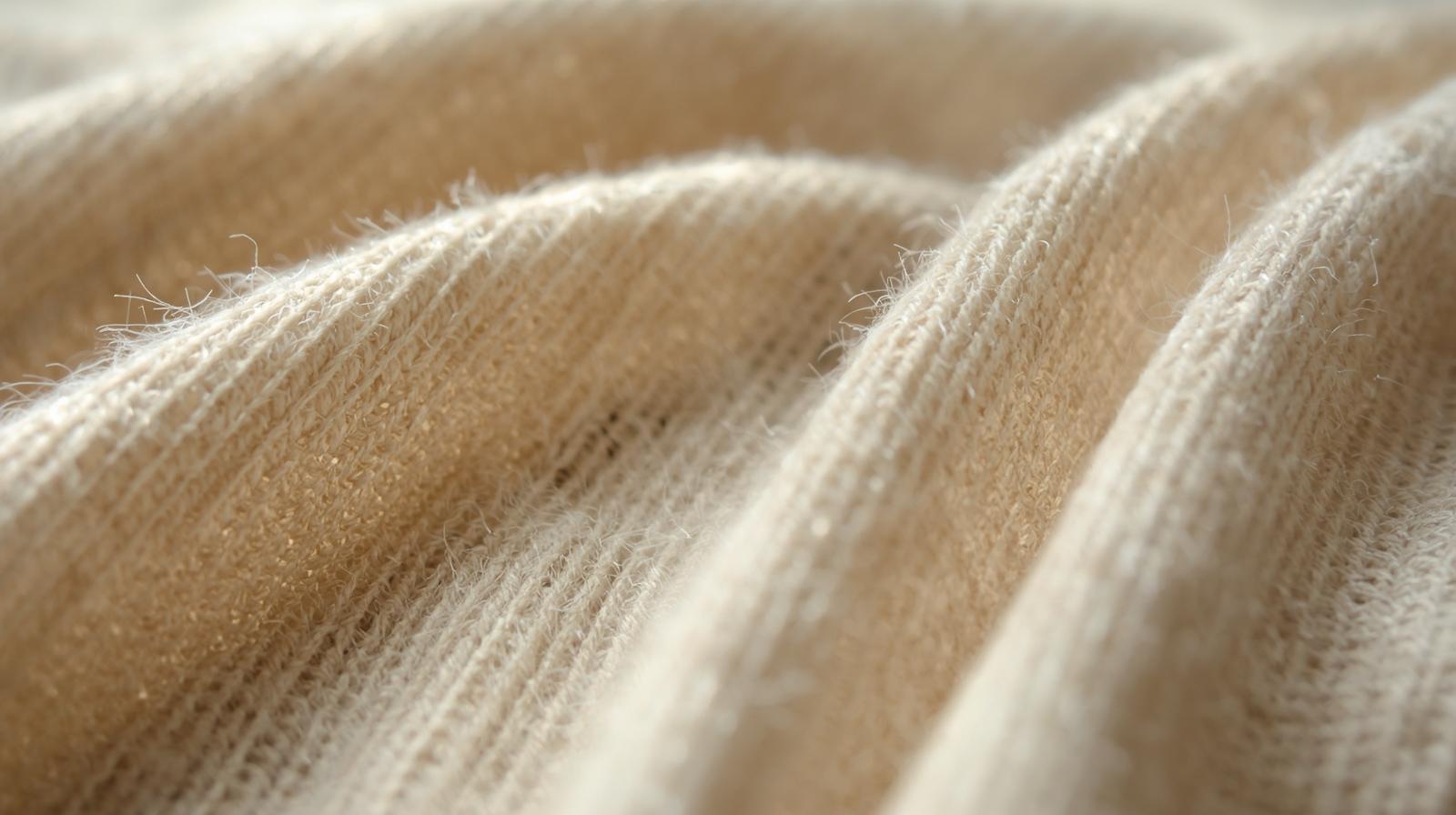
Interlock knit behaves differently from ordinary jersey. Its symmetrical loop architecture locks yarns in opposing directions, creating mechanical balance and natural thickness.
Key technical traits include:
-
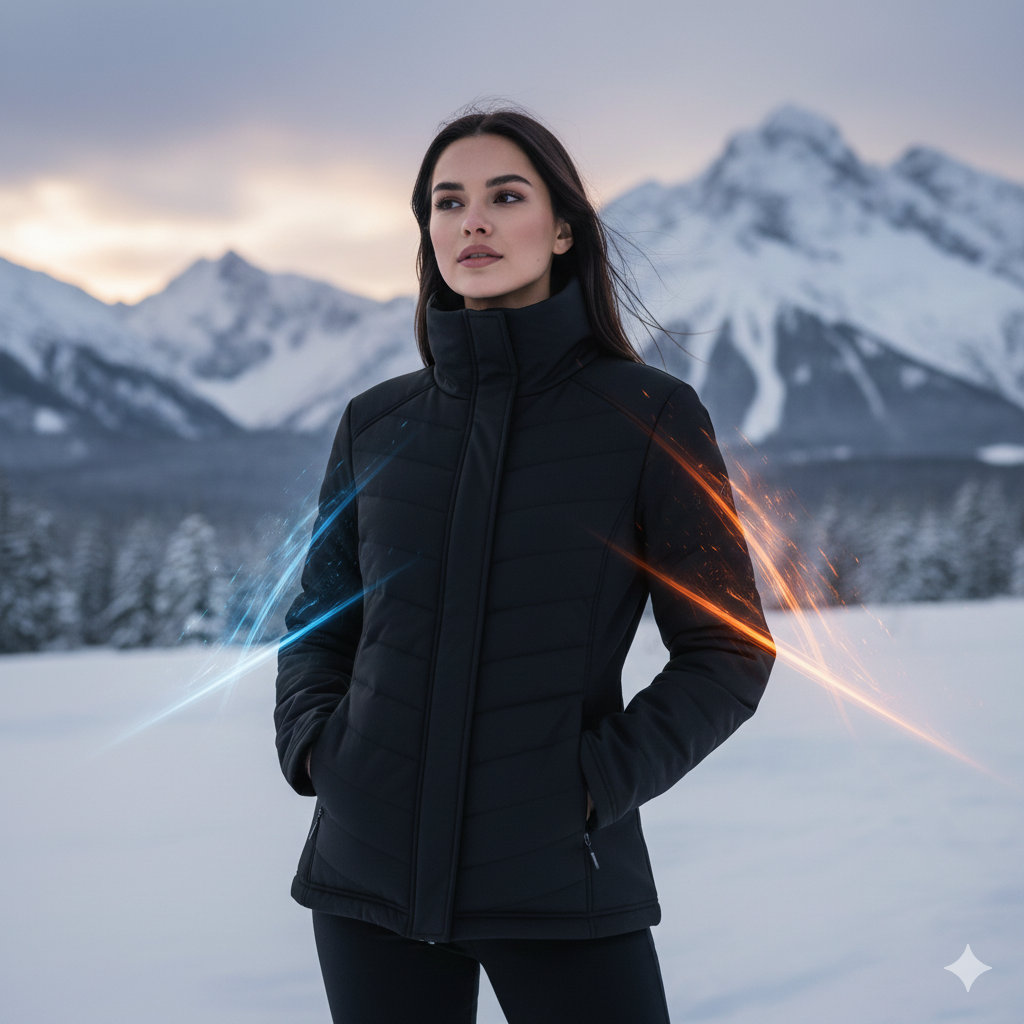
Thermal Retention + Air Trapping: Ideal for autumn and winter outerwear.
-
Pilling Resistance: Dense surface resists abrasion better than plain knits.
-
Elastic Stability: Bidirectional stretch without edge curling.
-
Clean Face Appearance: Both sides identical — efficient for reversible designs.
Laboratory testing under Textile Exchange guidelines shows interlock knit maintains 15–20 % higher dimensional stability after five washes compared with comparable single knits.
Comparing Interlock with Other Outerwear Materials
| Property | Single Jersey Knit | Interlock Fabric | Woven Twill or Canvas |
|---|---|---|---|
| Structure | Soft / Loose | Medium-Firm | Rigid |
| Elasticity | High but unstable | Balanced | Minimal |
| Thermal Performance | Moderate | Excellent | Good |
| Weight Range (g/m²) | 150–200 | 200–400 | 180–350 |
| Typical Use | T-shirts, linings | Jackets, Coats | Outer shells |
The balanced density and comfort of interlock fabric allow designers to merge the look of woven materials with the flexibility of knits — a decisive edge in contemporary apparel development.
Why Manufacturers Choose Succeed Textile Interlock
At Succeed Textile, interlock fabrics are engineered to meet diverse outerwear demands — from mid-weight blazers to bonded winter coats.
Our production system integrates:
-
Precision Knitting Control: Loop density accuracy within ± 1 %.
-
Low-Impact Dyeing: Reduces water usage by 30 %, certified under OEKO-TEX® Standard 100.
-
Custom GSM & Finishing: 200 – 400 g/m² options for different climates.
-
Bonding & Lamination Capability: Adds insulation or water resistance without bulk.
-
Color Consistency: ΔE < 0.8 between lots.
These parameters ensure every meter produced is ready for global apparel compliance and repeat production.
Design Applications in Modern Outerwear
-
Structured Jackets: Shape-holding yet breathable.
-
Travel Coats & Blazers: Wrinkle-resistant comfort for mobility.
-
Casual Zip-Ups & Hoodies: Smooth surface ideal for branding or printing.
-
Hybrid Sports Outerwear: Bonded interlock adds thermal performance without padding.
-
Corporate Uniforms: Clean drape + color uniformity across batches.
Such versatility enables designers to serve multiple market segments using one base fabric technology.
Buyer’s Checklist for Interlock Outerwear Fabric
| Evaluation Aspect | Recommended Specification |
|---|---|
| GSM Range | 240 – 380 g/m² |
| Composition | Polyester/Cotton Blend or Recycled Poly Mix |
| Stretch Recovery | 90–95 % after 5 cycles |
| Shrinkage Rate | < 3 % after washing |
| Certification | OEKO-TEX®, GRS (optional) |
| MOQ | 500 – 800 meters per color |
Procurement teams can use these parameters to streamline sampling, testing, and color matching before bulk orders.
Frequently Asked Questions
Q1: Is interlock fabric suitable for thick winter coats?
Yes — bonded or brushed interlock can deliver excellent thermal insulation while remaining lightweight.
Q2: Can it be laminated with membranes for weatherproofing?
Absolutely. Succeed Textile offers PU and TPU bonding options for wind and moisture control.
Q3: Does interlock fabric stretch out over time?
No. Thanks to balanced loop tension and heat setting, shape retention remains stable throughout garment life.
Q4: What lead time can buyers expect for bulk orders?
Normally 3 – 5 weeks including color approval and quality inspection.
From Precision Knitting to Global Outerwear Excellence
The future of outerwear relies on textiles that perform across climates and lifestyles. Succeed Textile continues to refine interlock technology to balance elegance and endurance — whether for urban fashion brands, uniform manufacturers, or sustainable collections.
By merging advanced knitting control, eco-friendly processing, and rapid OEM support, we empower garment producers to create outerwear lines that stand the test of both seasons and time.
Explore our full interlock and bonded collections on the homepage or reach our technical team via the contact page for custom sampling or specification assistance.