Jersey Fabric for T-Shirts Designed for Fit Stability and Daily Wear Performance
T-Shirts Reveal Fabric Weakness Faster Than Any Other Garment
T-shirts are worn often, washed frequently, and judged immediately.
If a fabric twists, stretches out, pills, or loses hand feel, it does not take months to notice—it takes days.
Unlike outerwear or layered garments, T-shirts sit directly against the skin and rely entirely on the fabric to deliver comfort, fit accuracy and visual consistency. For this reason, jersey fabric for T-shirts is less forgiving than it appears.
At Succeed Textile, jersey fabrics are developed with the understanding that T-shirts are not low-risk products—they are high-exposure garments.
Jersey Fabric Structure and Its Impact on T-Shirt Behavior
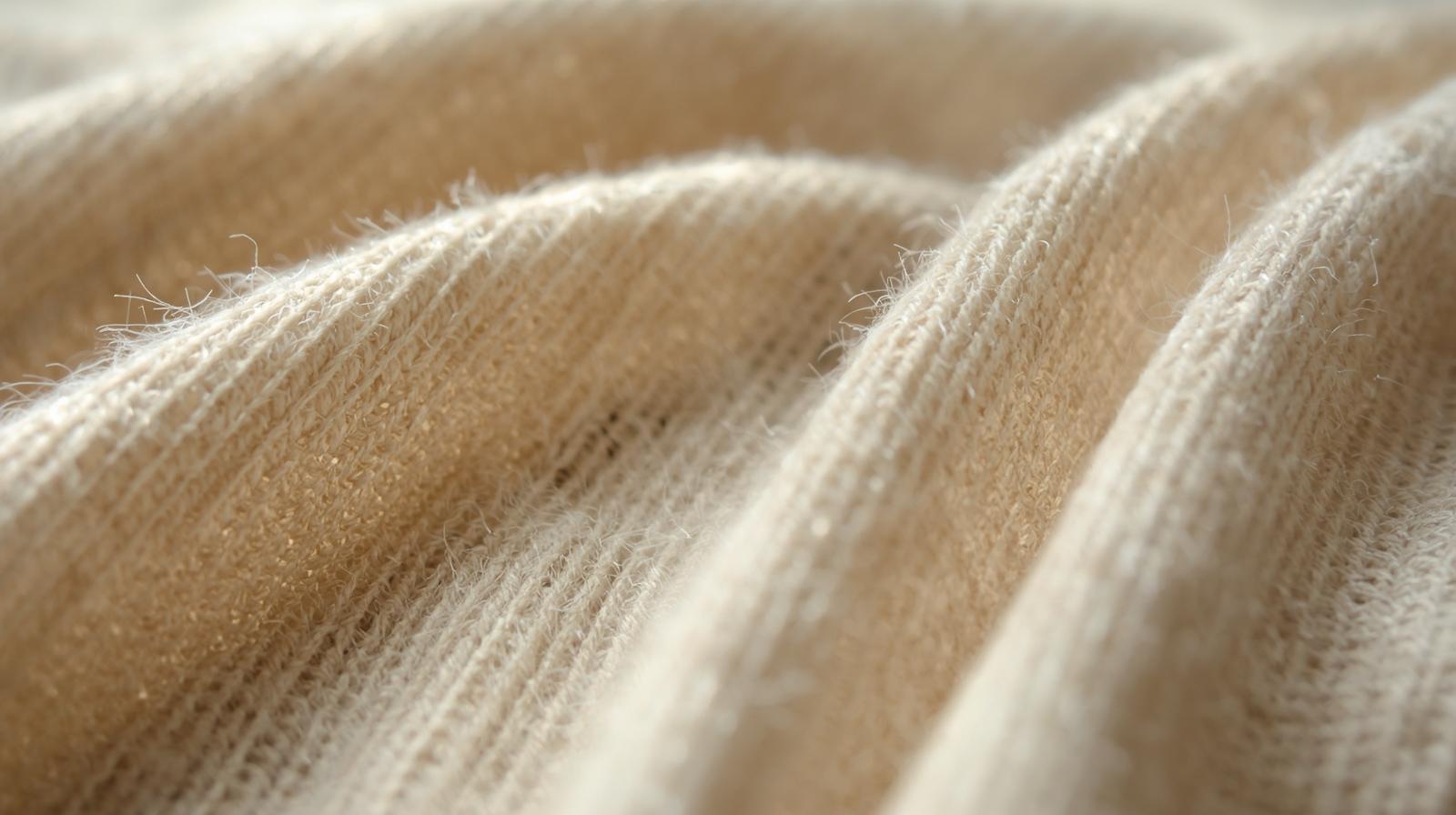
Single jersey construction creates a lightweight, flexible fabric that adapts easily to the body. This flexibility is what makes jersey ideal for T-shirts—but also what introduces risk if not controlled.
Key structural characteristics that influence T-shirt performance include:
-
Loop balance affecting torsion and side seam alignment
-
Yarn tension influencing fabric recovery after wear
-
Surface consistency determining pilling behavior
-
Density controlling opacity and drape
When these elements are not aligned, issues emerge after cutting, sewing, or laundering—often too late to correct.
Comfort Is Expected, Consistency Is What Brands Struggle With
Most buyers focus on softness at the sampling stage.
In production, the real challenge becomes maintaining that feel across thousands of pieces.
Jersey fabrics optimized for T-shirts must manage:
-
Skin contact comfort over long wear periods
-
Breathability during daily activity
-
Stable hand feel after repeated washes
-
Minimal surface degradation
This is why yarn selection and knitting control matter as much as finishing.
Fit Retention Matters More Than Initial Appearance
A T-shirt that looks perfect on day one but loses shape after five washes damages brand trust.
Well-developed jersey fabric for T-shirts supports:
-
Neckline stability without excessive rib reinforcement
-
Controlled width shrinkage to preserve sizing
-
Sleeve and body length recovery after laundering
In practice, brands experience fewer customer complaints when fit stability is engineered at the fabric level rather than corrected through pattern adjustments.
Production Reality: Jersey Fabrics Must Work at Scale
T-shirts are typically produced in high volumes, with narrow cost tolerances and limited room for rework.
At Succeed Textile, jersey fabrics for T-shirts are developed with production flow in mind:
-
Knitting parameters are set to reduce torque and skew
-
Fabric relaxation behavior is evaluated before bulk cutting
-
Width and GSM are stabilized to support efficient marker planning
-
Finishing processes are selected to preserve elasticity and surface integrity
This approach reduces cutting waste and improves size consistency across runs.
Beyond Basic T-Shirts: Where Jersey Fabrics Are Also Applied
While T-shirts are the core application, the same jersey fabric base is often extended into adjacent categories.
Common extensions include:
-
Lightweight tops and undershirts
-
Casual loungewear
-
Sleepwear collections
-
Promotional and uniform T-shirts
-
Layering pieces for seasonal apparel
Using a stable jersey fabric platform allows brands to scale product lines without introducing new material risk.
Selecting Jersey Fabric for T-Shirt Programs
Buyers evaluating jersey fabric for T-shirts should look beyond softness and color range.
Practical evaluation focuses on:
-
Post-wash dimensional behavior
-
Surface performance after abrasion
-
Recovery under repeated stretch
-
Batch-to-batch consistency for repeat orders
These factors determine whether a T-shirt becomes a one-season item or a repeat bestseller.
Common Buyer Questions
Does lighter jersey always feel better for T-shirts?
Not necessarily. Overly light fabrics often sacrifice durability and opacity.
How can twisting after washing be reduced?
Balanced knitting tension and proper fabric relaxation are critical.
Is jersey suitable for premium T-shirts?
Yes, when yarn quality and finishing are aligned with brand positioning.
Can one jersey fabric support multiple styles?
Stable jersey bases are commonly used across several silhouettes.
Jersey Fabrics Built for Real T-Shirt Wear
T-shirts succeed when they feel good on day one and still fit on day thirty.
Jersey fabric for T-shirts must deliver comfort, stability and repeatability—not just visual appeal.
At Succeed Textile, jersey fabrics are developed to support long-term T-shirt programs, helping brands reduce returns, stabilize sizing and build reliable product lines.
Explore our jersey fabric capabilities on the
👉 homepage
or discuss T-shirt fabric specifications and bulk supply through our
👉 contact page