Jersey Fabric Wholesale in China: What Global Buyers Need to Know Before Sourcing
When “Basic” Fabrics Become a Complex Decision
At first glance, jersey fabric looks simple — a soft, stretchy knit used in everything from T-shirts to homewear. But for buyers managing production across continents, sourcing it wholesale can quickly turn unpredictable. GSM deviation, color inconsistencies, uneven shrinkage, and delayed resupply are the silent variables that disrupt downstream garment assembly.
China’s textile sector dominates jersey fabric wholesale supply globally, yet the market’s size also creates a challenge: hundreds of mills with different equipment, quality systems and pricing philosophies. Understanding how jersey fabric is actually produced is the first step to making sound decisions.
The Principle: How Jersey Fabric Gets Its Character
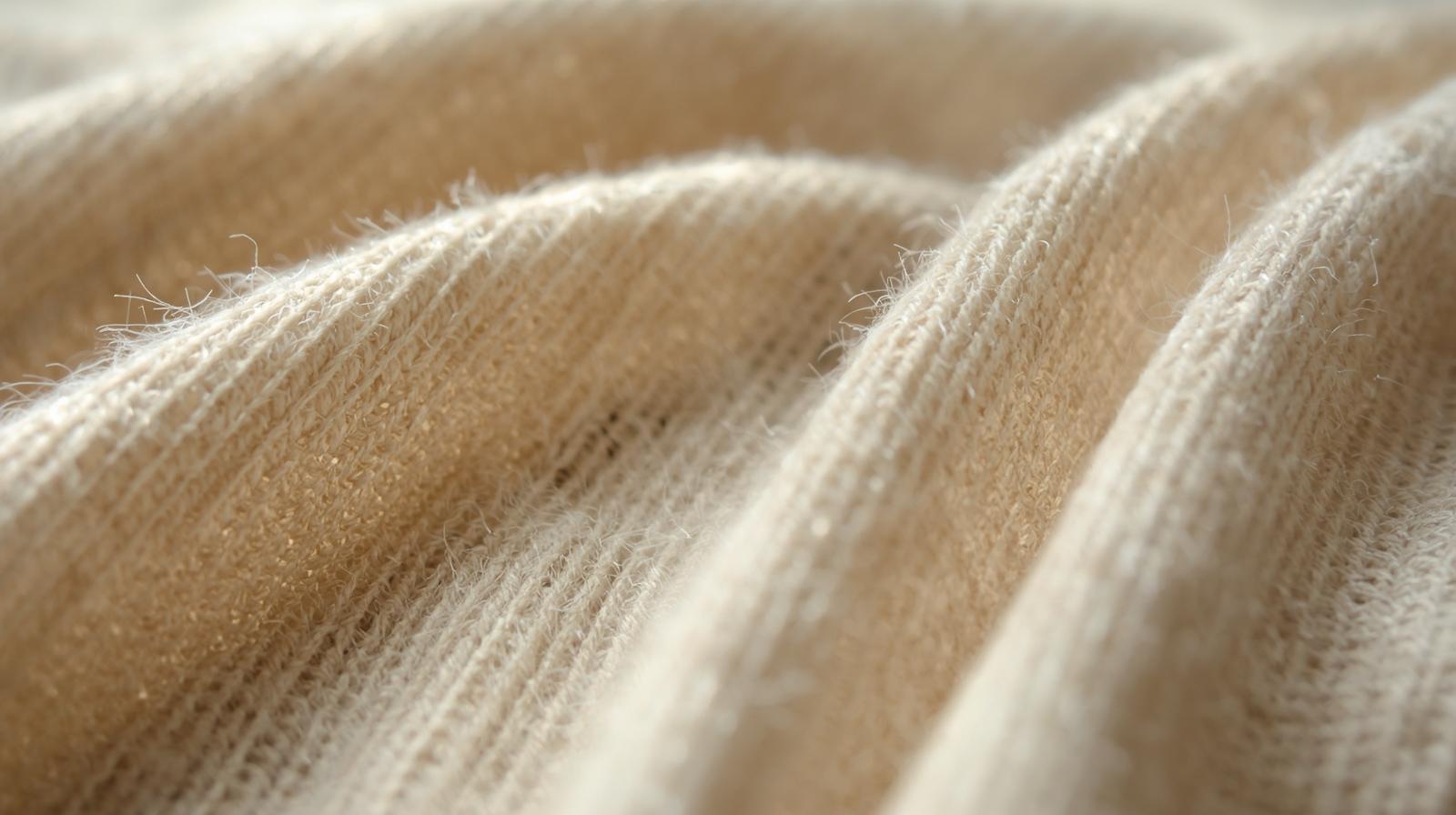
Jersey is a single-knit fabric where one side shows fine loops and the other appears smooth. Its soft handfeel comes from this loop structure, which stretches naturally across the weft. The final performance depends on four key variables:
-
Yarn Type – Combed cotton, polyester blend or modal determines softness and durability.
-
Gauge & Density – Defines weight (GSM) and opacity.
-
Finishing – Brushing, enzyme washing or compact finishing control pilling and shrinkage.
-
Color Treatment – Reactive dyes offer rich tones; pigment printing suits cost-sensitive collections.
Every variable adds or reduces value. The best suppliers are those who disclose these parameters clearly before bulk orders begin.
Comparing Wholesale Models in China
| Criteria | Open Market Traders | Integrated Knitting Mills |
|---|---|---|
| Transparency | Limited data on origin and blend | Full process traceability |
| Sampling Speed | Fast, but non-replicable | Moderate, repeatable |
| Price Stability | Fluctuates with raw cotton | Contract-based pricing |
| After-Sales Support | Minimal | Structured QC response |
| MOQ Flexibility | High, but low control | Customizable based on program |
For buyers building long-term apparel programs, integrated mills often outperform short-term wholesalers despite slightly higher initial costs.
The OEM Angle: Why Wholesale Is Not Always Enough
Bulk availability does not guarantee compatibility with brand requirements. When a supplier offers jersey fabric OEM service, they can customize fiber ratios, stretch levels and finishes to match garment specifications.
For example, a 260 GSM cotton jersey for hoodies requires different loop tightness and compactness than a 180 GSM version for T-shirts. OEM development aligns these details before mass production — minimizing discrepancies that otherwise emerge after washing or sewing.
Advantages of Working with Structured Wholesale Suppliers
-
Predictable Fabric Behavior: Shrinkage and stretch tested under standardized methods (usually ISO 6330).
-
Consistent Color Reproduction: Computerized dye matching reduces lot-to-lot variation.
-
Scalable Supply: Yarn stock management ensures continuity for multi-season collections.
-
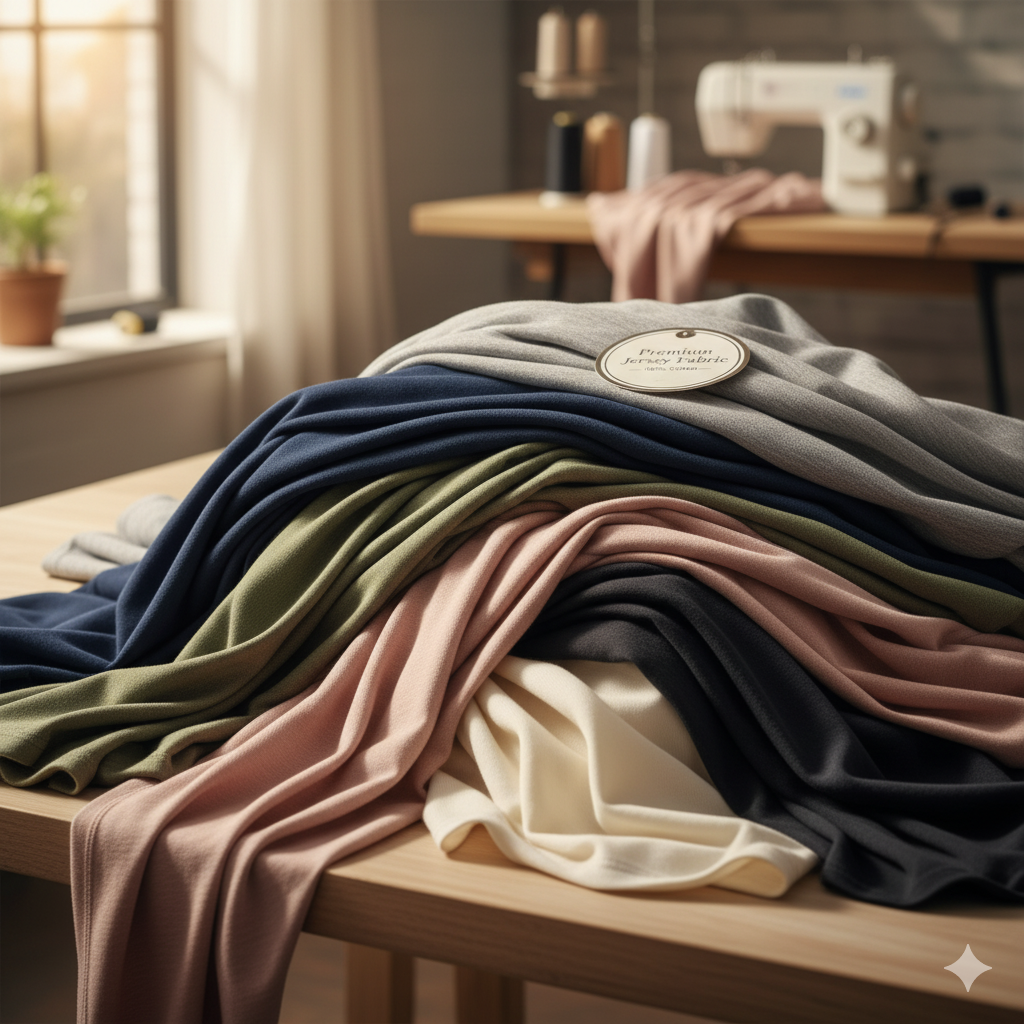
Flexible Customization: Supports different weights (160–320 GSM) and finishes across the same fiber base.
-
Clear Communication: Technical spec sheets and QC data shared before approval — vital for offshore production teams.
These practices allow buyers to focus on design and marketing instead of fire-fighting fabric issues mid-season.
Applications Across Apparel and Home Textiles
| Product Type | Recommended Jersey Variant | Performance Focus |
|---|---|---|
| T-Shirts / Casual Tops | Cotton or Poly-Cotton Jersey | Breathability & Softness |
| Sportswear / Yoga Wear | Spandex Blended Jersey | Stretch Recovery & Moisture Control |
| Hoodies / Sweatshirts | Heavyweight Jersey | Shape Retention & Warmth |
| Baby Apparel | Organic Cotton Jersey | Gentle Touch & Safety Compliance |
| Home Textile Covers | Structured Interlock Jersey | Durability & Smooth Appearance |
How to Evaluate a Jersey Fabric Supplier in China
-
Request Full Spec Disclosure. Ask for fiber composition, knitting gauge and GSM tolerance.
-
Examine Shrinkage and Twisting. Reliable suppliers provide wash-test reports before shipment.
-
Verify Colorfastness. Dye stability under light and sweat is essential for export garments.
-
Inspect Fabric Edges and Selvage. Uneven edges signal tension inconsistency.
-
Assess Communication Speed. Delayed responses during sampling often mirror delays in production.
Performing these checks early prevents most downstream delays and hidden costs.
Frequently Asked Questions
Q1: Is jersey fabric suitable for all climates?
Lightweight jersey (160–180 GSM) works for warm regions; heavier blends (260 GSM and above) fit colder seasons or layering.
Q2: What is the average MOQ for wholesale orders in China?
Most mills start from 500–1000 meters per color; some offer smaller MOQ for solid reorders.
Q3: How can I avoid color variation between lots?
Approve lab-dips and require same-bath production for core colors.
Q4: Are organic or recycled options available for jersey fabric wholesale?
Yes, many suppliers now offer GOTS-certified organic cotton and GRS recycled polyester blends.
Q5: How long is lead time for bulk orders?
Generally 25–30 days after lab-dip and sample approval.
A Balanced View of China’s Jersey Fabric Wholesale Landscape
The wholesale jersey market in China is mature yet uneven — offering both low-cost opportunities and high-precision partnerships. For brands and manufacturers, success comes from understanding what to measure: GSM consistency, tension control, color reproducibility and communication clarity.
The goal is not just to find the cheapest roll, but to secure a fabric source that remains reliable throughout multiple seasons and collections.
For further technical guidance or to explore China’s jersey fabric options in detail, you can visit our homepage or reach out via the contact page for professional consultation.