Knitted Brushed Fabric Built for Softness, Thermal Comfort and Production Stability
Softness That Must Survive Repeated Wear
Many fabrics feel soft at the sampling stage. Far fewer maintain that softness once garments enter real use.
For brushed knits, this gap between initial hand feel and long-term performance is where most problems emerge.
Knitted brushed fabric is selected not only to feel comfortable, but to retain warmth, texture and structure after repeated washing, friction and compression.
When brushing is poorly controlled, fabrics pill quickly, lose loft, or collapse into a flat surface that no longer provides comfort.
At Succeed Textile, brushed knit fabrics are developed with the assumption that garments will be worn often, not occasionally.
How Brushing Changes Knit Fabric Behavior
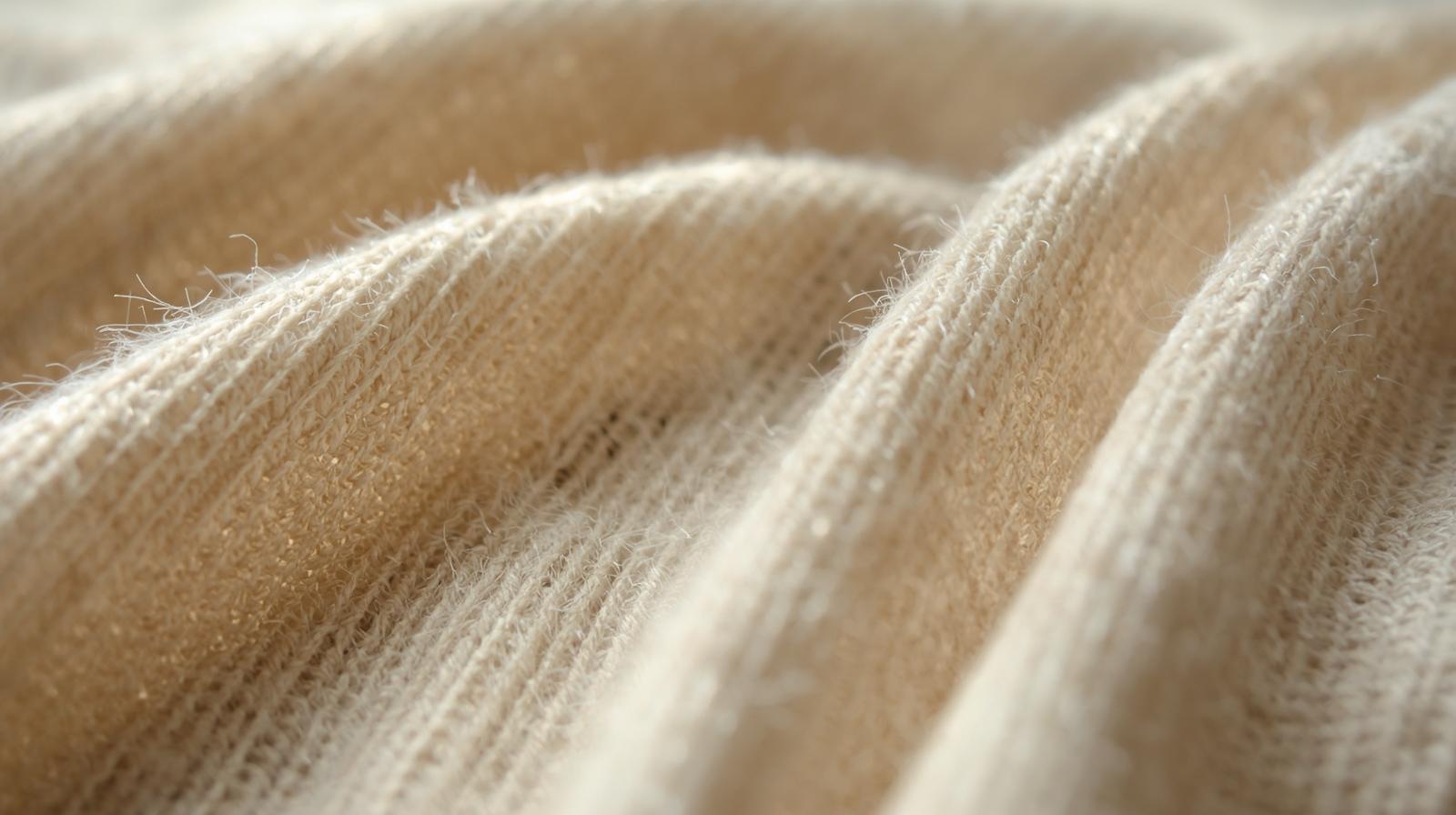
Brushing raises fiber ends from the fabric surface, increasing softness and thermal insulation.
This process, however, also alters fabric mechanics.
Properly executed brushing:
-
Increases air retention near the surface
-
Improves skin-contact comfort
-
Enhances perceived warmth without added weight
Poor brushing, by contrast, weakens surface fibers and accelerates pilling and abrasion.
The challenge is not brushing itself, but how much brushing the knit structure can support.
Knit Structures That Respond Best to Brushing
Not all knit fabrics tolerate brushing equally.
Brushing amplifies any structural weakness already present in the fabric.
Stable structures such as interlock, fleece-backed knits and dense jersey bases tend to perform best because they:
-
Anchor raised fibers more securely
-
Resist surface breakdown under friction
-
Maintain fabric thickness after washing
Loosely knitted fabrics may feel plush initially but degrade quickly in real wear conditions.
Warmth Without Excess Weight
One of the primary reasons buyers choose knitted brushed fabric is thermal comfort.
Unlike heavy fabrics, brushed knits rely on surface loft rather than mass to retain warmth.
This allows garments to:
-
Remain flexible
-
Layer easily
-
Avoid bulky silhouettes
Well-designed brushed knits deliver warmth comparable to heavier fabrics while maintaining a lighter overall feel—an important factor in daily winter wear and loungewear.
Production Stability: Where Brushed Knits Often Fail
Brushed fabrics introduce additional challenges during manufacturing.
Inconsistent brushing can cause variation in thickness, width and surface density.
At Succeed Textile, brushed knit production focuses on control rather than maximum loft:
-
Brushing intensity is calibrated to fabric density
-
Surface fibers are stabilized through finishing
-
Shrinkage is managed before bulk cutting
-
Fabric width is monitored to maintain cutting efficiency
This approach minimizes batch variation and improves sewing consistency.
How Knitted Brushed Fabrics Perform Across Garment Categories
Knitted brushed fabric is widely used in garments where warmth and comfort are primary drivers.
It performs particularly well in:
-
Winter hoodies and sweatshirts
-
Cold-weather loungewear and homewear
-
Layering garments worn close to the skin
-
Casual outerwear with knit construction
-
Comfort-focused uniforms and workwear
In many collections, a single brushed knit base supports multiple silhouettes with minor finishing adjustments.
Longevity: Softness Over Time, Not Just at Launch
A common misconception is that brushing inherently reduces durability.
In reality, durability depends on how brushing interacts with yarn quality and knit density.
Well-engineered brushed knits:
-
Retain surface softness after repeated washing
-
Resist excessive pilling
-
Maintain thickness and warmth
-
Avoid rapid surface flattening
These characteristics are essential for garments expected to last through multiple seasons.
Buyer Questions That Matter Before Approval
Will brushed fabric pill easily?
Pilling risk depends on fiber quality, knit density and brushing control—not brushing alone.
Does brushing reduce fabric strength?
When properly controlled, strength loss is minimal and acceptable for intended use.
Is brushed knit suitable for bulk production?
Yes, when brushing parameters are consistent and shrinkage is stabilized.
Can brushed knits be used beyond winter wear?
Yes. Lightweight brushed knits are often used in transitional seasons and indoor garments.
Brushed Knits Designed for Real-Life Use
Knitted brushed fabric succeeds when softness, warmth and structure remain intact over time.
Its value lies not in first impressions, but in how well it performs after months of wear.
At Succeed Textile, brushed knits are developed for brands that prioritize comfort without sacrificing durability or production reliability.
Explore our brushed knit fabric range on the
👉 homepage
or discuss brushed fabric development and bulk programs via our
👉 contact page