Lightweight Stretch Fabrics Are Exposed Faster Than Heavier Materials
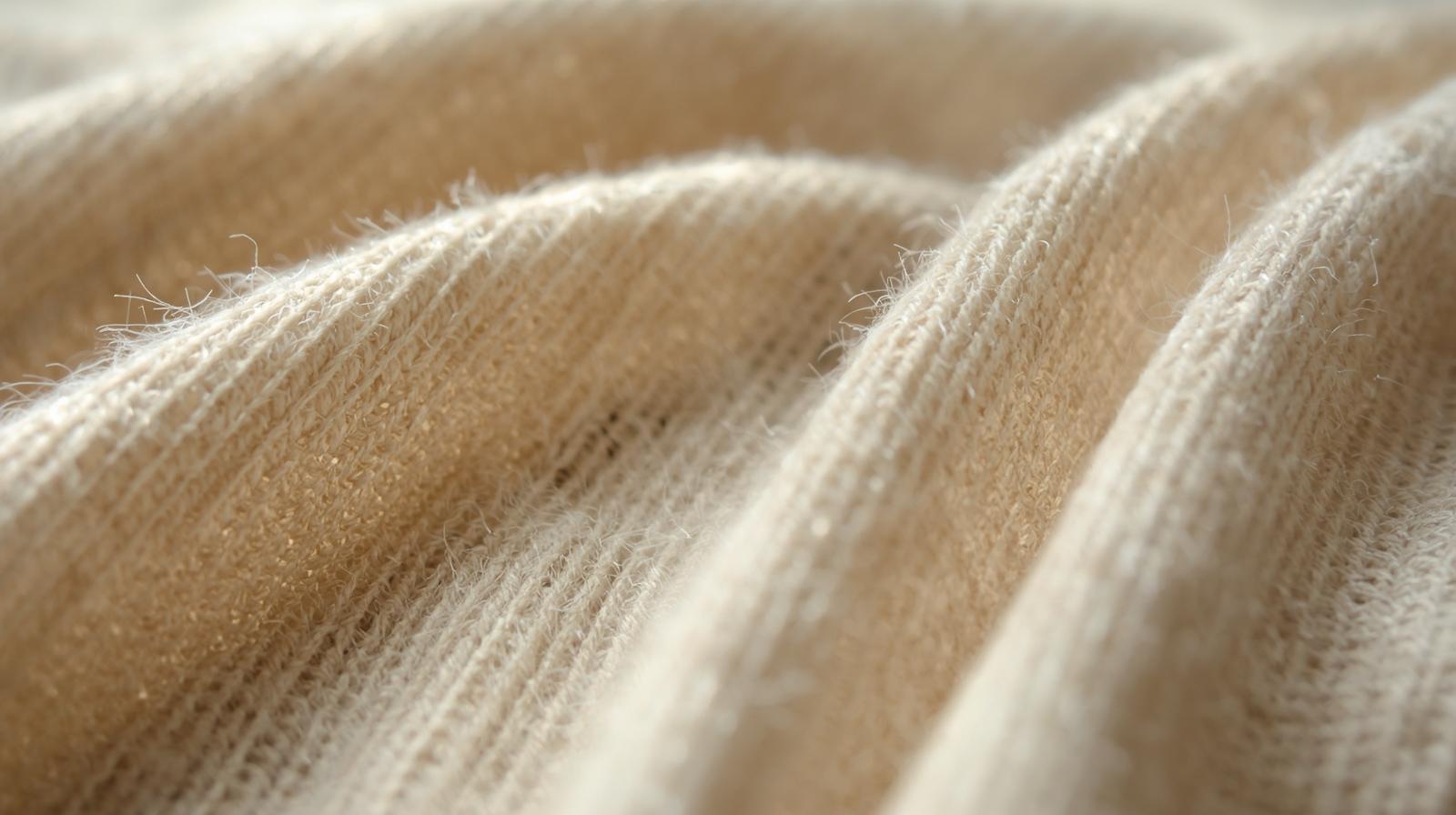
Lightweight stretch garments are worn close to the body and used frequently. They are pulled, washed and dried more often than heavier items, which means fabric weaknesses appear quickly. Problems such as neckline growth, fabric twisting or loss of rebound usually surface within the first few weeks of use.
For brands sourcing lightweight stretch fabric, comfort alone is not enough. The fabric must maintain shape while remaining breathable and flexible. At Succeed Textile, lightweight stretch fabrics are developed around real wear behavior, not just softness at first touch.
Fabric Weight Changes How Stretch Behaves
Reducing fabric weight alters how elasticity is perceived and how recovery functions. Lightweight stretch fabrics react faster to stress but also fatigue faster if the structure is not balanced.
Well-developed lightweight stretch fabrics demonstrate:
-
Controlled elongation without sudden over-extension
-
Quick recovery after short stress cycles
-
Even stretch response across the fabric width
-
Stable behavior during cutting and sewing
When these conditions are not met, garments may feel comfortable initially but lose fit accuracy rapidly.
Comfort Depends on Airflow and Surface Stability
Lightweight stretch fabrics are often selected for warm environments or layering garments. Breathability becomes as important as elasticity. However, open structures can compromise surface stability.
Effective lightweight stretch fabrics balance:
-
Air permeability for temperature comfort
-
Sufficient density to prevent transparency
-
Smooth surface behavior to reduce friction
-
Consistent hand feel after washing
This balance supports garments that feel comfortable throughout the day without degrading visually.
Production Challenges Increase as Fabrics Get Lighter
Lightweight stretch fabrics amplify production risks. Distortion during spreading, cutting and sewing becomes more likely as fabric mass decreases.
At Succeed Textile, lightweight stretch fabric programs focus on:
-
Pre-relaxed fabric delivery to limit movement
-
Stretch tolerance control within defined ranges
-
GSM variation managed within ±4–6%
-
Predictable shrinkage behavior across dye lots
These measures help manufacturers maintain sizing accuracy and reduce waste during bulk production.
Performance Changes Observed Through Wear Cycles
| Performance Indicator | After 5 Washes | After 10 Washes | After 20 Washes |
|---|---|---|---|
| Recovery rate | 96–98% | 92–95% | 86–90% |
| Width growth | ≤2% | 3–4% | 5–7% |
| Surface distortion | Minimal | Moderate | Visible in stress zones |
| Hand feel change | Slight | Noticeable | Clear softening |
These benchmarks are commonly used to evaluate lightweight stretch fabric suitability for repeat production programs.
Buyer Questions from Lightweight Stretch Programs
Q: Do lighter stretch fabrics lose shape faster?
A: Yes, if recovery control is not built into the structure.
Q: Why do lightweight stretch garments twist after washing?
A: Uneven tension and insufficient fabric relaxation often cause torque.
Q: Can lightweight stretch fabrics be used for fitted garments?
A: Yes, when recovery behavior is stable and well controlled.
Q: Are these fabrics limited to summer apparel?
A: They are widely used in base layers, T-shirts, layering tops and casualwear.
Lightweight Stretch Fabrics Designed for Real Production Cycles
Lightweight stretch fabrics succeed when comfort, breathability and fit stability remain consistent across repeated use. A reliable lightweight stretch fabric program helps brands deliver comfort without sacrificing garment lifespan.
At Succeed Textile, lightweight stretch fabrics are developed to support controlled elasticity, predictable recovery and repeatable bulk performance across multiple apparel categories.
Explore our knit fabric capabilities on the
👉 homepage
For bulk sourcing discussions, specification alignment or lightweight stretch fabric planning, connect with our team via the
👉 contact page